Hey there, fellow adventurers! It feels like just yesterday I was struggling with tangled tents and uncomfortable sleeping bags, but oh, how times have changed!
Car camping has exploded, hasn’t it? It’s no longer just about roughing it; it’s become a beautiful blend of nature immersion and surprising comfort, especially with all the incredible gear out there these days.
I’ve spent countless weekends, from the rugged Californian coastlines to the serene forests of the Pacific Northwest, living out of my vehicle, and I’ve learned a thing or two about what truly makes a trip unforgettable (and what you absolutely don’t need taking up precious space!).
With new advancements in portable power, clever storage solutions, and even sustainable gear options, the future of car camping is looking seriously bright, allowing for longer, more comfortable stays in even the most remote locations.
My goal is always to help you discover those game-changing items that elevate your experience from good to absolutely epic, ensuring you spend less time worrying and more time soaking in the adventure.
Trust me, I’ve made all the mistakes so you don’t have to! There’s nothing quite like the freedom of packing up your vehicle and hitting the open road, knowing your home-on-wheels awaits at the end of every scenic drive.
As someone who’s practically lived out of their car for various adventures, I truly understand the thrill – and the occasional headache – of planning the perfect car camping trip.
It’s all about striking that sweet balance between minimalist travel and having all your comforts close at hand. So, how do you make sure your next escape is not just good, but absolutely legendary?
You start with the right gear, and I’m here to share my absolute must-haves that have genuinely transformed my own outdoor excursions. Let’s dive in deeper and ensure you’re perfectly prepped for your next great journey!
Powering Your Outdoor Oasis
Portable Power Stations: Your Go-To for Off-Grid Energy
Oh, the sheer relief of having a fully charged phone or being able to run a small fan on a sweltering night! This, my friends, is where portable power stations shine.
For years, I lugged around clunky deep-cycle batteries, but those days are long gone. Nowadays, compact, powerful lithium-ion units like those from Jackery or Goal Zero are total game-changers.
I remember one trip to Zion National Park where my old car battery died, leaving me without a way to charge my camera. Never again! Now, I always bring my trusty power station.
It keeps my mini-fridge humming, charges all my gadgets, and even powers string lights for that perfect ambiance around the campfire. When choosing one, think about what you’ll be powering.
Do you just need to charge your phone and a headlamp, or are you planning on running a coffee maker and a projector for movie nights under the stars? My personal experience has shown me that investing in a model with at least a 500Wh capacity gives you plenty of wiggle room for a weekend getaway, without worrying about conserving every last watt.
Make sure it has multiple output ports too – USB-A, USB-C, AC outlets – because you’ll inevitably have several things needing a boost at once.
Solar Charging for Extended Stays: Harnessing the Sun’s Bounty
If you’re anything like me and love those longer, week-long excursions into the wild, then solar panels are your next best friend. Pairing a foldable solar panel with your portable power station creates a truly self-sufficient system.
I used to laugh at the idea, picturing huge, rigid panels, but modern flexible panels are incredibly efficient and easy to set up. On my last two-week journey exploring the Arizona desert, my 100W portable solar panel kept my power station topped up daily.
It meant I could work remotely, edit photos, and still enjoy cold drinks without ever starting my engine just for power. It’s such a liberating feeling to know you’re harnessing clean energy, and honestly, the peace of mind knowing you won’t run out of juice is priceless.
Just remember to angle them towards the sun for maximum efficiency – a little adjustment every few hours makes a huge difference.
Sleeping Under the Stars, Comfortably
The Right Mattress Makes All the Difference: Say Goodbye to Lumpy Nights
Let’s be real, a good night’s sleep is non-negotiable, even when you’re camping. I’ve done my fair share of nights tossing and turning on thin foam pads, waking up with aches and pains.
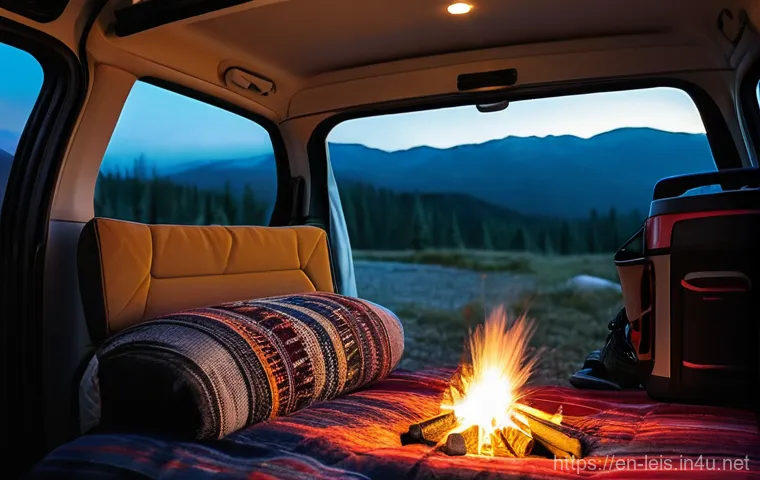
Trust me, it ruins the next day’s adventure. The game-changer for me was investing in a quality inflatable mattress or, even better, a custom-fit memory foam mattress for my vehicle.
Some folks swear by air mattresses, and while they can be comfy, I’ve had too many slow leaks to fully trust them for extended trips. Personally, I upgraded to a trifold memory foam mattress that fits perfectly in the back of my SUV, and it’s like sleeping on a cloud!
Waking up refreshed and ready for a hike or a paddle makes all the difference in the world. Think about the thickness; at least 3-4 inches will give you proper support and insulation from the cold ground or car floor.
Cozy Bedding for Any Climate: Layering for Sweet Dreams
Beyond the mattress, your bedding is crucial. I learned the hard way in the chilly mountains of Colorado that a summer sleeping bag just won’t cut it when temperatures drop unexpectedly overnight.
My trick? Layers! A good quality, temperature-rated sleeping bag is a solid start.
For colder nights, I add a thick fleece blanket or even a down comforter. In warmer weather, a lightweight sheet and a simple blanket are perfect. Always consider a sleeping bag liner too; they add an extra layer of warmth, keep your sleeping bag cleaner, and are easy to wash.
Don’t forget a proper pillow! A small travel pillow works, but I usually just bring my regular pillow from home. It’s a small luxury that makes a huge difference in comfort and truly makes your car feel like a bedroom on wheels.
Culinary Adventures on Wheels
Portable Kitchens and Cooking Gear: Feast in the Wild
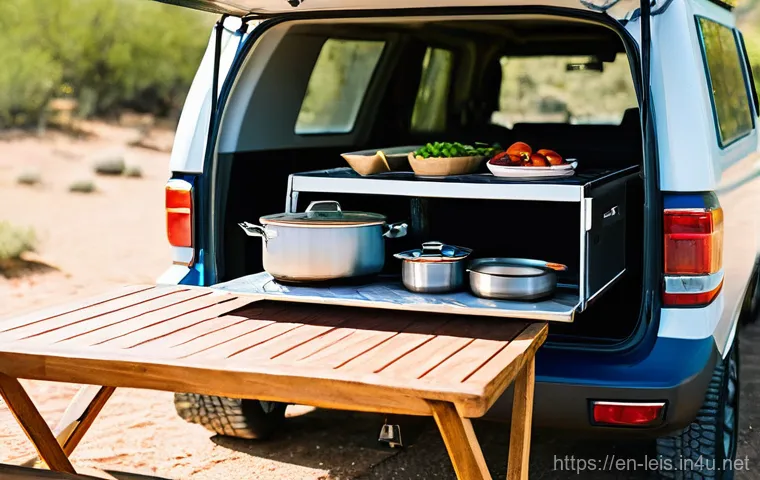
Forget sad sandwiches! Car camping means you can bring your gourmet game to the great outdoors. My personal setup has evolved from a single-burner propane stove to a full-blown two-burner camping stove.
The ability to cook a real meal – eggs and bacon for breakfast, pasta for dinner – seriously elevates the experience. Look for a sturdy, reliable stove that’s easy to clean.
Beyond the stove, consider a comprehensive cook set that nests together to save space. I have a fantastic set that includes pots, pans, plates, and utensils, all designed to fit neatly into one bag.
And don’t skimp on a good cutting board and a sharp knife! Trust me, trying to slice vegetables with a dull butter knife is a special kind of frustration you want to avoid.
Keeping Your Food Fresh: Cooler Wars and Fridge Victories
This is where the debate often begins: cooler or portable fridge? For short trips, a high-quality cooler with good ice retention is perfectly fine. I’ve had great success with rotomolded coolers that keep ice frozen for days, even in scorching summer heat.
However, for longer expeditions, especially if you’re traveling through remote areas or staying put for a while, a 12V portable refrigerator/freezer is an absolute game-changer.
Yes, it’s an investment, but the freedom from constantly buying ice and dealing with soggy food is invaluable. I purchased one a few years ago, and it’s easily one of the best car camping buys I’ve ever made.
Being able to store fresh produce, dairy, and even frozen meals means healthier eating and less waste, and that, my friends, is priceless when you’re out on the road.
Smart Storage Solutions for the Road
Maximizing Space with Clever Organizers: Everything in Its Place
Clutter can quickly turn a peaceful car camping trip into a frustrating mess. I learned this the hard way during a particularly rainy weekend where everything ended up piled in the front seats.
Now, I swear by smart organization. Stackable plastic bins are fantastic for food, kitchen gear, and dry goods. Look for clear ones so you can easily see what’s inside without rummaging.
For clothing and personal items, soft-sided duffel bags or compressible packing cubes work wonders and can be squeezed into odd-shaped spaces. I also use seat-back organizers to keep smaller items like books, headlamps, and charging cables within easy reach.
The key is to have a designated spot for everything so you can quickly find what you need and, more importantly, put it back.
Rooftop Cargo Boxes vs. Interior Solutions: Choosing Your Hauling Strategy
Sometimes, you just need more space, especially if you’re traveling with family or bringing bulky sports equipment. This is where rooftop cargo boxes or even roof racks become incredibly useful.
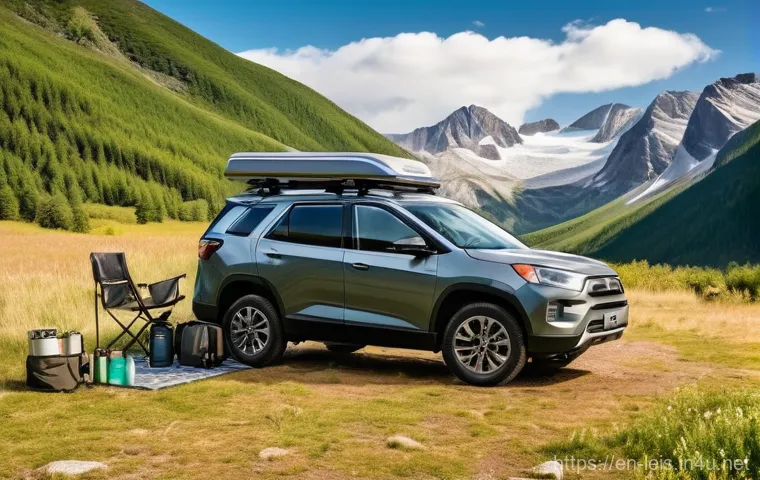
A good quality rooftop box can dramatically increase your carrying capacity, freeing up valuable interior space for sleeping or just spreading out. I personally use a rooftop bag for lighter, bulkier items like sleeping bags and chairs, as it’s more flexible and easier to store when not in use.
However, a hard-shell cargo box offers better security and weather protection, which is crucial for expensive gear. Weigh your options based on your vehicle size, how much gear you have, and how often you’ll be using it.
Remember, heavier items should always be stored low and inside the vehicle for better stability and fuel efficiency.
Staying Connected and Safe
Navigation and Communication Tools: Never Get Lost (or Stranded)
While disconnecting from the digital world is a huge part of the appeal of camping, having reliable navigation and communication tools is absolutely non-negotiable for safety.
Don’t rely solely on your phone’s GPS, especially in remote areas where cell service is spotty or nonexistent. I always download offline maps (Google Maps, Gaia GPS) to my phone and tablet before heading out.
An old-school paper map and a compass are also excellent backups – and a great skill to learn! For communication, a satellite messenger (like a Garmin inReach or Zoleo) offers peace of mind, allowing you to send messages and, most importantly, an SOS signal even without cell service.
I’ve heard too many stories of people getting lost or encountering emergencies without a way to call for help, so this is one area where you absolutely should not cut corners.
Essential Safety Kit: Prepared for Anything
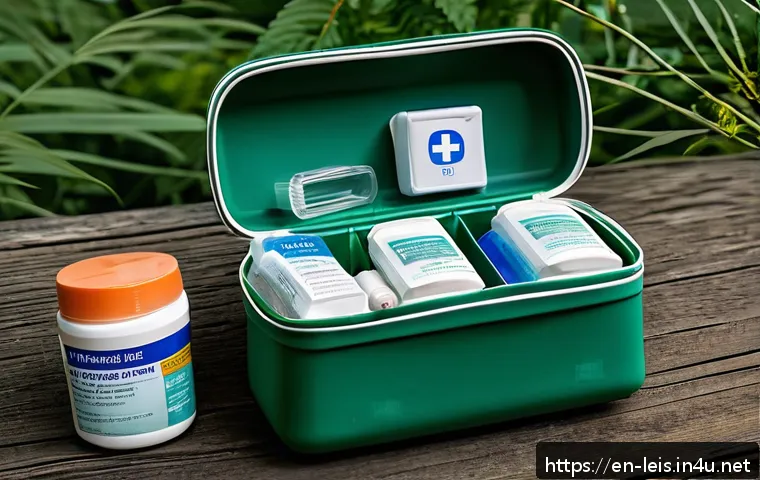
Beyond navigation, a comprehensive safety kit is crucial. Think about what you’d need in various emergency scenarios. My kit always includes a well-stocked first-aid kit (band-aids are great, but also think about wraps, pain relievers, and antiseptic wipes), a fire extinguisher (small but mighty!), a multi-tool, jumper cables, and a tire repair kit.
I also pack emergency blankets, a high-powered flashlight, and an extra power bank just for charging devices in a pinch. It’s all about being prepared, not paranoid.
During one winter trip, I got a flat tire in a freezing cold area, and having all the necessary tools and warm gloves made what could have been a miserable experience manageable.
Regularly check and replenish your kit; you never know when you might need it, and when you do, you’ll be incredibly grateful to have it.
Embracing the Elements: Weather Preparedness
Shelter from the Storm: Beyond Your Vehicle
While your car provides a fantastic primary shelter, having additional protection from the elements can vastly improve your comfort and overall experience.
A good quality car awning or a standalone pop-up canopy can be a lifesaver, providing shade from the scorching sun or a dry spot to cook and relax during unexpected rain showers.
I remember one particular downpour in Oregon where my awning saved our entire campsite from becoming a soggy mess. It allowed us to continue cooking dinner and enjoy our evening without being cooped up inside the car.
Look for options that are easy to set up and take down, and make sure they’re durable enough to withstand wind. A ground tarp is also essential to keep the area around your vehicle clean and dry.
Dressing for Success: Layering for Comfort
The old adage “there’s no bad weather, only bad clothing” holds so much truth when car camping. Even if the forecast looks clear, weather can change rapidly, especially in mountainous or coastal regions.
The key is layering. I always pack a variety of clothing: moisture-wicking base layers, insulating mid-layers (fleece or down), and a waterproof and windproof outer shell.
This allows you to adapt to fluctuating temperatures throughout the day and night. Don’t forget warm socks, a hat, and gloves, even in shoulder seasons.
I once underestimated a “mild” autumn night and spent hours shivering; now, I always overpack on the warm layers. Investing in quick-drying fabrics is also a wise move, as nothing is worse than perpetually damp clothing when you’re trying to enjoy the outdoors.
Sustainable Practices for the Eco-Conscious Camper
Leave No Trace Principles: Protecting Our Playgrounds
As car campers, we have a profound responsibility to protect the beautiful natural spaces we enjoy. Following the “Leave No Trace” principles isn’t just a suggestion; it’s a critical code of conduct.
This means packing out everything you pack in, including all trash, food scraps, and even human and pet waste properly. I always bring a dedicated trash bag (and an extra for recycling) and make sure it’s securely stored until I can dispose of it responsibly.
It also involves sticking to established campsites and trails, minimizing your impact on vegetation and wildlife. I’ve seen firsthand the damage that can be done by irresponsible campers, and it breaks my heart.
Let’s all do our part to keep these incredible places pristine for generations to come.
Eco-Friendly Gear Choices: Investing in a Greener Adventure
The good news is that many outdoor gear manufacturers are increasingly focusing on sustainability, making it easier for us to make eco-conscious choices.
When I’m looking for new gear, I actively seek out brands that use recycled materials, employ ethical manufacturing practices, and have take-back programs.
For instance, my latest sleeping bag is made from recycled plastic bottles, and my cooking fuel is now refillable propane canisters instead of disposable ones.
Small changes can make a big difference. Think about rechargeable batteries instead of disposables, biodegradable soaps and toiletries, and reusable water bottles and coffee cups.
It’s not about perfection, but about making mindful choices that reduce our environmental footprint and ensure our adventures contribute positively to the planet, rather than detracting from it.
Must-Have Gear Checklist: A Quick Reference
Essential Items for a Seamless Car Camping Experience
To make your planning even easier, I’ve put together a quick rundown of some key categories and examples of gear that consistently make my trips more enjoyable.
This isn’t an exhaustive list, but rather a guide to help you focus on the items that offer the most bang for your buck in terms of comfort, convenience, and safety.
Remember, everyone’s ideal setup is a little different, so take this as a starting point and tailor it to your own adventures and vehicle. I’ve personally tried countless gadgets and gizmos, and these are the ones that have truly earned their permanent spot in my car camping kit.
It’s about finding that sweet spot where you have everything you need without overpacking and feeling burdened by too much stuff. Happy camping, everyone!
Key Gear Considerations for Your Next Journey
| Category | Essential Item | Why It’s a Game-Changer |
|---|---|---|
| Power & Light | Portable Power Station | Keeps all your devices charged and runs small appliances. |
| Headlamps/Lanterns | Hands-free lighting for cooking, reading, and moving around camp. | |
| Sleep & Comfort | Comfortable Mattress | Ensures a restful night’s sleep, crucial for enjoying your trip. |
| Warm Sleeping Bag/Bedding | Adapts to various temperatures, keeping you cozy all night. | |
| Kitchen & Food | Two-Burner Camp Stove | Allows for cooking varied and delicious meals outdoors. |
| 12V Portable Fridge/Cooler | Keeps food fresh without the hassle of ice, especially on longer trips. | |
| Safety & Navigation | Offline Maps & GPS Device | Ensures you always know where you are, even without cell service. |
| Comprehensive First-Aid Kit | Preparedness for minor injuries and unexpected emergencies. | |
| Organization | Stackable Storage Bins | Keeps your gear organized and your vehicle clutter-free. |
| Rooftop Cargo Box (Optional) | Adds significant storage for bulkier items, freeing up interior space. |
Concluding Thoughts
Well, fellow adventurers, we’ve covered a lot of ground today, haven’t we? From ensuring you’re powered up and sleeping soundly to whipping up delicious meals and staying safe on the road, car camping truly offers an incredible blend of comfort and wild exploration. I genuinely hope that sharing my own experiences and a few hard-earned lessons has sparked some inspiration for your next journey. There’s an undeniable magic in waking up to a new view every morning, with the scent of pine or the sound of waves just outside your window. It’s about disconnecting from the daily grind and reconnecting with yourself, your loved ones, and the breathtaking beauty of the natural world.
Remember, the best trips often aren’t about having the fanciest gear, but about being prepared, adaptable, and open to whatever the road throws your way. I’ve had some of my most memorable moments during unexpected detours or while figuring things out on the fly. So, pack your bags, fire up your engines, and embrace the freedom that car camping brings. There’s a whole world out there waiting to be discovered, one comfortable, well-fed, and well-rested adventure at a time. Go make some incredible memories!
Useful Tips for Your Next Adventure
1. Always double-check your vehicle’s condition before hitting the road. A quick oil check, tire pressure inspection, and topping off fluids can save you a huge headache down the line. Trust me, a breakdown in a remote area is no fun!
2. Pack a varied wardrobe. Even in summer, mountain evenings can get surprisingly chilly, and a waterproof layer is your best friend against unexpected showers. Layers are always the answer!
3. Plan your meals strategically. Pre-chopping vegetables or having some ready-to-heat options can drastically reduce cooking time and cleanup at your campsite, giving you more time to relax.
4. Invest in a good quality headlamp or lantern. Navigating your campsite in the dark or finding something in your car at night is infinitely easier when you have hands-free illumination.
5. Share your itinerary with someone back home. Let them know your general route and expected return date, especially if you’re heading to areas with limited cell service. It’s a simple safety measure that offers great peace of mind.
Key Takeaways
At the heart of a fantastic car camping experience lies thoughtful preparation and a spirit of adventure. We’ve explored how a robust portable power station can keep your essentials running, and a comfortable sleeping setup can truly transform your nights under the stars. Embracing a well-equipped portable kitchen means you don’t have to compromise on delicious meals, and smart storage solutions ensure your space remains functional and clutter-free. Most importantly, prioritizing safety with reliable navigation and a comprehensive emergency kit, alongside respecting nature through Leave No Trace principles, ensures every journey is not only enjoyable but also responsible. It’s all about finding that perfect balance between the comforts of home and the thrilling call of the wild, creating unforgettable memories with every mile.
Frequently Asked Questions (FAQ) 📖
Q: What are the absolute game-changing gear items I really need for an epic car camping trip, not just the stuff that sounds cool but you never use?
A: Oh, this is such a fantastic question, and one I get asked all the time! After countless trips, I’ve really narrowed down what truly makes a difference.
For me, the absolute game-changers come down to three categories: power, sleep, and smart storage. First up, portable power is non-negotiable. Forget those tiny power banks; I’m talking about a proper portable power station.
The kind that can run a small fridge, charge all your devices, and even power a coffee maker in the morning. I remember one trip up in the Sierras where my regular cooler just wasn’t cutting it, and having a powered fridge meant fresh food for days, no ice runs needed!
It seriously extends your stay and makes those remote spots feel a lot more comfortable. Second, a truly comfortable sleeping setup is paramount. You might think “it’s just car camping,” but trust me, waking up refreshed changes everything.
I’ve tried air mattresses, foam pads, and everything in between. My go-to now is a custom-fit memory foam mattress or a high-quality self-inflating pad designed for vehicles.
Pair that with a cozy sleeping bag or a real duvet, and you’ll be snoozing like you’re in your own bed. I used to cheap out on this, and the sore backs taught me a valuable lesson – invest in your sleep, your adventurous spirit will thank you!
Finally, smart storage solutions are a lifesaver. Think stackable bins, roof-top cargo boxes, and those brilliant seat-back organizers. Clutter can completely ruin the chill vibe of a campsite.
I once spent an hour looking for my headlamp in a chaotic car at dusk – never again! Having a designated spot for everything, from cooking essentials to recovery gear, not only saves time but also keeps your space feeling open and airy.
These aren’t just “cool” items; they’re the bedrock of a truly enjoyable and stress-free car camping experience.
Q: How do you strike that perfect balance between packing light and still having all the comforts of home when you’re out there in your car? I always feel like I’m either overpacking or forgetting something crucial!
A: You’ve hit on the quintessential car camping dilemma, haven’t you? It’s a dance, really, between wanting all the cozy comforts and not wanting your car to look like a yard sale exploded inside it.
My personal philosophy has evolved quite a bit. I used to be the person who brought ‘just in case’ items for every conceivable scenario, only to find myself swimming in gear I never touched.
Now, I swear by multi-functional items and a ruthless prioritization process. Think about it: does that extra pillow really add more comfort than the space it takes up?
Could your camp towel double as a blanket? I’ve found that investing in versatile gear, like a sturdy cooler that also serves as a bench, or a portable stove that can handle multiple types of cooking, makes a huge difference.
When I’m packing, I mentally walk through my entire day at the campsite: “Wake up, make coffee (do I have all I need?), eat breakfast (what cooking gear?), explore (what clothes, shoes?), relax (where will I sit?), make dinner (same cooking questions), sleep (what bedding?).” This ‘day-in-the-life’ mental checklist helps me visualize actual usage and avoids those ‘oh, I forgot’ moments.
Another trick I picked up is to only bring items I know I’ll use at least twice, or that are absolutely essential for safety. For comforts, I allow myself one or two ‘luxury’ items per trip – maybe my favorite French press, or a really plush camp chair.
It’s about being intentional. Don’t just pack; curate! This approach transformed my trips from feeling cramped and disorganized to spacious and genuinely relaxing.
You’ll find your sweet spot, it just takes a few trips to figure out what you truly value on the road.
Q: You mentioned making all the mistakes so we don’t have to – so, spill! What are some of those common car camping blunders you’ve seen (or made yourself!) and how can we totally avoid them?
A: Oh, honey, if only I had a dollar for every car camping blunder I’ve witnessed, or worse, personally committed! Let’s just say my learning curve was more of a roller coaster.
But hey, that’s how we grow, right? One of the biggest mistakes I see, and this was definitely me at the beginning, is underestimating the importance of a solid light source.
I’m talking beyond your phone flashlight! I once found myself trying to cook dinner in pitch darkness after my tiny headlamp died. It was hilarious in hindsight, but utterly frustrating at the time.
Always pack multiple light sources – a good headlamp, a powerful lantern for camp, and maybe even some string lights for ambiance. Charge them up, and bring extra batteries!
Another huge blunder is neglecting proper food storage. Critters, my friends, are everywhere and they are smart. Leaving food out or in flimsy bags is just an open invitation.
I learned this the hard way when a family of raccoons basically had a picnic with my granola bars right outside my car. Now, I always use sturdy, airtight containers and a bear-resistant cooler if I’m in bear country.
And never, ever leave food scraps around your campsite. Pack it in, pack it out, and keep everything secured! And finally, something that countless beginners (and sometimes even seasoned campers, I’m guilty!) overlook is campsite selection.
Don’t just pull over anywhere that looks pretty! Check for level ground to avoid sleeping on a slope – trust me, you’ll be rolling all night. Also, consider wind direction and potential water runoff if rain is forecast.
A little scouting before you commit to a spot can save you from a very uncomfortable night. I once set up camp under a tree that turned out to be a bird sanctuary – let’s just say my car needed a serious wash the next morning!
Learning from these little mishaps is part of the adventure, but avoiding them makes for a much smoother, more enjoyable trip!