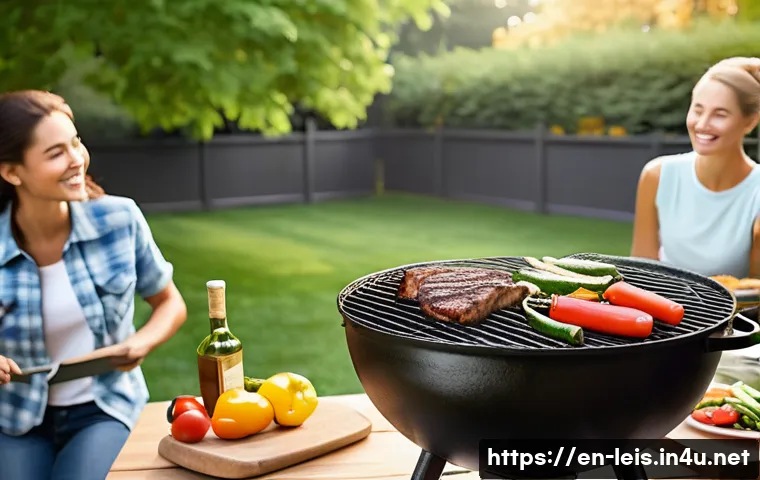
Choosing the perfect barbecue grill can truly transform your outdoor cooking experience. With so many options available—from gas and charcoal to electric and pellet grills—it’s easy to feel overwhelmed.
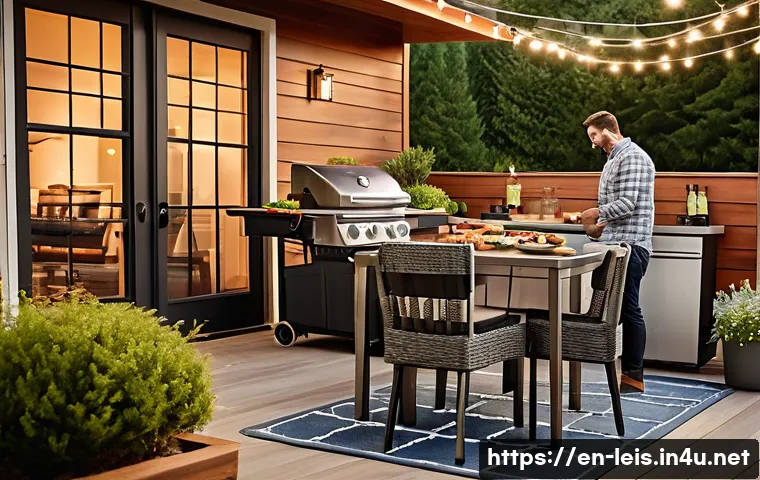
Factors like fuel type, size, and additional features all play a big role in finding a grill that matches your lifestyle and cooking style. Whether you’re a weekend warrior or a backyard party pro, picking the right grill ensures delicious meals and memorable gatherings.
Let’s dive into the key tips and insights that will help you make an informed decision. Read on, and we’ll break it down clearly for you!
Understanding Different Grill Fuel Types
Charcoal Grills: Classic Flavor with a Learning Curve
Charcoal grills are often hailed as the go-to for authentic barbecue flavor. When I first started using one, I was amazed at how the smoky aroma elevates the taste of everything from ribs to veggies.
However, charcoal grills require patience—you need to master lighting the coals and controlling the heat. Unlike gas grills that offer instant ignition, charcoal demands a bit of attention and time to reach the perfect cooking temperature.
But once you get the hang of it, the searing and smoky depth you achieve are truly unmatched. Plus, the cost of charcoal grills is usually budget-friendly, making them an excellent choice for beginners who want that traditional BBQ vibe without breaking the bank.
Gas Grills: Convenience Meets Consistency
If you’re someone who values quick setup and steady heat control, gas grills are a fantastic option. I remember hosting a last-minute cookout where the gas grill saved the day—just a turn of the knob, and we were grilling in minutes.
Propane or natural gas fuels provide clean, even heat, making it easier to maintain consistent cooking temperatures. This is great for grilling everything evenly without worrying about flare-ups or ash cleanup.
The downside? Some purists say you lose a bit of that smoky flavor, but with the right wood chip smoker box, you can mimic the effect. Gas grills often come with extra features like side burners and warming racks, which add versatility for preparing sides or sauces simultaneously.
Electric and Pellet Grills: The Modern, Low-Maintenance Approach
Electric grills are perfect if you live in an apartment or a place where open flames are restricted. I’ve found them super convenient for quick meals, especially on weekdays when time is tight.
They don’t impart much smokiness, but you get reliable heat without the mess. Pellet grills, on the other hand, combine the best of both worlds by using wood pellets to generate smoke and heat.
I’ve used pellet grills for weekend gatherings, and the smoky flavor is impressive while maintaining precise temperature control through digital settings.
They’re pricier but ideal if you want an easy-to-use grill that delivers complex flavors without the fuss of charcoal.
Choosing the Right Size and Cooking Area
Assessing Your Typical Crowd Size
One of the biggest mistakes I’ve seen people make is buying a grill that’s either too small or unnecessarily huge. Think about how many people you typically cook for.
If you’re usually grilling for two to four people, a compact grill with around 300-400 square inches of cooking space is perfect. It heats quickly and won’t waste fuel.
But if you often entertain larger groups or host weekend BBQ parties, investing in a grill with 600+ square inches of cooking area will save you time by cooking multiple items at once.
Remember, it’s not just about surface area but also about how many burners or cooking zones the grill offers.
Portability Considerations for Different Lifestyles
If you love tailgating, camping, or simply want a grill you can move around the yard, portability becomes a major factor. Portable grills tend to be smaller and lighter, but they often sacrifice cooking space or power.
I took a portable gas grill on a recent camping trip, and it was a game-changer for quick meals on the go. On the flip side, if your grill is mostly stationary on a patio or deck, heavier and more robust models with wheels for occasional repositioning are better.
This way, you get stability, durability, and enough cooking surface without worrying about moving it too often.
Balancing Size and Storage Space
Another practical aspect to consider is where you’ll store your grill when not in use. If you live in an apartment with limited balcony space, a compact or foldable grill is a lifesaver.
On the other hand, large backyard grills require dedicated spots and possibly covers to protect them from the elements. I’ve noticed that grills with built-in storage cabinets or shelves help keep tools and accessories handy, which is a huge plus when you’re juggling multiple dishes.
Take stock of your storage options before making your final pick to avoid hassles later.
Exploring Additional Features and Accessories
Side Burners and Multi-Functionality
Side burners are an underrated feature that I personally love. They allow you to cook side dishes, sauces, or even boil water without firing up a separate stove.
During a family cookout, I found the side burner invaluable for preparing sautéed veggies while the main grill handled steaks and burgers. If you enjoy experimenting with different recipes outdoors, look for grills that include this feature.
Some models even offer rotisserie kits, smoker boxes, or searing stations, which add a professional touch to your BBQ skills.
Temperature Control and Thermometers
Precise temperature control can make or break your grilling experience. Gas grills usually come with adjustable knobs for each burner, which makes managing heat zones easier.
Charcoal grills often rely on adjustable vents, which can take some practice to master. I always recommend getting a grill with a built-in thermometer or investing in a good wireless meat thermometer.
That way, you can monitor your food’s internal temperature without lifting the lid constantly, preserving heat and moisture. This small detail has made a huge difference in my cooking consistency.
Ease of Cleaning and Maintenance
Let’s face it—cleaning a grill isn’t anyone’s favorite chore. But some grills are definitely easier to clean than others. Gas grills typically have removable drip trays and grease management systems, which simplify cleanup.
Charcoal grills require ash removal, which can be messy if you don’t have a proper tray or container. Pellet grills often have automated ash removal systems, but they still need periodic cleaning to prevent pellet jams.
I’ve learned that choosing a grill with easy-to-remove grates and accessible parts saves time and keeps your grill in top shape longer.
Comparing Grill Types: Quick Reference Table
| Grill Type | Fuel Source | Flavor Profile | Ease of Use | Typical Price Range | Best For |
|---|---|---|---|---|---|
| Charcoal Grill | Charcoal briquettes or lump charcoal | Strong smoky, traditional BBQ flavor | Moderate; requires skill for heat control | $50 – $300 | BBQ enthusiasts who enjoy hands-on cooking |
| Gas Grill | Propane or natural gas | Milder, less smoky but can add wood chips | Easy; instant ignition and adjustable heat | $150 – $1500+ | Convenience seekers and frequent grillers |
| Electric Grill | Electricity | Minimal smokiness | Very easy; plug-and-play operation | $100 – $400 | Apartment dwellers and indoor grilling |
| Pellet Grill | Wood pellets | Rich smoky flavor with digital control | Easy; automated temperature control | $500 – $2000+ | Tech-savvy users wanting versatility and flavor |
Material Matters: Durability and Heat Retention
Stainless Steel: Longevity and Style
I’ve had grills with stainless steel bodies, and the durability is impressive. Stainless steel resists rust and corrosion, which is crucial if your grill stays outside year-round.
It also looks sleek and modern, which adds a nice aesthetic to any patio setup. Heat retention is decent, although not as high as cast iron. If you live in humid or rainy climates, investing in a stainless steel grill can save you from early wear and tear.
Just remember to clean it regularly to maintain its shine.
Cast Iron: Superior Heat Retention but Requires Care
Cast iron grates are fantastic for those perfect sear marks and even heat distribution. When I first grilled on cast iron, the steaks came out beautifully caramelized.
However, cast iron requires seasoning and careful cleaning to prevent rusting. It’s heavier and may need extra maintenance, but the cooking results make it worth the effort.
Some high-end grills combine cast iron grates with stainless steel bodies to balance durability and performance.
Porcelain-Coated Grates: Easy Maintenance
Porcelain-coated grates are designed to resist rust and are easier to clean compared to bare metal. I found these grates especially helpful when cooking delicate foods like fish or vegetables, as the coating prevents sticking.
The downside is that the coating can chip if handled roughly, which reduces its effectiveness. If you prefer low-maintenance grilling and don’t mind occasional replacement, porcelain-coated grates are a solid choice.
Budgeting Wisely: Getting the Best Value
Balancing Features and Price
When shopping for a grill, I learned that the most expensive model isn’t always the best fit. It’s about what features matter most to you. For example, if you rarely grill more than a couple of times a month, a basic charcoal or small gas grill might be all you need.
On the other hand, if you entertain frequently or want advanced features like digital controls or multi-zone cooking, spending more upfront can save frustration later.
It’s a good idea to list your must-haves and compare prices across brands to find a sweet spot.

Considering Long-Term Costs
Don’t forget ongoing expenses like fuel, accessories, and maintenance. Charcoal costs add up over time, while gas grills require propane refills or natural gas hookups.
Pellet grills need wood pellets, which can be pricier than other fuels. Additionally, replacement parts, covers, and cleaning tools contribute to the overall cost.
I’ve found that investing in quality accessories early on improves my grilling experience and extends the lifespan of my equipment, which ultimately feels more economical.
Where to Find Deals and Warranties
I always keep an eye on seasonal sales, especially around Memorial Day, Fourth of July, and Labor Day, when grills often go on discount. Buying from reputable retailers or directly from manufacturers can provide warranty benefits and customer support.
Extended warranties might seem like an extra expense, but they offer peace of mind if any parts malfunction. Reading user reviews and checking return policies before buying ensures you get a grill that fits your needs without surprises.
Maintenance Tips for a Long-Lasting Grill
Regular Cleaning Routines
After every grilling session, I make it a habit to brush the grates while they’re still warm. This prevents food buildup and rust. Deep cleaning with soap and water once a season keeps grease and grime from accumulating in hard-to-reach areas.
For gas grills, checking burners and ignition systems regularly avoids flare-ups and uneven heating. Keeping a grill cover on when not in use protects it from weather damage and prolongs its life.
Seasonal Checks and Repairs
Before the grilling season starts, I inspect hoses, valves, and connections on gas grills to ensure safety. Charcoal grills benefit from a thorough ash removal and vent cleaning.
Pellet grills require occasional pellet hopper cleaning to avoid jams. Catching small issues early prevents costly repairs and keeps your grill performing at its best.
I also recommend lubricating wheels and hinges to maintain smooth operation.
Storing Your Grill Properly
If you live in an area with harsh winters, consider storing your grill indoors or in a sheltered spot. Removing fuel sources like propane tanks and covering the grill with a weatherproof cover reduces rust risk.
Even during off-seasons, giving your grill a quick wipe down every few weeks helps prevent dust and moisture buildup. Proper storage shows respect for your investment and ensures it’s ready to fire up when the next barbecue calls.
Safety Considerations for Stress-Free Grilling
Proper Placement and Ventilation
Safety starts with where you place your grill. Always keep it on a flat, stable surface away from flammable materials like wooden decks, dry grass, or overhanging branches.
I’ve learned the hard way that good airflow around the grill reduces fire hazards and improves combustion. For gas grills, make sure the area is well ventilated to avoid gas buildup.
Never use charcoal or gas grills indoors or in enclosed spaces—carbon monoxide is a silent danger.
Handling Fuel and Flames Safely
When dealing with propane tanks, check for leaks by applying soapy water to connections and watching for bubbles. Always turn off the gas supply when the grill is not in use.
For charcoal, use proper lighting methods such as chimney starters rather than lighter fluid, which can cause flare-ups. I keep a fire extinguisher or a bucket of sand nearby during grilling sessions—better safe than sorry!
Teaching family members basic grill safety also helps keep everyone relaxed and secure.
Monitoring Food Temperatures to Avoid Illness
Food safety is a big deal, especially when grilling meat and poultry. Using a reliable meat thermometer ensures food is cooked to safe internal temperatures, preventing foodborne illnesses.
I always double-check thicker cuts like chicken breasts and roasts. Resting meat after grilling also helps juices redistribute and finishes off the cooking process.
Keeping raw and cooked food separate and washing hands frequently during preparation rounds out good grilling hygiene.
Personalizing Your Grill Experience
Customizing with Accessories
Once I settled on my grill, I started experimenting with accessories like grill mats, smoker boxes, and pizza stones. These add-ons extend what you can do beyond traditional grilling.
For example, smoker boxes allow you to infuse different wood flavors, while pizza stones let you bake crisp, outdoor pizzas. Having a set of quality grill tools—tongs, spatulas, and basting brushes—makes handling food easier and safer.
Personalizing your setup adds fun and creativity to your cooking.
Trying Different Cooking Techniques
Grilling isn’t just about burgers and hot dogs. I’ve enjoyed trying indirect cooking, smoking, and even baking on my grill. Pellet grills make smoking particularly straightforward, while gas grills excel at searing.
Learning these techniques takes practice but opens up a whole new world of flavors and textures. Watching videos or joining local BBQ clubs can provide inspiration and tips.
The more you experiment, the more confident and adventurous you’ll become.
Sharing Your Passion with Friends and Family
Finally, the best part of owning a great grill is the memories made around it. Whether you’re hosting a casual weekend get-together or a big celebration, sharing food cooked outdoors brings people together like nothing else.
I’ve found that having the right grill helps reduce stress and lets me focus on enjoying the moment with loved ones. So, don’t be afraid to invite neighbors or try new recipes—your perfect grill is a gateway to countless delicious and joyful experiences.
글을 마치며
Choosing the right grill involves balancing your cooking style, space, and budget to create enjoyable outdoor meals. Whether you prefer the smoky charm of charcoal or the convenience of gas, understanding the features and maintenance helps ensure a satisfying grilling experience. Remember, the best grill is the one that fits your lifestyle and sparks your passion for cooking. So fire it up, experiment with flavors, and savor those memorable moments with family and friends.
알아두면 쓸모 있는 정보
1. Charcoal grills offer unmatched smoky flavors but require practice to control heat effectively. Patience is key for mastering this classic style.
2. Gas grills provide quick ignition and steady temperatures, making them ideal for busy schedules and consistent results.
3. Pellet grills combine convenience and flavor with digital controls, perfect for those who want tech-savvy grilling without the hassle.
4. Regular grill maintenance, including cleaning and seasonal checks, extends your grill’s lifespan and keeps cooking safe.
5. Investing in quality accessories like thermometers and smoker boxes can elevate your grilling and make cooking easier and more enjoyable.
중요 사항 정리
When selecting a grill, prioritize your typical cooking needs and space to avoid overspending or underutilizing your equipment. Understand fuel types and how they impact flavor and convenience, and don’t overlook safety measures like proper placement and fuel handling. Regular maintenance and cleaning are essential for performance and longevity. Finally, personalize your grill setup with accessories and techniques that inspire creativity and enhance your outdoor cooking experience.
Frequently Asked Questions (FAQ) 📖
Q: What are the main differences between gas, charcoal, electric, and pellet grills, and how do I choose the right one for me?
A: Each grill type offers a unique cooking experience. Gas grills heat up quickly and provide easy temperature control, making them perfect for busy weeknights or casual cooks.
Charcoal grills deliver that classic smoky flavor, but they require more time and skill to manage the fire, ideal if you enjoy the ritual of grilling.
Electric grills are convenient for small spaces or apartments where open flames aren’t allowed, though they might lack that traditional smoky taste. Pellet grills combine the convenience of gas with the flavor of wood smoke, great for those who want versatility and consistent heat.
Think about your lifestyle—how much time you want to spend grilling, where you’ll use it, and the flavor profile you prefer—to find the best fit.
Q: How important is grill size and cooking area when selecting a barbecue grill?
A: Grill size matters a lot, especially depending on how many people you usually cook for. If you’re just feeding a small family or a couple of friends, a compact grill with a smaller cooking surface will do the job and save space.
But if you’re the go-to host for big backyard parties or like to cook multiple items at once, opting for a larger grill with multiple burners or cooking zones is a game-changer.
I’ve personally found that having extra space to grill different foods simultaneously cuts down cooking time and keeps everyone happy. Also, consider storage and portability—if you plan to move your grill often or have limited patio space, size becomes even more critical.
Q: What additional features should I look for in a grill to make outdoor cooking easier and more enjoyable?
A: Beyond the basics, features like built-in thermometers, side burners, and storage shelves can significantly enhance your grilling experience. A reliable thermometer helps you nail the perfect doneness without guesswork, which I’ve learned is a real confidence booster.
Side burners are fantastic for preparing sauces or sides without heading back inside. Also, look for grills with easy-to-clean components and durable materials like stainless steel to save time on maintenance.
Some grills even offer smart technology with app controls or temperature probes, which might be worth it if you love tech-savvy cooking. Ultimately, these extras aren’t just about convenience—they can make your outdoor cooking sessions smoother and way more fun.