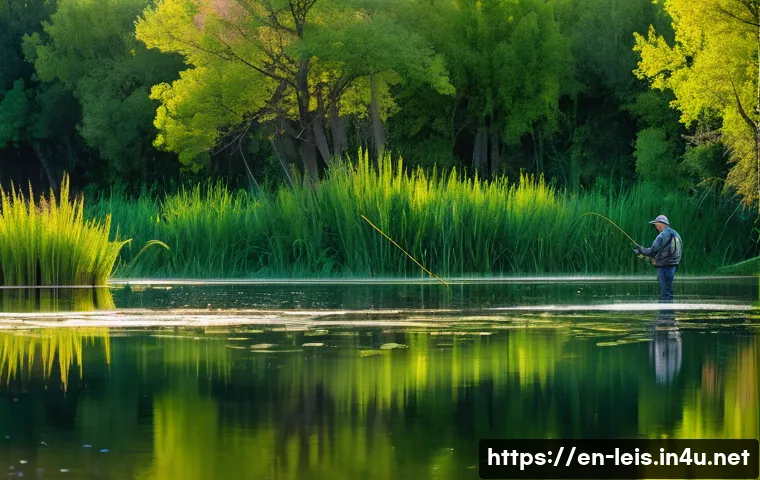
As outdoor adventures continue to surge in popularity, finding the perfect camping spot has never been more exciting—or essential. Whether you’re craving serene lakeside views, rugged mountain trails, or starlit desert skies, the US offers a treasure trove of unforgettable destinations.
With travel trends shifting towards nature and wellness, now is the ideal time to reconnect with the great outdoors. In this guide, I’ll share some of the top must-visit camping spots that promise not only breathtaking scenery but also unique experiences you won’t want to miss.
So, pack your gear and get ready to explore the best camping adventures the country has to offer!
Immersive Forest Retreats for Nature Lovers
Exploring Dense Woodlands and Hidden Trails
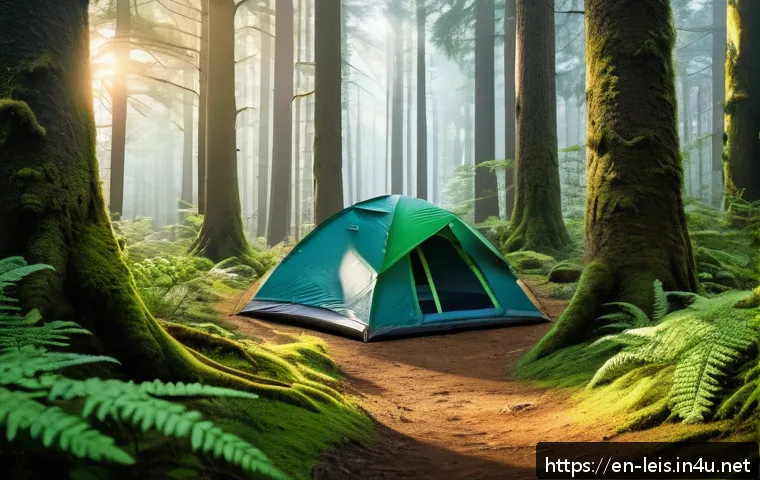
If you’re someone who finds peace in the quiet rustle of leaves and the scent of pine, camping in forest retreats offers an unmatched experience. These spots often feature dense canopies, providing a natural shelter that cools the air during summer and adds a mystical vibe when fog rolls in.
I remember hiking a secluded trail last fall where the sunlight barely touched the forest floor, making the moss and ferns glow with an emerald sheen.
It’s these moments of pure immersion in nature that make forest camping so special. Many of these sites also have well-marked trails that range from gentle walks to challenging treks, ideal for every level of adventurer.
Wildlife Encounters and Quiet Evenings
One of the best parts about camping in forested areas is the chance to witness wildlife in their natural habitat. From deer quietly grazing at dusk to owls hooting under the moonlight, these encounters add a layer of magic to the experience.
While I was camping in a remote forest area, I woke up to the soft calls of woodpeckers and the rustling of squirrels—a natural alarm clock that beats any digital device.
Remember, it’s important to respect the wildlife and keep a safe distance, but don’t be surprised if you spot a curious fox or a family of raccoons nearby.
Campfire Stories and Starry Nights
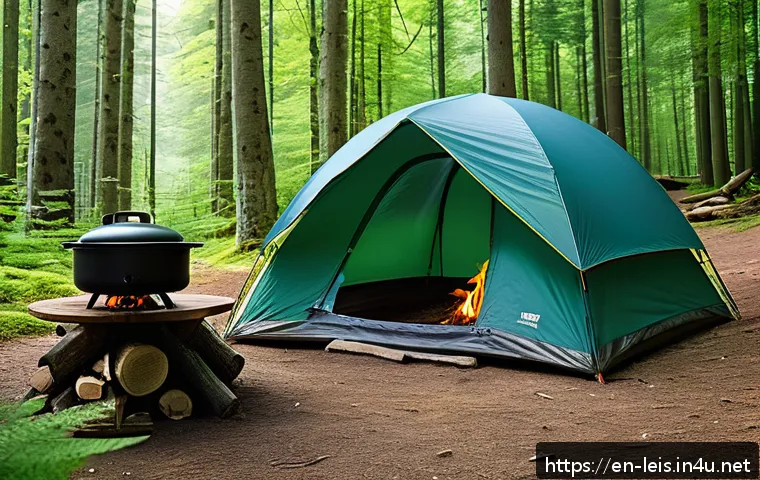
Evenings in the forest are perfect for gathering around a campfire. The crackling fire, combined with the chorus of night insects, creates a cozy and intimate atmosphere.
I’ve spent countless nights sharing stories and roasting marshmallows while the stars peeked through gaps in the tree canopy. Unlike open plains, forests can sometimes limit star visibility, but the trade-off is the enveloping quiet and the feeling of being truly disconnected from the hustle of everyday life.
Coastal Camping: Beaches and Ocean Breezes
Setting Up Camp with Waves as Your Soundtrack
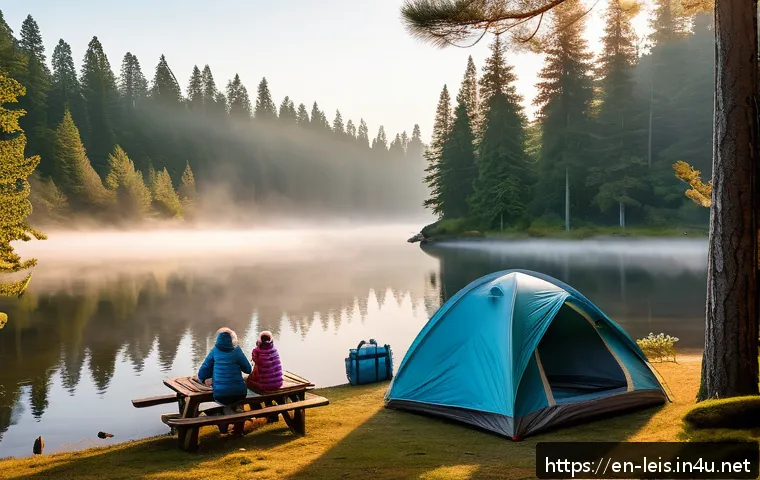
Camping along the coast offers a unique sensory experience—salt air, crashing waves, and endless horizons. Coastal campsites often allow you to fall asleep to the rhythmic sound of the ocean and wake up to spectacular sunrises.
From personal experience, I found that beach camping requires a bit more preparation: securing your tent against wind and packing extra layers for cooler nights.
Still, the reward is incomparable. Imagine sipping your morning coffee while watching dolphins breach just offshore or strolling along tide pools filled with vibrant sea creatures.
Activities That Make Coastal Camping Unforgettable
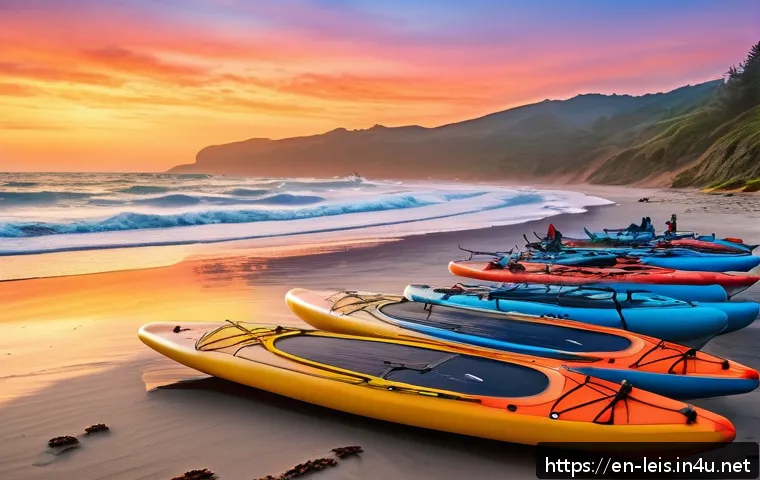
Besides the obvious beach lounging and swimming, coastal campsites provide opportunities for kayaking, fishing, and even nighttime beachcombing. One time, I tried paddleboarding at dawn and witnessed a school of fish darting beneath the surface, which was breathtaking.
At night, low tides reveal fascinating marine life such as starfish and crabs, making for an exciting, educational walk. Many coastal campgrounds also have nearby hiking trails along cliffs or dunes, offering panoramic views that are perfect for photography enthusiasts.
Essential Tips for a Smooth Coastal Experience
The coastal environment can be unpredictable—high tides, sudden weather changes, and salty air all demand some extra care. Make sure to check tide schedules, secure your gear, and use sand stakes for your tent.
Also, be mindful of local regulations, especially regarding campfires, as some beaches have restrictions to protect wildlife. Packing biodegradable sunscreen and insect repellent helps you stay comfortable while minimizing environmental impact.
Mountain Escapes for Thrill Seekers and Serenity Seekers
Finding Balance Between Adventure and Relaxation
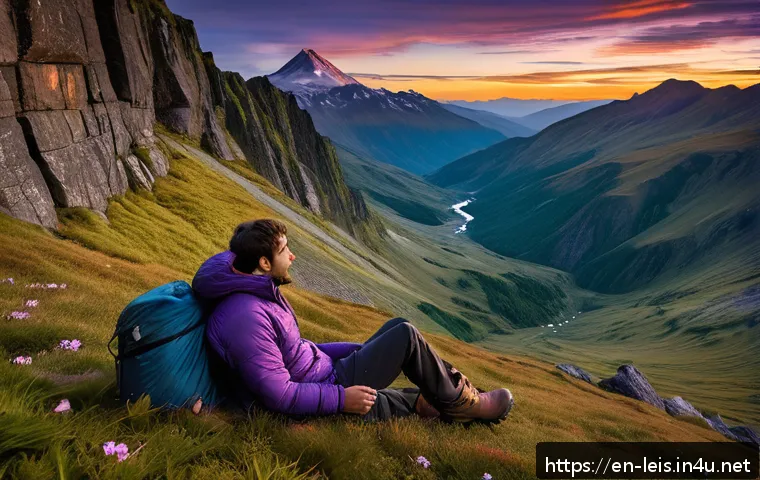
Mountains offer a dynamic camping experience that caters to both adrenaline junkies and those seeking tranquility. High elevations come with cooler temperatures and panoramic views that feel like you’re on top of the world.
I vividly recall pitching my tent on a ridge and watching clouds drift beneath me like an endless ocean. It was humbling and exhilarating at the same time.
Mountains are perfect for hikers, climbers, and photographers, but they also provide quiet spots for meditation and star gazing, away from city lights.
Challenging Trails and Hidden Waterfalls
Mountain camping often means access to some of the most rewarding trails. Whether you’re tackling a multi-day backpacking trip or a shorter day hike, the terrain varies dramatically—from steep rock faces to lush valleys.
On one trip, I discovered a hidden waterfall after a tough ascent, and it became the perfect place to cool off and recharge. These natural gems are often less crowded, so planning and navigation skills are crucial.
Remember to pack appropriate gear and allow plenty of time to explore safely.
Weather Considerations and Safety Precautions
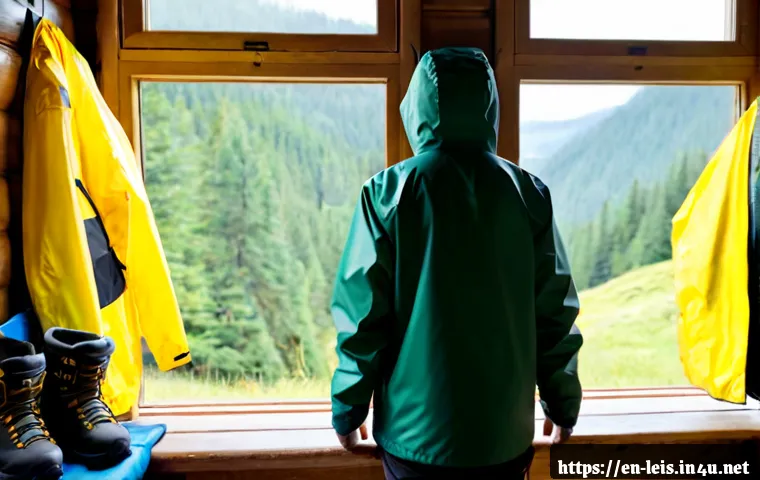
Mountain weather can change rapidly, bringing sudden rain, wind, or even snow depending on the season. When I camped in the Rockies, a sunny afternoon turned into a chilly evening with gusty winds, reminding me how important layered clothing and waterproof gear are.
Altitude sickness is another factor to consider, especially if you’re not used to higher elevations. Staying hydrated, pacing your activities, and listening to your body are key.
It’s also wise to inform someone about your itinerary and carry a reliable communication device.
Desert Camping: Embracing the Stark Beauty of Arid Landscapes
Sunrises and Sunsets Like No Other
Desert camping might seem harsh at first glance, but it offers some of the most striking natural beauty you’ll ever witness. The vast open skies make sunrises and sunsets absolutely spectacular, painting the horizon with fiery hues.
I remember waking up early in a desert campsite to watch the sun slowly rise over the dunes, casting long shadows and turning the sand golden. The quietness of the desert at dawn is profound—almost spiritual.
It’s a unique place to slow down and appreciate the vastness of the world.
Adaptations for Extreme Temperatures
Camping in the desert requires careful planning due to the extreme temperature swings—scorching heat during the day and surprisingly cold nights. From personal experience, I’ve learned to bring plenty of water, wear sun-protective clothing, and set up camp in shaded areas when possible.
A good quality sleeping bag designed for cold temperatures is essential for overnight comfort. Additionally, desert wildlife such as snakes and scorpions demand vigilance, so setting up a clean campsite and checking your gear before use is a must.
Exploring Unique Flora and Fauna
The desert is home to some fascinating plants and animals adapted to survive in tough conditions. Cacti in various shapes and sizes dot the landscape, and if you’re lucky, you might spot a roadrunner or hear the distant call of a coyote.
I once stumbled upon a blooming desert wildflower patch after rare rainfall, which felt like a hidden treasure. Nighttime offers a chance to spot nocturnal creatures and enjoy the clearest star-filled skies, making desert camping an unforgettable sensory journey.
Family-Friendly Campgrounds with Comfort and Convenience
Balancing Outdoor Fun with Accessibility
For families, finding a campground that offers both adventure and comfort is key. Many popular family-friendly sites come equipped with amenities like clean restrooms, picnic tables, and even playgrounds.
When camping with kids, I’ve found it crucial to pick locations with easy access to water sources and safe hiking trails. These spots allow little ones to explore nature without straying too far or facing overly rugged terrain.
The sense of safety combined with outdoor excitement keeps everyone happy and engaged.
Activities That Engage All Ages
Family campgrounds often feature a variety of activities designed to entertain and educate. From ranger-led programs to fishing ponds, there’s something for everyone.
On a recent trip, my niece and nephew loved a nature scavenger hunt organized by campground staff, which sparked their curiosity and got them moving. Campfire sing-alongs and storytelling sessions also create memorable bonding experiences.
Planning a mix of structured activities and free play ensures that the whole family enjoys their time outdoors.
Gear and Meal Planning Tips for Families
Camping with family means packing smart and preparing meals that satisfy picky eaters while being easy to cook. I always recommend bringing a portable stove, reusable containers, and simple recipes like foil packet dinners or pre-made sandwiches.
Don’t forget extra layers and rain gear, especially with kids who can get cold or wet quickly. Having a checklist and involving kids in packing can make the process smoother and more fun.
Above all, flexibility and patience go a long way in creating a positive camping experience.
Essential Camping Gear for a Seamless Adventure
Prioritizing Comfort and Functionality
Choosing the right gear can make or break your camping trip. From my own trials and errors, investing in a high-quality tent with easy setup and good ventilation is a game changer.
Sleeping pads and bags tailored to the climate help you get restful sleep, which is crucial for enjoying your days outdoors. I’ve found that packing multi-use items, like a headlamp that doubles as a lantern, saves space and weight in my backpack.
Comfort doesn’t mean luxury, but thoughtful gear selection ensures you’re prepared for whatever nature throws at you.
Safety and Navigation Tools
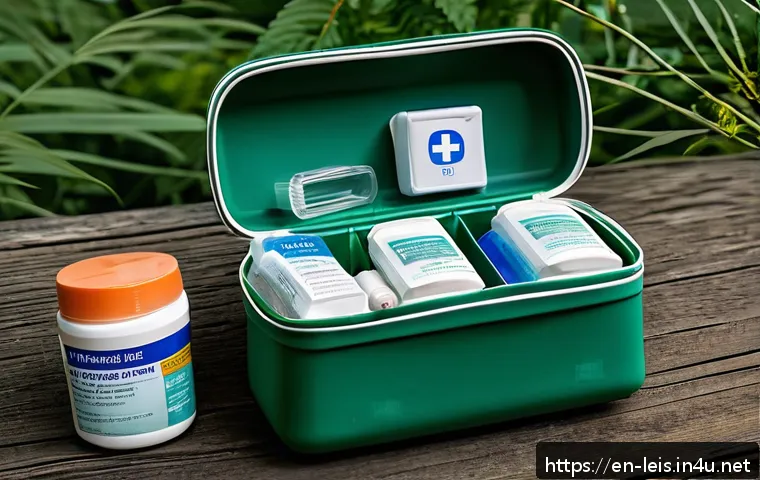
Safety should always be top of mind. Along with the usual first-aid kit, I carry a multi-tool, fire starters, and a whistle for emergencies. GPS devices or smartphone apps with offline maps have saved me on more than one occasion when trails weren’t clearly marked.
It’s also wise to bring physical maps and a compass as backups. Before heading out, I always share my plans with someone reliable and check the weather forecast to avoid surprises.
Being prepared reduces stress and increases confidence on the trail.
Eco-Friendly Camping Practices
Respecting nature means minimizing your impact. I make it a point to follow Leave No Trace principles, such as packing out all trash, using biodegradable soaps, and avoiding disturbance to wildlife.
Opting for reusable water bottles and utensils cuts down on waste. Many campgrounds now encourage or require eco-friendly gear, like solar-powered chargers or composting toilets.
Not only does this protect the environment, but it also enhances the overall experience, knowing you’re preserving these beautiful places for future adventurers.
| Camping Type | Key Features | Recommended Gear | Best Season | Unique Experience |
|---|---|---|---|---|
| Forest Retreats | Dense trees, wildlife, shaded trails | Tent with good ventilation, insect repellent, hiking boots | Spring to Fall | Wildlife sightings and campfire storytelling |
| Coastal Camping | Ocean views, beach access, tide pools | Sand stakes, sun protection, kayak or paddleboard gear | Late Spring to Early Fall | Sunrise over the ocean and night beachcombing |
| Mountain Escapes | High elevation, panoramic views, rugged trails | Layered clothing, sturdy hiking boots, GPS | Summer and Early Fall | Hidden waterfalls and star gazing |
| Desert Camping | Arid landscapes, extreme temperature swings, unique flora | Sun protection, plenty of water, warm sleeping bag | Fall to Spring | Stunning sunrises and clear night skies |
| Family-Friendly | Amenities, safe trails, organized activities | Portable stove, kid-friendly gear, rain protection | Spring to Fall | Scavenger hunts and campfire sing-alongs |
In Conclusion
Camping offers a unique way to connect with nature, whether you prefer the peaceful embrace of forests, the refreshing coastal breeze, the thrill of mountain heights, or the stark beauty of deserts. Each environment brings its own magic and challenges, making every trip a memorable adventure. With thoughtful preparation and respect for the outdoors, you can enjoy a safe, comfortable, and truly immersive experience. Embrace the journey and create lasting memories under the open sky.
Helpful Tips to Remember
1. Always research your chosen camping environment to understand its specific weather patterns, wildlife, and terrain before you go.
2. Pack versatile gear that suits the climate and activities you plan, prioritizing comfort and safety.
3. Practice Leave No Trace principles to protect natural spaces and ensure they remain pristine for future visitors.
4. Plan your meals and hydration carefully, especially in extreme conditions like deserts or mountains.
5. Inform someone about your itinerary and expected return time, and carry reliable navigation and communication tools.
Key Takeaways for a Successful Camping Trip
Successful camping combines preparation, awareness, and respect for nature. Understanding your environment and packing accordingly can prevent discomfort and hazards. Prioritizing safety with proper gear and emergency planning ensures peace of mind. Engaging in eco-friendly practices protects the landscapes we cherish. Finally, embracing flexibility and patience helps you adapt to unexpected changes, making your outdoor adventure both enjoyable and rewarding.
Frequently Asked Questions (FAQ) 📖
Q: What are the best times of year to go camping in these top US spots?
A: It really depends on the location, but generally, late spring through early fall offers the best weather for camping across most popular US destinations.
For instance, mountain areas like the Rockies are fantastic in summer when trails are clear and temperatures are mild, while desert spots such as Joshua Tree shine in the cooler months from fall to early spring.
Lakeside campsites often peak in summer when water activities are most enjoyable. I’ve found that checking local weather patterns and park alerts before planning can save you from unexpected chills or crowds.
Q: How can I prepare for camping in remote or rugged areas safely?
A: Preparing for remote camping means packing smart and staying informed. From my experience, bringing layered clothing, sufficient food and water, a reliable map or GPS, and a first aid kit is essential.
It’s also wise to let someone know your itinerary. I once camped in a backcountry spot where cell service was spotty, and having a paper map saved me from getting lost.
Plus, practicing basic survival skills like fire-building and navigation beforehand really boosts confidence and safety.
Q: Are there family-friendly camping spots among these top destinations?
A: Absolutely! Many of the top US camping spots cater wonderfully to families. Places like Acadia National Park in Maine or Great Smoky Mountains offer easy trails, ranger programs, and well-maintained campgrounds that kids tend to love.
I’ve camped with my family in these areas and appreciated how accessible amenities and engaging nature activities kept everyone entertained and comfortable, making the outdoor experience enjoyable for all ages.