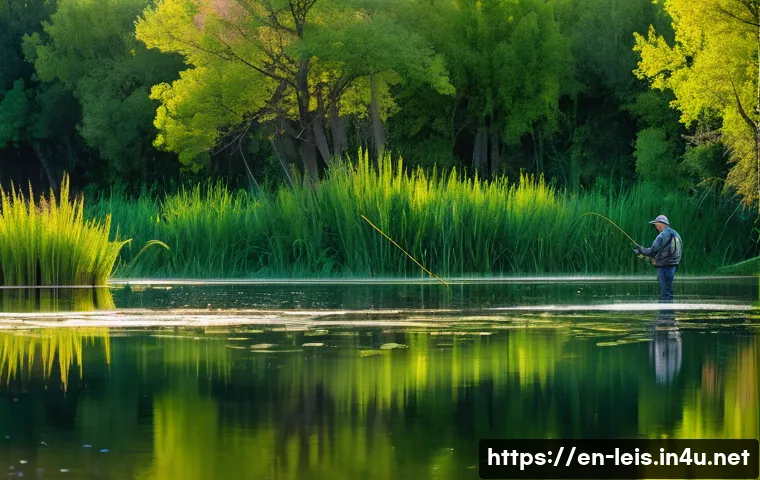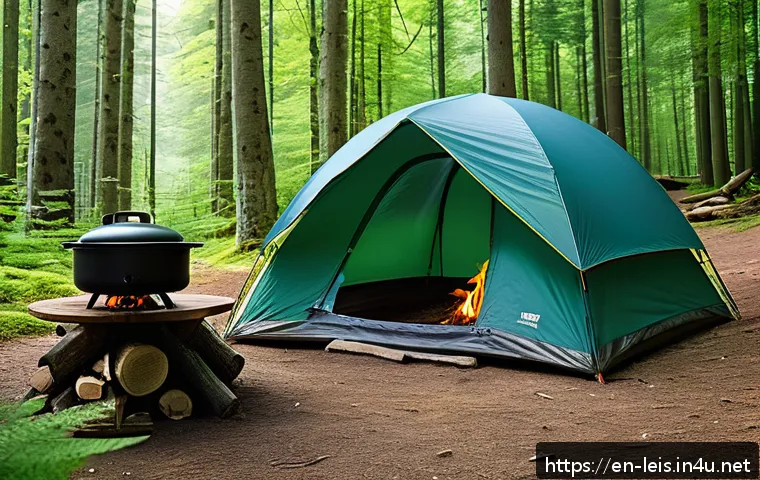
Hey there, outdoor enthusiasts! As camping season heats up, many first-timers are eager to escape into nature but often stumble over common rookie mistakes that can turn a dream trip into a hassle.
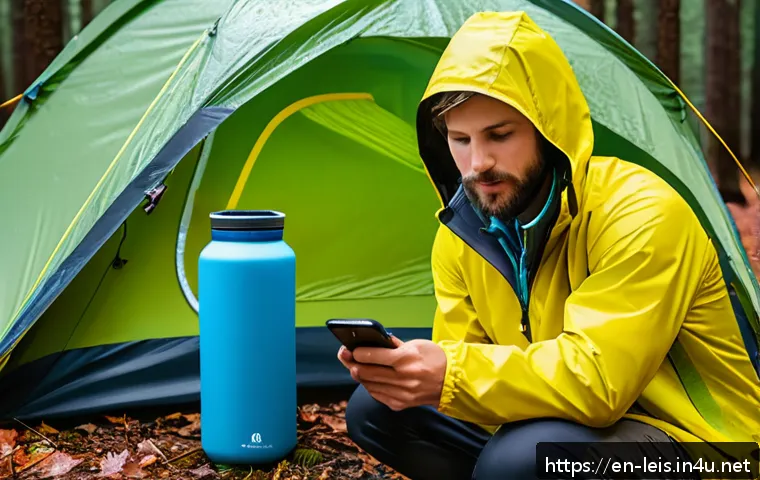
Whether it’s forgetting essential gear or underestimating the weather, these missteps can dampen your adventure faster than you expect. I’ve been there myself, and trust me, a few simple tweaks can transform your experience from stressful to spectacular.
Stick around as we dive into the most frequent camping blunders and how to fix them, ensuring your next getaway is nothing short of amazing. Ready to level up your camping game?
Let’s get started!
Choosing the Right Campsite: More Than Just a Pretty View
Understanding Terrain and Accessibility
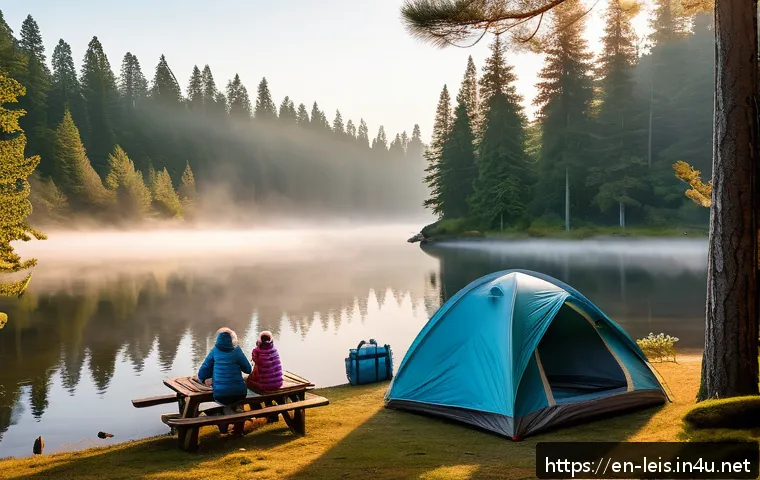
Picking a spot that looks great in pictures might not always be the smartest choice. From my own trips, I’ve learned that flat, firm ground beats a scenic slope any day—especially if you want a good night’s sleep and a stable tent setup.
Also, consider how accessible the site is; lugging heavy gear over rough terrain can turn a fun hike into a grueling ordeal. Look for campsites with nearby trails or roads if you’re carrying a lot of equipment or if you’re camping with kids or elderly friends.
Accessibility isn’t just about ease of arrival but also emergency exit strategies, so always have a plan.
Weather Patterns and Natural Shelter
One thing I underestimated at first was how much weather can impact my campsite choice. Avoid low-lying areas that collect water during rainstorms—waking up in a puddle is no joke.
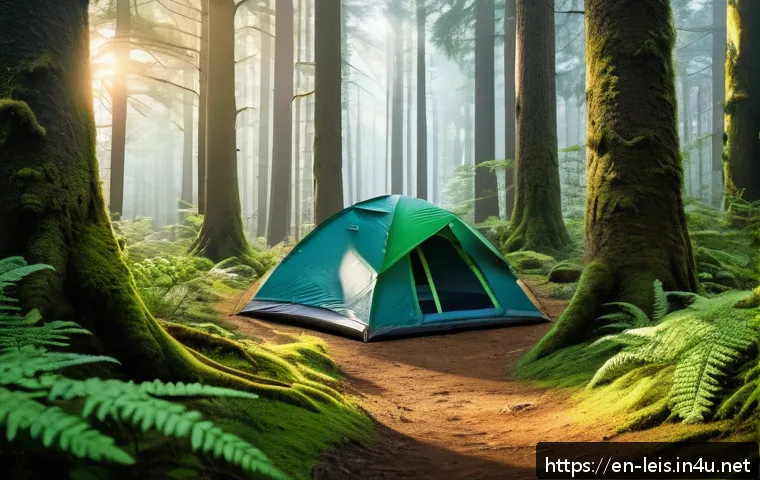
Trees provide shade and windbreaks, but be wary of dead branches overhead or spots prone to strong gusts. I usually check local weather forecasts and use apps that show wind patterns to pick a spot that offers natural protection without putting me at risk of falling debris or flooding.
Wildlife Considerations and Regulations
Camping in nature means sharing space with wildlife, and it’s crucial to respect that. I once picked a site near a berry patch only to have curious raccoons raid my food stash overnight.
It’s always smart to camp away from animal trails or water sources to minimize encounters. Also, familiarize yourself with the rules—many parks require food to be stored in bear-proof containers or away from tents.
Following these rules not only keeps you safe but also helps protect the animals and preserve the environment.
Mastering Your Packing List: Essentials and Extras
Prioritizing Gear Based on Trip Length and Location
Packing too much or too little gear is a rookie mistake I’ve made more than once. For short weekend trips, I focus on multi-use items to save space and weight—like a pot that doubles as a bowl or clothes that layer well.
Longer trips demand more specific gear, especially if you’re camping in variable climates. Researching the area ahead of time helps me avoid bringing unnecessary items while ensuring I’m prepared for unexpected changes, like a sudden cold snap or rain.
Don’t Forget the Basics: Shelter, Sleep, and Safety
A good tent, a reliable sleeping bag, and a comfortable sleeping pad are non-negotiable. I once skimped on a sleeping pad and ended up with a sore back for days, which ruined the rest of my trip.
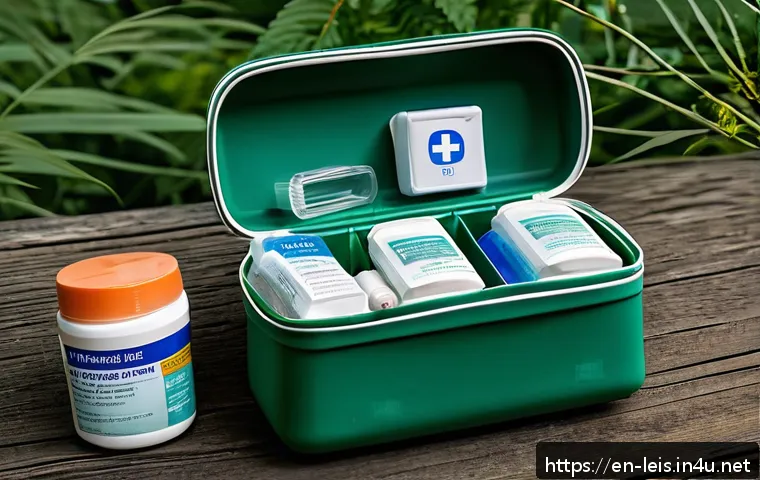
Safety items like a first aid kit, a headlamp, and a multi-tool should always be within easy reach. Even if you think you won’t need them, having these basics covered provides peace of mind and can save your skin in emergencies.
Smart Food and Water Planning
Food planning can make or break your camping experience. I always pack high-energy, easy-to-prepare meals like trail mix, dehydrated soups, and jerky.
It’s tempting to bring fresh ingredients, but they spoil quickly and add weight. Water is even more critical—knowing where to refill or having a reliable purification method is a lifesaver.
I’ve learned that carrying a water filter or purification tablets beats relying solely on bottled water, especially on longer hikes.
Setting Up Camp Efficiently: Tips for a Smooth Start
Arriving Early to Claim the Best Spot
Getting to the campsite early gives you the advantage of daylight to set up and scout the area. On my first few trips, arriving late meant fumbling with tent poles in the dark or missing out on prime spots.
Early arrival also allows time to gather firewood if permitted and familiarize yourself with the surroundings, which makes the whole experience less stressful and more enjoyable.
Organizing Your Tent and Gear for Convenience
Inside the tent, I always arrange my gear so that essentials are easy to reach—headlamp, water bottle, and a small first aid kit. Keeping the interior tidy prevents tripping over stuff and helps me find things quickly.
Outside the tent, I create designated zones: cooking area, firewood stack, and food storage, which keeps critters at bay and minimizes mess. Trust me, a well-organized campsite feels much more relaxing.
Fire Safety and Campfire Etiquette
Building a safe fire is both an art and a responsibility. I’ve learned to clear the area of flammable debris and keep water or dirt nearby to extinguish flames quickly.
Using established fire rings where available helps prevent wildfires. Also, knowing when to put out your fire completely is key—never leave it unattended.
Respecting quiet hours and minimizing smoke keeps your neighbors happy and the environment safe.
Weather Preparedness: Staying Comfortable No Matter What
Dressing in Layers and Choosing the Right Fabrics
I can’t stress enough how dressing properly changed my camping comfort level. Layering allows you to adjust to fluctuating temperatures, and fabrics like merino wool or synthetic blends wick moisture better than cotton, which holds sweat and chills you down.
On one chilly morning, my layered clothes saved me from shivering through breakfast, proving that a little planning goes a long way.
Rain Gear That Actually Works
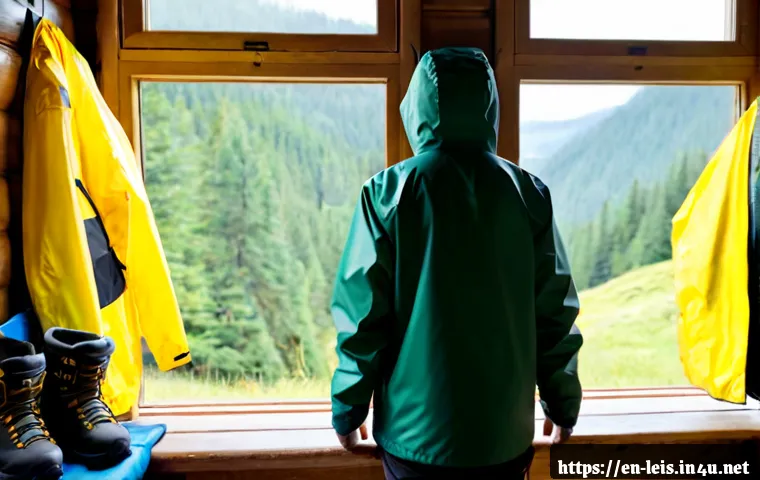
Getting caught in a downpour without proper rain gear is a rookie blunder I made on my second trip. A lightweight, breathable rain jacket and quick-drying pants made all the difference the next time it rained.
Also, packing a rain cover for your backpack keeps your essentials dry. Waterproof stuff sacks or dry bags protect electronics and clothing from unexpected showers, so don’t skip these small but vital items.
Monitoring Weather Updates on the Go
Technology is your friend here—apps that provide real-time weather alerts can help you make quick decisions about hiking, setting up camp, or packing up early.
On one trip, an alert about an incoming storm gave me just enough time to secure my tent and gear, avoiding damage and discomfort. Even a basic weather radio can be a lifesaver in remote areas where cell signals are weak.
Food Safety and Waste Management in the Wild
Proper Food Storage to Avoid Animal Encounters
Leaving food out or improperly stored is a magnet for wildlife, and I’ve had my share of visits from curious critters. Using bear canisters or hanging food bags high in trees keeps animals away and your food safe.
Some campgrounds provide lockers, and if you’re in bear country, following these rules is not optional but essential for your safety and theirs.
Cooking Safely and Minimizing Smells
Cooking meals away from your sleeping area reduces the risk of attracting animals. I usually set up a small camp stove or fire pit a good distance from my tent.
Choosing meals with less odor can also help; for example, boiling water for instant meals produces less smell than frying bacon. Cleaning cooking utensils and storing waste properly ensures that your campsite stays clean and less inviting to wildlife.
Leave No Trace: Managing Waste Responsibly
Packing out all trash is a rule I live by now. I bring extra bags to separate recyclables and food scraps. When nature calls, using designated restrooms or digging catholes well away from water sources is crucial.
Not only does this keep the environment pristine for future campers, but it also shows respect for the wilderness and the community that enjoys it.
Essential Safety Tips: Being Ready for Anything
First Aid Knowledge and Kit Essentials
Having a well-stocked first aid kit is a given, but knowing how to use it is just as important. I took a basic wilderness first aid course that gave me confidence to handle common injuries like cuts, burns, or insect bites.
Including items like blister pads, antiseptic wipes, and allergy medication made me feel prepared for just about any minor emergency.
Navigation Skills Beyond GPS
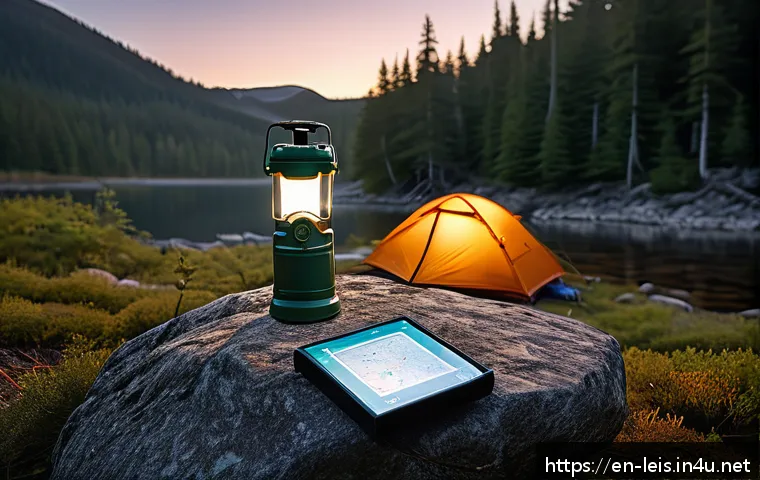
Relying solely on your phone’s GPS can be risky if you lose signal or run out of battery. I always carry a physical map and compass and practice using them before heading out.
Learning to read natural landmarks and understanding basic orienteering boosts your confidence and safety in the wilderness.
Emergency Communication Plans
Before heading into areas with spotty reception, I share my itinerary with a friend or family member. Carrying a whistle, signal mirror, or a personal locator beacon can be lifesaving if you get lost or injured.
These tools, combined with a clear communication plan, help ensure that help arrives quickly when needed.
| Common Camping Mistake | Impact | Simple Fix |
|---|---|---|
| Poor Campsite Selection | Uncomfortable sleep, safety hazards | Choose flat, sheltered, and accessible spots |
| Overpacking or Underpacking Gear | Excess weight or lack of essentials | Plan gear by trip length and weather |
| Ignoring Weather Preparedness | Discomfort, risk of illness | Layer clothes, bring rain gear, check forecasts |
| Improper Food Storage | Attracts wildlife, safety risk | Use bear canisters or hang food bags |
| Neglecting Safety Measures | Increased risk of injury or getting lost | Carry first aid, maps, and emergency devices |
In Conclusion
Choosing the right campsite and preparing thoroughly are key to a memorable and safe outdoor experience. From terrain and weather to food safety and emergency readiness, every detail matters. With thoughtful planning and respect for nature, camping can be both comfortable and rewarding. Remember, the best trips come from learning and adapting along the way.
Helpful Tips to Keep in Mind
1. Always scout for flat, accessible campsites to ensure comfort and safety during your stay.
2. Tailor your packing list based on the length and location of your trip to avoid carrying unnecessary weight or missing essentials.
3. Dress in layers and bring reliable rain gear to stay comfortable in changing weather conditions.
4. Store food securely using bear-proof containers or by hanging it to prevent wildlife encounters.
5. Prepare for emergencies by carrying a well-stocked first aid kit, navigation tools, and a clear communication plan.
Key Takeaways
Selecting a campsite involves more than just finding a scenic spot—it requires assessing terrain, weather, and accessibility to ensure safety and comfort. Packing smartly means balancing essentials with convenience, while always prioritizing shelter, safety, and nourishment. Efficient camp setup and fire safety practices protect both you and the environment. Staying informed about weather and wildlife, along with having solid emergency plans, completes a responsible camping approach that enhances enjoyment and peace of mind.
Frequently Asked Questions (FAQ) 📖
Q: uestionsQ1: What are the most common mistakes first-time campers make?
A: Many beginners tend to underestimate the importance of proper preparation. This includes forgetting essential gear like a reliable tent, sleeping bag, or sufficient food and water.
Others overlook checking the weather forecast or fail to familiarize themselves with the campsite rules. From my own early trips, I learned that skipping these basics often leads to discomfort and unnecessary stress.
Packing a checklist and researching your destination ahead of time can save you from these pitfalls.
Q: How can I better prepare for unpredictable weather while camping?
A: Weather can change quickly outdoors, so layering your clothing is a game-changer. I always bring waterproof gear, extra warm layers, and quick-drying clothes just in case.
It’s also smart to pack a sturdy rainfly for your tent and keep electronics sealed in waterproof bags. Checking multiple weather sources the night before helps, but being ready for sudden shifts is key to staying comfortable and safe.
Q: What’s the best way to avoid food-related issues during a camping trip?
A: Food management can make or break your trip. I recommend planning simple, non-perishable meals that are easy to prepare and won’t spoil quickly. Bringing airtight containers and coolers helps keep perishables fresh, and always carry extra snacks in case plans change.
Also, be mindful of local wildlife by storing food securely away from your tent to prevent unwanted visitors. This approach has saved me from many frustrating situations in the wild.