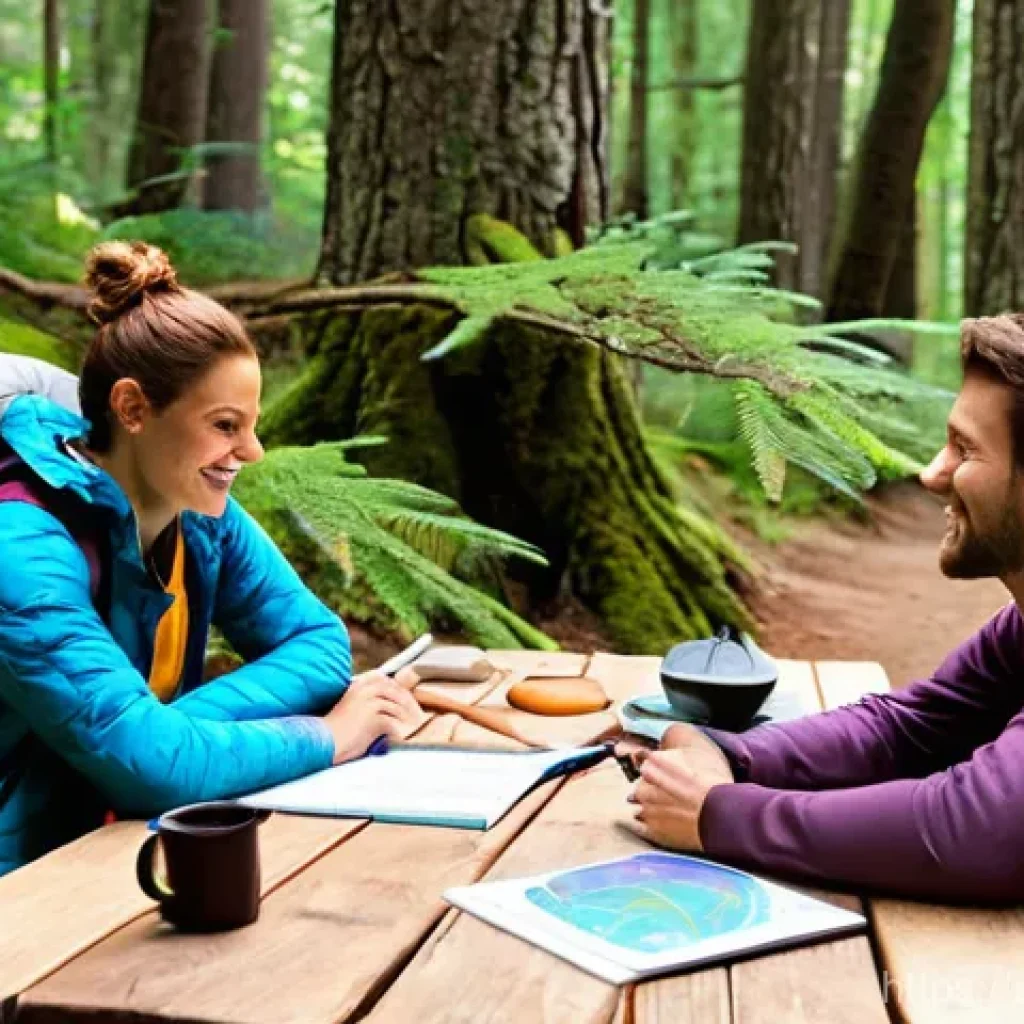
There’s nothing quite like the sheer joy and exhilaration of stepping out and embracing a new adventure, whether you’re planning to conquer a challenging mountain trail, glide across a tranquil lake on a paddleboard, or even just explore a new city on a bike.
I know that feeling of anticipation, that buzz of excitement when you’re looking forward to disconnecting and creating incredible memories. But as someone who genuinely loves all sorts of leisure activities, I’ve also learned the hard way that the difference between an epic tale and a cautionary one often comes down to a few simple safety precautions.
It’s easy to get swept up in the moment, especially with so many cool new gadgets and activities constantly emerging, but a little bit of foresight goes an incredibly long way.
My goal here isn’t to dampen your adventurous spirit; quite the opposite! I want to empower you to enjoy every single second without a single worry, by ensuring you’re equipped with the best, most up-to-date knowledge.
We’re living in a time where more people than ever are seeking out unique experiences, and with that comes a heightened need to be smart and prepared.
So, how do we make sure our next escape is not just thrilling, but fantastically safe, too? Let’s find out exactly how we can do that!
Well, hello there, fellow adventurers! It’s your favorite English blog influencer, and I’m absolutely thrilled you’re here today. We’re diving deep into something that’s super close to my heart: how to make sure our awesome leisure activities are not just exhilarating but also fantastically safe.
Because let’s be real, nothing spoils a great story faster than an unexpected mishap! We all want to soak up every single second without a single worry, right?
So, let’s get into the nitty-gritty of how we can stay prepared and make those memories truly unforgettable, for all the right reasons.
Mastering the Art of Pre-Adventure Reconnaissance
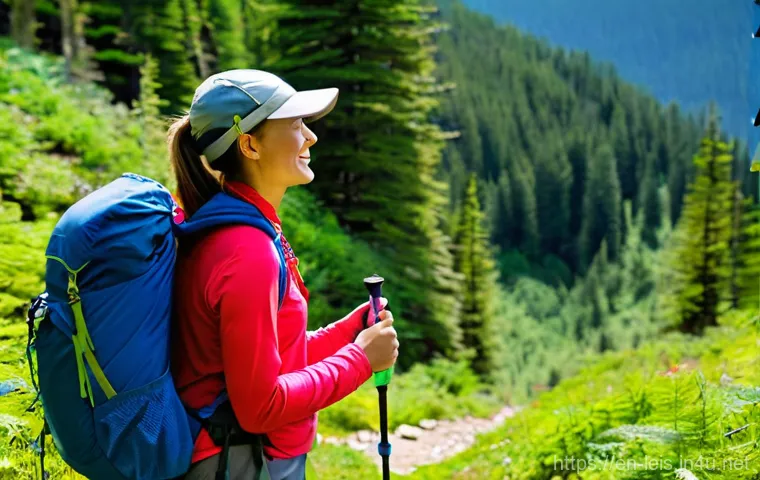
I’ve learned over the years that half the battle for a safe and enjoyable outing is won long before you even step out the door. It’s all about getting your ducks in a row and really understanding what you’re getting yourself into.
Think of it as being a detective for your own adventure! This isn’t about being overly cautious; it’s about being smart and proactive. I’ve personally seen how a little bit of foresight can prevent a whole lot of headache.
For instance, that one time I planned a kayaking trip without checking the wind forecast? Let’s just say I got an unplanned arm workout and a very choppy ride back!
Ever since, I’ve been a stickler for knowing every detail. Researching your destination thoroughly means looking into the local weather patterns, the terrain you’ll be on, any potential hazards, and even what kind of wildlife you might encounter.
Are there specific regulations for the area, like fire bans or required permits? Knowing these things helps you pack appropriately and avoid any unwelcome surprises.
Trust me, it makes all the difference.
Digging Deep into Your Destination
Before I even think about packing my bags, I’m deep-diving into information. I’m talking about more than just a quick Google search; I’m checking local park service websites, reading recent trail reports, and even scanning social media for real-time updates from other adventurers.
For example, if I’m planning a hike, I want to know about recent trail conditions – is it muddy? Are there fallen trees? What are the water sources like?
This isn’t just for long treks either; even a day trip to a new paddleboarding spot warrants a check for currents, tides, and any specific boating rules.
It helps me choose the right route and, crucially, understand what challenges might lie ahead. It’s like having a sneak peek at your adventure, allowing you to prepare for anything Mother Nature might throw your way.
I remember a time I almost set off on a biking trail only to find out, thanks to a local forum, that a key bridge was out! Saved me a ton of hassle.
The Wisdom of a Robust Backup Plan
Now, here’s a lesson I learned the hard way: always have a Plan B, and honestly, a Plan C wouldn’t hurt either! No matter how meticulously you plan, things can and do go sideways.
Weather can change in an instant, a trail can be unexpectedly closed, or someone in your group might not feel up to the challenge. My motto now is, “Hope for the best, prepare for the worst.” This means having alternative routes, knowing exit points, and even having a backup activity in mind if your primary one becomes unsafe or unfeasible.
For instance, if my hiking plans are thwarted by a sudden storm, I’ve got a list of indoor climbing gyms or scenic drives ready to go. It keeps the spirits high and the stress low, because hey, we’re still having an adventure, just a different kind!
Gearing Up for Greatness: Your Essential Adventure Arsenal
Okay, let’s talk gear! I know it can be tempting to just grab what you have or go for the cheapest option, but when it comes to safety in leisure activities, your equipment is truly your first line of defense.
I’ve personally seen how the right gear can turn a potentially bad situation into a minor inconvenience, and inversely, how inadequate gear can escalate problems quickly.
We’re talking about investing in your well-being here, not just buying another gadget. For backpacking, hiking, camping, or even just a day out kayaking, having the right tools is non-negotiable.
It’s about being comfortable, protected, and prepared for whatever comes your way. My hiking boots, for example, have saved my ankles more times than I can count, and a good waterproof jacket has been a literal lifesaesaver in unexpected downpours.
The Non-Negotiable Essentials
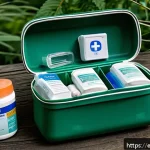
So, what absolutely *has* to be in your pack? This list might vary slightly depending on your activity, but some items are universal. A well-stocked first-aid kit is paramount – not just bandaids, but antiseptic wipes, pain relievers, blister treatment, and any personal medications.
Hydration is another huge one; always carry more water than you think you’ll need, or a reliable water filter if you’re going for a longer haul. Beyond that, think navigation (map, compass, or GPS, and know how to use them!), sun protection (sunscreen, hat, sunglasses), illumination (headlamp or flashlight with extra batteries), a fire starter, a multi-tool or knife, and emergency shelter like a lightweight blanket or bivvy.
Trust me, being able to warm up, see in the dark, or find your way back makes all the difference. I once forgot a headlamp on an overnight camping trip, and fumbling around in the pitch black trying to find my toothbrush was an adventure I do NOT wish to repeat!
Smart Tech for Safer Adventures
While I’m a big advocate for traditional skills, modern technology can be a fantastic ally in safety. A fully charged mobile phone is a given, but don’t rely solely on it, especially in remote areas where service might be spotty.
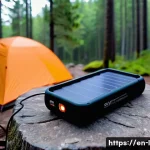
I always carry a portable power bank, which has been a lifesaver more than once when my phone battery decided to give up the ghost at an inopportune moment.
For those really off-the-grid adventures, a personal locator beacon (PLB) or satellite messenger can literally be the difference between a tough spot and a full-blown emergency.
These devices allow you to send out an SOS signal even when there’s no cell service, giving search and rescue teams your exact location. It’s a small investment for massive peace of mind, especially if you, like me, occasionally enjoy pushing your boundaries into less-traveled territories.
Listening to Your Body and the Wild: Understanding Your Limits
It’s so easy to get caught up in the thrill of the moment, isn’t it? That rush of adrenaline, the desire to reach that summit or paddle just a little further.
But here’s where a truly experienced adventurer stands out: knowing when to pull back, when to rest, and when to call it a day. This isn’t about being weak; it’s about being smart and respecting both your own physical capabilities and the ever-changing conditions of the environment around you.
I’ve personally learned this lesson on a few occasions, pushing myself too hard and paying for it later with exhaustion or minor injuries. There’s no glory in pushing past your safe limits; the real triumph is enjoying your activity and making it home safely, ready for the next one!
Recognizing Fatigue and Environmental Hazards
Our bodies are amazing, but they have limits. Pushing through exhaustion, dehydration, or muscle strain isn’t brave; it’s risky. I make it a point to listen to those subtle cues my body gives me: a slight ache, a feeling of lightheadedness, or even just a dip in my mood.
These are all signals that it might be time for a break, some food, or even to turn back. Equally important is paying attention to your surroundings. The weather can shift rapidly, especially in mountainous or coastal areas.
A clear sky can turn stormy in minutes, and what started as a gentle breeze can become a powerful gust. Always be scanning the horizon, feeling the air, and checking the forecast frequently, not just once at the start of your day.
If you notice things are changing for the worse, it’s always better to err on the side of caution.
Building Your Physical and Mental Resilience
While it’s important to know your limits, it’s also incredibly empowering to expand them safely! Many leisure activities require a certain level of fitness, and preparing your body beforehand can drastically reduce your risk of injury and improve your overall enjoyment.
I’m not talking about becoming a professional athlete, but consistent exercise, stretching, and activity-specific training can make a huge difference.
For instance, if you’re planning a long hike, start with shorter, less strenuous walks to build your stamina. And let’s not forget mental preparation.
Outdoor adventures often involve unexpected challenges, and a positive, resilient mindset can help you navigate difficult situations more effectively.
Visualizing potential scenarios and how you’d calmly react can be surprisingly effective. It’s all about building confidence so you can truly savor every moment.
The Communication Lifeline: Staying Connected When It Counts
In this digital age, staying connected feels second nature, but when we head into the wild for some leisure time, our usual communication methods can sometimes falter.
However, having a reliable communication plan is genuinely one of the most critical safety nets you can have, especially when you’re off the beaten path.
I’ve had moments where I lost cell service completely, and the sheer relief of having a backup plan or a way to check in was immense. It’s not just about emergencies; it’s also about giving peace of mind to loved ones back home and ensuring that if something *does* happen, help can find you quickly.
Tools and Strategies for Remote Areas
When your cell phone becomes an expensive paperweight because there’s no signal, what then? This is where strategic thinking and a few key pieces of equipment come into play.
As I mentioned, a fully charged phone and a power bank are fundamental. But in truly remote areas, consider investing in a satellite messenger or a personal locator beacon (PLB).
These devices allow you to send out predefined messages or emergency SOS signals regardless of cell service. Additionally, some adventurous souls opt for two-way radios, particularly if they are in a group that might spread out.
Beyond gadgets, establish clear check-in times with someone reliable back home. Let them know your planned route and when they should expect to hear from you.
If they don’t hear from you by a certain time, they know to initiate a search. This “float plan” or “adventure itinerary” is a simple yet incredibly effective safety measure.
The Power of a “Float Plan” or “Adventure Itinerary”
This isn’t just a suggestion; for me, it’s a non-negotiable step before any significant outing. Whether I’m hitting the hiking trails, heading out on the water, or even just exploring a new city, someone trustworthy knows my basic plan.
A float plan, or as I like to call it, an “adventure itinerary,” is essentially a detailed outline of your trip shared with a friend or family member who isn’t coming with you.
This includes:
- Your planned departure and return times.
- Your exact route, including entry and exit points.
- Names and contact information of everyone in your group.
- Description of your vehicle, including license plate number.
- Any significant waypoints or planned stops.
- When they should expect to hear from you, and what to do if they don’t.
This seemingly small step provides an invaluable safety net. If something goes wrong and you’re unable to call for help, your designated contact person can provide authorities with crucial information, significantly reducing search and rescue times.
It’s truly a gift of peace of mind, both for you and for those who care about you.
When Things Go Sideways: Navigating the Unexpected
No matter how much we plan, research, and prepare, life – and especially adventure – loves to throw us curveballs. It’s those unexpected twists and turns that truly test our mettle.
But here’s the thing: being prepared for the unexpected isn’t about anticipating every single problem; it’s about having the skills and mindset to adapt when challenges arise.
I’ve faced everything from sudden weather changes to minor injuries, and what always pulled me through was a combination of practical skills and keeping a cool head.
It’s about empowering yourself to be resourceful and resilient, so when something goes wrong, you’re not panicking – you’re problem-solving.
Essential First Aid and Emergency Skills
Knowing basic first aid is, in my opinion, just as important as packing a first-aid kit. What good is a bandage if you don’t know how to apply it properly?
Taking a wilderness first aid course, even a basic one, can equip you with the knowledge to handle everything from sprains and cuts to more serious situations like hypothermia or allergic reactions.
This isn’t just for you; it’s for anyone you might encounter who needs help. I once helped a fellow hiker with a badly sprained ankle miles from the trailhead, and my basic first aid knowledge made a huge difference in keeping them comfortable and safe until help arrived.
Knowing CPR is another life-saving skill that everyone, especially adventurers, should consider learning. These skills empower you to act confidently and effectively when every second counts.
Keeping a Cool Head Under Pressure
It’s easy to get flustered when things go wrong, but panic is rarely your friend. Maintaining composure in an emergency is a skill, and like any skill, it can be developed.
I often tell myself to take a deep breath, assess the situation calmly, and then prioritize. What’s the immediate danger? What resources do I have?
What’s the most logical next step? This methodical approach helps prevent rash decisions and allows for clearer thinking. Practicing emergency scenarios in a low-stakes environment, even just mentally, can help build this resilience.
Think about what you would do if you got lost, or if someone got injured. Having a general framework in your mind can make a huge difference when the real thing happens.
Remember, the goal isn’t to be fearless; it’s to manage fear so you can act effectively.
Our Shared Playgrounds: Respecting Nature and Each Other
For those of us who adore spending time outdoors, whether it’s hiking, kayaking, or just enjoying a picnic in a park, we’re all sharing these incredible spaces.
And with that shared privilege comes a shared responsibility. I truly believe that part of being an informed and prepared adventurer is understanding how our actions impact the environment and other people around us.
It’s not just about following rules; it’s about a deeper respect for the natural world and fostering a positive, enjoyable experience for everyone. This mindset enhances our own adventures and ensures these beautiful places remain pristine for generations to come.
Embracing the “Leave No Trace” Ethic
The “Leave No Trace” principles are more than just guidelines; they’re a philosophy for responsible outdoor recreation. I’ve personally adopted these as my golden rules, and they really are quite simple.
“Pack it in, pack it out” means everything you bring with you, you take back out – and that includes all trash, even organic waste like fruit peels. Traveling and camping on durable surfaces, like established trails and campsites, helps protect fragile ecosystems.
It’s also about respecting wildlife from a distance – never feeding animals or disturbing their natural habitats. And of course, being considerate of other visitors means keeping noise levels down and giving others space to enjoy the tranquility.
Following these principles isn’t just good etiquette; it’s crucial for preserving the wild places we cherish. It allows nature to thrive and ensures that everyone can find their moment of peace.
Understanding Local Regulations and Wildlife
Every outdoor space has its own unique rules and ecosystems, and it’s our job as visitors to understand and respect them. This goes hand-in-hand with our initial research.
Are there specific areas that are off-limits for conservation reasons? Are there particular wildlife considerations, like bear country precautions or nesting bird seasons?
For example, where I live, there are strict rules about keeping dogs on leashes in certain areas to protect local ground-nesting birds, and knowing this prevents fines and protects vulnerable species.
Familiarizing yourself with local fauna and flora not only keeps you safe (knowing which plants to avoid, for instance) but also enriches your experience, allowing you to appreciate the unique biodiversity of each place you visit.
It makes your adventure so much more meaningful when you’re truly connected to the environment around you.
Strength in Numbers: The Undeniable Power of the Buddy System
There’s a special kind of freedom that comes with a solo adventure, I get it, I really do. But as someone who’s spent a fair amount of time exploring, I’ve also come to deeply appreciate the incredible benefits – and often, the enhanced safety – that comes from having a companion or a group.
It’s not about being dependent; it’s about leveraging collective strengths, sharing experiences, and having that crucial extra layer of security. Whether you’re planning a challenging climb or a leisurely paddle, thinking about who you’re with, or if you should even be alone, is a vital part of safety planning.
The Unbeatable Benefits of Companionship
When you’re out with a buddy or a group, you instantly multiply your resources. You’ve got more eyes to spot potential hazards, more hands to share the load, and extra brains for problem-solving.
If someone gets injured, there’s someone else there to provide first aid, go for help, or offer moral support. Beyond the practical safety aspects, I’ve found that sharing an adventure simply makes it better.
The laughter, the shared awe at a stunning vista, the collective effort to overcome a challenge – these are the moments that truly stick with you. Plus, a little friendly encouragement can be just what you need to push through when you’re feeling tired.
It fosters a sense of camaraderie that’s hard to beat. Here’s a quick look at why the buddy system just makes sense:
| Aspect | Solo Adventure | Buddy/Group Adventure |
|---|---|---|
| Safety in Emergency | Solely reliant on self, potentially limited communication. | Immediate assistance, multiple people to seek help. |
| Shared Load | Everything on your back. | Gear, food, and responsibilities can be distributed. |
| Navigation | One person’s focus and interpretation. | Multiple perspectives, reduced chance of getting lost. |
| Morale & Motivation | Can be challenging during tough moments. | Mutual encouragement, shared joy, improved mental well-being. |
| Problem Solving | Single perspective, potential for tunnel vision. | Diverse ideas, collaborative solutions. |
When Solo Adventures are Okay (and How to Make Them Safer)
Now, I know some of you, like me at times, crave that solitude that only a solo adventure can offer. And that’s absolutely fine, as long as you approach it with an even higher degree of caution and preparation.
If you’re going solo, it’s crucial to be even more meticulous with your planning. Stick to well-trafficked, familiar routes initially. Tell *multiple* people exactly where you’re going, your detailed itinerary, and when you expect to return.
Consider carrying a satellite messenger or PLB as a non-negotiable item. And perhaps most importantly, be brutally honest with yourself about your skills and comfort level.
Don’t push yourself beyond what you truly know you can handle alone. Trust your instincts; if something feels off, it probably is, and it’s always okay to turn back.
Solo adventures can be incredibly rewarding for self-discovery and pushing personal boundaries, but they demand an elevated sense of responsibility and preparedness.
A Final Thought to Fellow Adventurers
Well, my fellow outdoor enthusiasts, as we wrap up this deep dive into safe adventuring, I truly hope you feel as invigorated and prepared as I do! It’s all about striking that perfect balance: embracing the thrill of discovery while always keeping an eye on safety. Remember, every planned detail, every piece of quality gear, and every bit of foresight contributes to not just a safer journey, but a richer, more enjoyable one. So go forth, explore, and create those magnificent memories, knowing you’ve got the wisdom to navigate whatever wonders and challenges come your way. Until our next adventure, stay curious and stay safe!
Useful Information to Know
1. Always double-check the local weather forecast specifically for your adventure area, not just your general region. Microclimates can cause significant, rapid changes, especially in mountainous or coastal zones.
2. Carry a physical map and compass, and know how to use them, even if you rely on GPS. Batteries die, signals drop, and a tangible map can be your best friend when technology fails, as I’ve learned firsthand!
3. Inform a trusted contact of your “float plan” or adventure itinerary, including your expected return time and what to do if you don’t check in. This simple step is an invaluable safety net for everyone involved.
4. Invest in quality gear that fits well and is appropriate for your activity. Don’t skimp on essentials like footwear, waterproof layers, and a well-stocked first-aid kit; they are investments in your safety and comfort that truly pay off.
5. Practice self-awareness: listen to your body for signs of fatigue or dehydration, and don’t hesitate to turn back or rest if conditions feel unsafe or your energy wanes. There’s always another day for adventure, and your well-being comes first!
Key Takeaways
Ultimately, safe adventuring boils down to thoughtful preparation, respectful engagement with nature, and a proactive mindset. It’s about empowering yourself with knowledge and the right tools, always listening to your instincts, and knowing when to ask for help or adjust your plans. By prioritizing preparedness and communication, we transform potential risks into manageable challenges, ensuring that every outing is not just an escape, but a truly memorable and safe experience for everyone involved. Trust me, it makes all the difference.
Frequently Asked Questions (FAQ) 📖
Q: What are those “simple safety precautions” you mentioned that people often overlook, especially when trying something new and exciting?
A: Oh, this is such a great question, and it’s where my personal adventures have taught me some of the most valuable lessons! You know, it’s easy to get caught up in the thrill, but those seemingly small things truly make all the difference.
For me, the number one overlooked precaution is often just telling someone your exact plan. Seriously, a quick text to a friend or family member with your route, expected return time, and who you’re with (if anyone) is non-negotiable.
I can’t tell you how many times I’ve heard stories, or even had a close call myself, where this simple step could have prevented a huge headache. Another big one is hydration and sun protection, even on a cloudy day!
You might think it’s just a quick paddle or a short hike, but dehydration can sneak up on you faster than you’d imagine, zapping your energy and focus.
And sunburn? That’s not just uncomfortable; it can ruin the rest of your trip. I always pack more water than I think I’ll need and slap on that SPF, no matter what.
Lastly, checking the weather right before you head out, and having a backup plan. Forecasts can change in an instant, and being caught unprepared in a sudden downpour or an unexpected heatwave is no fun at all.
I learned this the hard way once when a sunny morning hike turned into a slippery, stormy descent because I didn’t do that last-minute check. Trust me, these aren’t buzzkills; they’re adventure-extenders!
Q: With so many cool new gadgets and activities constantly emerging, how can I be sure the gear I’m using is actually safe and reliable, and not just trendy?
A: This is a fantastic point! The market is just bursting with innovative gear, and it’s tempting to jump on every new trend. My rule of thumb, after a few questionable purchases myself, is to prioritize function and proven reliability over flashiness.
First, always do your homework. Don’t just look at the shiny ad; dig into genuine user reviews and, if available, independent safety certifications. Websites that specialize in testing outdoor gear are goldmines for this kind of information.
I remember once buying this really sleek, lightweight paddleboard only to realize, after a couple of uses, that its stability wasn’t quite up to snuff for my skill level – a classic case of form over function!
Second, understand your own skill level and the demands of the activity. A beginner doesn’t need (or shouldn’t use) professional-level equipment that requires advanced handling.
Third, inspect your gear thoroughly before every single outing. Look for wear and tear, loose parts, or anything that seems off. A small crack in a helmet or a frayed strap on a harness could have serious consequences.
And if you’re ever in doubt, ask someone more experienced at a reputable outdoor store. Their insights can be invaluable. It’s all about empowering yourself with knowledge so you can truly trust what you’re using.
Q: Sometimes I get so caught up in the moment that I forget to check conditions or listen to my gut. What’s your top advice for staying present and making smart safety decisions when the adrenaline is pumping?
A: Oh, I totally get this! That rush of adrenaline is exactly what we crave, right? But it’s also when our brains can get a little fuzzy on the critical details.
My absolute top advice for staying grounded and making smart decisions, even when you’re buzzing with excitement, is to build in “check-in moments”. Before you start any activity, take a deep breath and consciously acknowledge the conditions around you.
Are the waves choppier than expected? Is the trail muddier? Are there more people than you anticipated?
And during the activity itself, I make it a habit to pause, even for just 30 seconds, every hour or so. It’s a moment to re-assess: How am I feeling? Is my energy flagging?
Is the weather changing? How’s the group doing? This simple act helps you reset and keeps you from getting lost in the “go, go, go.” Another crucial tip is to listen to that little voice in your head, your gut feeling.
If something feels off, it usually is. I’ve learned that ignoring a nagging doubt because “everyone else is doing it” or “I don’t want to be a spoilsport” is a recipe for trouble.
There was this one time I was mountain biking, and a particular section just looked… sketchier than I remembered. My brain wanted to push through, but my gut screamed no.
I dismounted and walked it, and honestly, it felt like a small victory to prioritize my safety over ego. Sometimes the bravest thing you can do is know when to pull back or change your plans.
Your adventure isn’t over just because you made a smart choice!