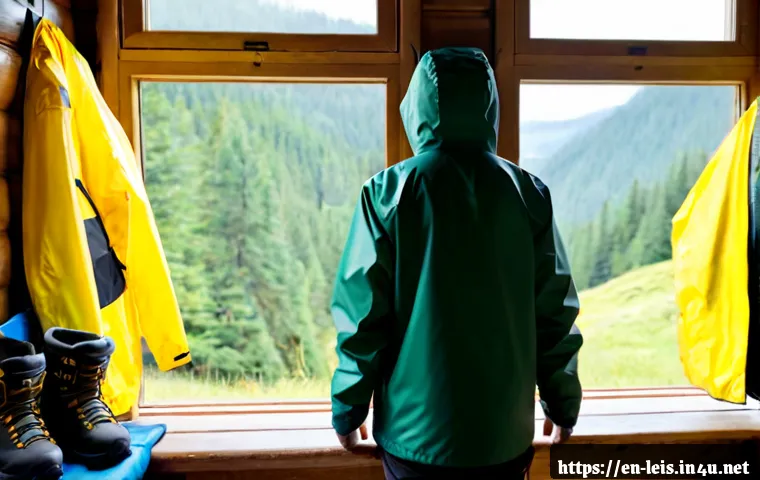
For occasional rain, a lightweight waterproof shell may be enough; for regular hiking, look for better ventilation, fit, and seam protection. For long wet-weather trips, a jacket, waterproof pants, and well-adjusted hood and cuffs are often more practical than relying on a jacket alone.
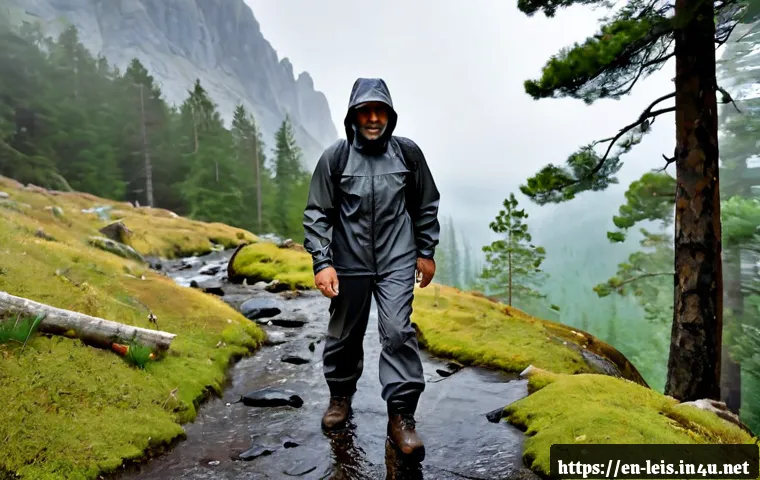
The right outdoor rain gear depends on how long you will be outside, how active you will be, and what layers you need underneath. Waterproofing and breathability solve different problems, so compare both instead of shopping by one rating.
A lower-cost shell can be a sensible choice for travel or emergency use, while frequent outdoor use may justify more durable construction and useful ventilation features.
Check current rain jacket prices, return policies, care instructions, and warranty coverage before making a final choice.
At a Glance
- Occasional rain: Choose a packable shell with dependable seam taping and enough room for a light layer.
- Regular hiking: Prioritize ventilation, a secure hood, adjustable cuffs, and a fit that works over midlayers.
- Extended wet weather: Consider a full rain set, including waterproof pants, for better coverage in wind and prolonged rain.
| Rain Gear Type | Price Consideration | Best Use | Main Trade-Off |
|---|---|---|---|
| Lightweight emergency shell | Usually the lower-cost option | Travel, short walks, unexpected showers | May offer fewer adjustment and ventilation features |
| Everyday rain jacket | Mid-range rain jacket comparison category | Commuting, dog walking, regular day hiking | Can be less compact than an emergency shell |
| Durable technical shell | Premium outdoor clothing category | Frequent hiking, backpacking, sustained wet weather | Higher upfront cost and more features than some users need |
| Jacket and waterproof pants set | Compare bundle price and individual-piece value | Camping, fishing, windy conditions, prolonged rain | More gear to carry and maintain |
The Quick Answer: Choose Rain Protection Based on How Long You Will Be Outside
Best priorities for occasional rain, regular hiking, and extended wet-weather trips
For a short walk or a commute, a simple waterproof rain shell with taped seams can be a practical starting point. For regular hiking, comfort matters more: look for room to layer, a hood that stays in place, and ventilation options for uphill movement. For multi-day travel or repeated exposure to rain, durable fabric, reliable adjustments, and protection below the waist become more important.
The minimum features worth looking for before buying
Start with seam taping. Stitched seams can let water through even when the main fabric is waterproof, so seam treatment deserves more attention than marketing language alone. Also check whether the hood, cuffs, hem, and front closure can be adjusted to reduce wind-driven rain. A durable water repellent, or DWR, finish helps water bead on the outer fabric, but it is not the same thing as waterproof protection.
When a jacket-only setup is enough and when pants are necessary
A jacket-only setup can work for light rain, short outings, and situations where you can get indoors quickly. Waterproof pants become more useful when rain is prolonged, grass or trail surfaces are wet, or wind pushes rain against your lower body. Gaiters, adjustable cuffs, and a storm hood can also make a meaningful difference when conditions worsen.
Compare Waterproof Outerwear by Protection, Comfort, and Price
Lightweight emergency shells versus everyday rain jackets
An emergency shell is mainly about packability and basic rain coverage. It can be a sensible budget choice for a day bag, airport travel, or a forecast that may change. An everyday rain jacket is often worth considering if you walk, commute, or hike in wet conditions regularly, because it may offer more useful pocket placement, hood adjustment, and comfort over layers.
2-layer, 2.5-layer, and 3-layer construction: practical differences
Construction labels can help compare garments, but they do not replace a close look at the full design. A lighter construction may suit casual use and packing convenience, while a more substantial construction may appeal to people who use waterproof outerwear often and care about durability. Do not assume one construction is automatically best; consider your activity, how much you carry, and how often you expect to wear the jacket.
Typical budget, mid-range, and premium buying considerations in USD
Rather than treating a rain jacket price as a performance guarantee, compare what the price includes. Budget rain gear may be enough when it is used occasionally and fits properly over your clothing. Mid-range options can be easier to justify for repeated outdoor use when they add practical features such as ventilation and better adjustment. Premium rain gear may make more sense when durable fabric, repairability, and frequent wet-weather travel are priorities. Current prices vary by retailer, region, stock, and seasonal promotions.
Which features add genuine value for frequent outdoor use
For frequent use, useful features are usually the ones that help in real weather: pit zips or other ventilation, a hood with secure adjustment, accessible pockets, and a cut that does not pull across the shoulders. A jacket that fits over a fleece or insulated layer without restricting movement can be more valuable than a jacket with an impressive-looking rating alone.
What to Check Before Buying a Rain Jacket or Full Rain Set
Seam taping, storm flaps, zippers, cuffs, and hem adjustments
Look inside the garment for information about seam construction. Check how the front closure is protected, whether cuffs can be tightened, and whether the hem can be adjusted. These small details help reduce gaps where wind and rain can enter. They are especially relevant for hiking, fishing, camping, and exposed travel conditions.
Hood fit, helmet compatibility, and visibility in poor weather
A hood should move with your head without blocking your view. If you use a helmet for your activity, confirm compatibility from the product details instead of assuming it will fit. In dim or stormy conditions, consider how easy the hood is to adjust and whether the garment design supports safe visibility.
Pit zips, pocket placement, and breathability during active use
Waterproof protection and breathability are separate characteristics. A garment can keep out rain yet still feel warm during exertion. Pit zips and other ventilation features may help when hiking uphill or moving quickly. Also check whether pockets remain usable with a backpack hip belt or when the jacket is zipped fully against rain.
Sizing for base layers, fleece, and insulated jackets
A rain shell is generally designed to be worn over insulating clothing. Try to assess the fit with the layers you actually use, not only over a T-shirt. A shell that is too tight can limit movement and reduce comfort, while an overly loose fit can feel awkward in wind. Review the retailer’s sizing guidance and return policy before ordering.
Avoid These Common Waterproof Clothing Mistakes
Confusing water-resistant fabric with dependable rain protection
Water resistance can be useful for brief moisture, but it should not automatically be treated as dependable protection in sustained rain. If your plan includes long exposure, examine seam taping, hood design, closures, and overall coverage.
Buying by waterproof rating alone
Waterproof ratings and breathability figures are measured differently across brands. They can be part of a comparison, but they are not a complete performance guarantee. A well-designed hood, adjustable cuffs, taped seams, and suitable fit may matter just as much in daily use.

Ignoring pack size, fabric durability, and movement range
Heavy-duty rain gear may be unnecessary for mild-weather travel, while an ultralight shell may not be the ideal choice for repeated abrasion or extended storms. Match the garment to the trip. Bend your arms, reach overhead, and imagine wearing a backpack before deciding.
Skipping care instructions and reducing the life of the DWR finish
DWR finishes can wear down over time and may need maintenance. Follow the garment’s care instructions rather than using a one-size-fits-all cleaning routine. Proper care helps you evaluate whether reduced water beading is a maintenance issue or a reason to inspect the garment more closely.
Rain Gear Recommendations by Outdoor Situation
Short walks, commuting, and travel
A packable jacket with taped seams and a simple adjustable hood is often a sensible choice. Focus on easy carrying, comfortable fit, and a style you will actually bring with you. Waterproof pants may be optional when your exposure is brief.
Day hiking and dog walking in variable weather
Choose an everyday rain jacket with layering space, secure cuff adjustments, and ventilation for active movement. If you often encounter wet trails or longer showers, consider waterproof pants that can be carried when not needed.
Camping, fishing, and long periods of low activity
When you are standing or sitting in rain, ventilation may matter less than full coverage and wind protection. A rain jacket, waterproof pants, protective hood, and adjustable openings can provide a more complete setup. Check pocket access and movement range for the tasks you will do outdoors.
Backpacking, mountain trips, and sustained heavy rain
For frequent wet-weather travel, compare durable shell materials, seam construction, ventilation, and compatibility with your backpacking layers. A full rain set can be more practical than trying to extend a jacket-only system beyond its intended use. Review repair options, warranty terms, and care needs before paying more for premium construction.
Selection Criteria and Comparison Summary
Use this final checklist before choosing waterproof outdoor clothing:
- Coverage: Decide whether you need a jacket only or waterproof pants as well.
- Seams and adjustments: Confirm seam taping, hood security, cuffs, hem, and front closure design.
- Comfort: Check layering room, movement range, ventilation, and pocket placement.
- Use frequency: Occasional rain may suit budget gear; repeated use can justify stronger materials and added features.
- Purchase terms: Compare current prices, return policies, warranty coverage, and care requirements before choosing.
For current product details, check the retailer or manufacturer page for the exact price, available sizes, return conditions, and warranty information.
In Closing
The best waterproof outerwear is not necessarily the most expensive option. It is the option that matches your activity, expected rain exposure, layering needs, and willingness to carry extra gear. Start with dependable seam protection and a usable fit, then pay more only for features you expect to use. A careful rain gear comparison can prevent both underbuying for harsh weather and overspending on features that will stay unused.
Useful Things to Know
DWR is not the waterproof barrier: it helps water bead on the outer fabric but can wear down over time.
Breathability is not guaranteed by one number: real comfort also depends on exertion, ventilation, fit, and layering.
Small design details matter: cuffs, hems, hoods, and pants can improve protection in wind-driven rain.
Important Notes
Exact waterproof performance, breathability, durability, fit, repair policies, prices, discounts, and warranty terms vary by product, seller, and region. Product specifications should be checked directly before purchase. No rain jacket or rain set can be assumed to perform the same way for every climate, body shape, activity level, or layering system.
Frequently Asked Questions
Q1. How much should I spend on waterproof outdoor clothing?
A1. Spend according to how often and how seriously you will use it. A budget shell can be sufficient for occasional rain and travel, while regular hiking or extended wet-weather trips may justify spending more on ventilation, durability, fit, and a complete rain set. Compare current prices and included features rather than using price alone as your guide.
Q2. Is a more expensive rain jacket always more waterproof?
A2. No. A higher price does not automatically guarantee better performance for your needs. Waterproof ratings and breathability figures are not measured identically across brands, and practical protection also depends on seam taping, hood design, closures, fit, and maintenance.
Q3. Do I need waterproof pants for hiking, or is a rain jacket enough?
A3. A rain jacket may be enough for short hikes or light rain. Waterproof pants are more useful during prolonged rain, windy conditions, wet vegetation, or trips where staying dry for longer matters. Consider how long you will be outside and whether you can change or get indoors quickly.