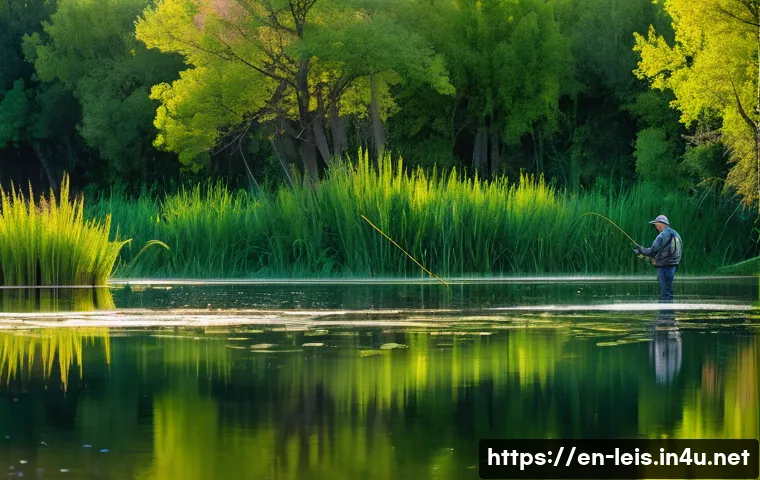
Fishing is more than just a hobby; it’s a seasonal adventure that changes with the rhythms of nature. Different fish species thrive at various times of the year, making it essential to know when and where to cast your line.
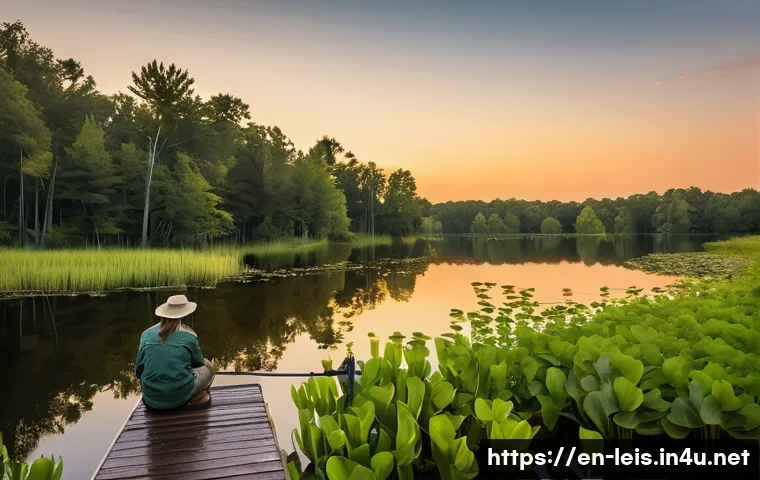
Whether you’re chasing bass in the spring or seeking trout in the cooler months, understanding seasonal patterns can dramatically improve your catch rates.
Plus, knowing the best spots and techniques for each season makes every fishing trip more rewarding and exciting. If you want to up your fishing game and make the most of every outing, let’s dive into the details below.
I’ll walk you through everything you need to know!
Unlocking Seasonal Behavior: How Fish Adapt Throughout the Year
Spring Awakening: Fish on the Move
During spring, the water starts warming up, and fish become more active after a sluggish winter. Species like bass and pike begin their spawning rituals, which means they’re hanging out in shallower waters, making them easier targets for anglers.
From my experience, early morning and late afternoon in spring are the golden hours—fish tend to feed aggressively during these times. It’s also worth noting that post-rain days often trigger feeding frenzies as insects and smaller prey get washed into the water.
So, watching weather patterns closely can give you a serious edge. I remember one spring trip when a sudden warm spell had bass busting the surface like crazy, and it turned an average day into a memorable catch fest.
Summer Strategies: Beating the Heat
Summer brings its own challenges as water temperatures rise and many fish species seek cooler, deeper pockets to escape the heat. This means your usual fishing spots might go quiet, and you’ll need to adjust your tactics.
I’ve found that early mornings, before the sun gets too intense, are best for surface lures, while evenings provide another great window when fish move back towards the shorelines.
Using deeper-diving crankbaits or weighted rigs can help reach fish chilling in the depths. Also, shaded areas under docks, fallen trees, or weed beds become hot spots during scorching days.
Patience is key here—fish can be less active, but with the right approach, summer fishing can still be incredibly rewarding.
Fall Frenzy: Preparing for Winter
As temperatures cool down in fall, fish ramp up their feeding to store energy for the winter months. This is when you’ll notice increased activity in species like trout and walleye.
They start moving closer to shorelines and shallower waters, especially near structures where baitfish gather. Personally, fall fishing is my favorite season because you can often see the fish’s behavior change right before your eyes—like a natural countdown to winter.
Using live bait or soft plastics mimicking small fish or insects can trigger aggressive strikes. Plus, this season often offers crisp, clear water and beautiful scenery, making every outing a win beyond just the catch.
Mastering the Art of Seasonal Tackle and Lure Selection
Matching Lures to Fish Behavior
One of the biggest differences between seasons is how fish respond to lures. In spring, when fish are energized and spawning, bright colors and fast-moving lures tend to work best.
I like using spinnerbaits or jerkbaits with flashy finishes to mimic fleeing prey. Come summer, slower presentations with more natural colors are effective since fish are less aggressive and prefer conserving energy.
Fall calls for a mix of both—sometimes slow and subtle, sometimes fast and erratic—depending on water temperature and light conditions. Over the years, I’ve learned that experimenting with lure speed and color in each season can make a huge difference, so don’t be afraid to switch things up on the water.
Adjusting Rod and Reel Setup by Season
Your gear setup can also impact your success. In warmer months, lighter rods with sensitive tips help detect subtle strikes when fish are finicky. I prefer medium-action rods in spring and fall for versatility, allowing me to cast a variety of lures and handle different fish sizes.
During summer’s deeper water fishing, a heavier rod paired with a reel capable of longer, precise casts and strong drag is essential. Personally, having multiple rods ready for different techniques makes switching strategies seamless, especially when the fish aren’t cooperating.
Investing in quality reels with smooth drag systems pays off over time, especially when battling larger species.
Decoding Hotspots: Where to Fish by Season
Spring Hotspots: Shallow Banks and Flooded Meadows
In spring, fish like to hang out where the water warms quickly—shallow banks, flooded fields, and creek mouths. These areas tend to have plenty of food and shelter, perfect for spawning and feeding.
I remember scouting a local lake one spring and finding bass clustered around submerged brush piles near flooded trees. Spotting these natural structures can dramatically boost your catch rates.
Also, rivers and streams with good flow offer oxygen-rich water, attracting species like trout during their spawning runs.
Summer Hotspots: Deep Pools and Shade
When summer heat sets in, the best fishing spots shift to deeper pools, underwater drop-offs, and shaded zones like under docks or bridges. I’ve found that fish often gather near cooler inflows or springs during hot days.
Using a fish finder or depth chart can help locate these prime spots. Additionally, weed beds and lily pads provide cover and food, making them ideal ambush points for predatory fish.
Don’t overlook night fishing either; cooler nighttime temperatures bring fish closer to shorelines.
Fall Hotspots: Transition Zones and Feeding Grounds
In fall, look for transition zones where shallow feeding areas meet deeper refuge spots. Points, submerged humps, and creek channels are prime real estate as baitfish schools move around.
I like to target areas with a mix of rocky and sandy bottoms because they attract a variety of species. Fall also tends to bring clearer water, so stealth becomes important—lighter line and subtle presentations increase your chances.
If you’re fishing lakes, early morning sunrises often reveal surface activity as fish feed aggressively.
Seasonal Weather and Water Conditions Impact
Understanding Temperature Effects on Fish Metabolism
Fish are cold-blooded, so their metabolism directly depends on water temperature. In cold months, their activity slows, meaning they feed less and move slower.
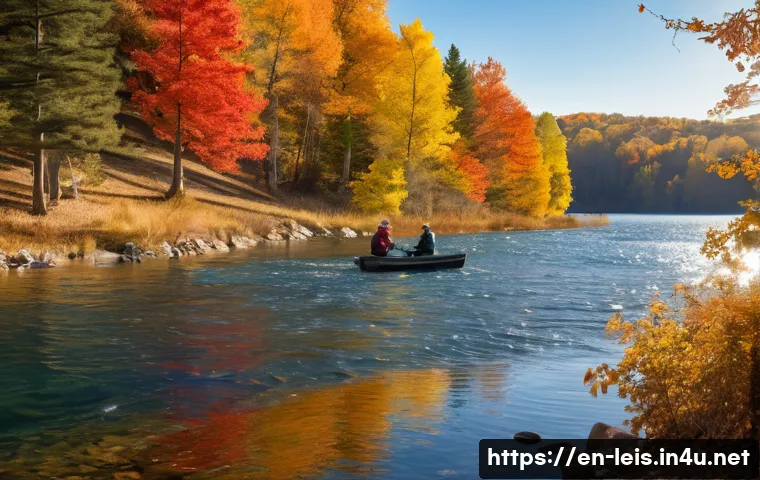
Conversely, warmer water speeds up metabolism and makes fish more aggressive. This is why spring and fall often offer the most productive fishing—temperatures are ideal for active feeding without the lethargy of summer heat or winter chill.
From my experience, tracking water temperature daily with a simple thermometer can help predict fish behavior and improve timing.
Rain, Wind, and Barometric Pressure Influence
Weather conditions like rain and wind can stir up the water and influence fish feeding patterns. A gentle rain can oxygenate the water and wash food into lakes and rivers, triggering feeding sprees.
However, heavy storms often make fish retreat to deeper, calmer waters. Changes in barometric pressure also play a role—fish tend to bite best during stable or slowly falling pressure.
I’ve noticed that after a cold front passes, fishing can slow down for a day or two until conditions settle. Learning to read these subtle environmental cues can make your trips more successful.
Seasonal Safety and Preparation Tips for Anglers
Gear and Clothing for Changing Weather
Fishing across different seasons means facing a variety of weather conditions. In spring and fall, layering is key—mornings can be chilly while afternoons warm up quickly.
I always pack waterproof jackets and insulated boots during these transitional seasons. Summer calls for sun protection—hat, sunscreen, and breathable clothing to stay comfortable.
Winter fishing requires thermal layers and waterproof gloves to keep you safe and focused. Being prepared for weather changes not only keeps you comfortable but also extends your time on the water.
Water Safety and Navigational Awareness
Seasonal shifts can affect water levels and currents, especially in rivers and reservoirs. Spring runoff can create strong currents or flooding, so always check local conditions before heading out.
Wearing a life jacket is non-negotiable, regardless of season. I’ve had moments where unexpected waves or wind gusts made boat control tricky, and being cautious saved the day.
Also, having a GPS or detailed map helps avoid hazards and locate fishing hotspots efficiently. Safety should always be your top priority to keep the adventure enjoyable.
Seasonal Fish Feeding Patterns and Timing
Daily Feeding Rhythms and Optimal Fishing Times
Fish don’t just follow seasonal patterns—they have daily feeding rhythms influenced by light and temperature. Dawn and dusk are often peak feeding times because low light makes fish feel safer venturing out.
Midday fishing can be tough during summer but works well in cooler months. Personally, I schedule my trips around these windows and adjust based on water clarity and weather.
For example, cloudy days extend feeding periods, giving you more time to catch fish. Understanding and respecting these natural cycles can elevate your fishing success dramatically.
Seasonal Shifts in Diet and Bait Selection
Throughout the year, fish change what they eat depending on availability. Spring brings an abundance of insects and small baitfish, so using lures that mimic these works well.
Summer shifts often mean fish target smaller fish and crustaceans hiding in shaded areas. In fall, larger baitfish become the primary food source as fish bulk up for winter.
I always try to match my bait to what’s naturally present in the water during each season, which makes my presentations more convincing. Paying attention to local insect hatches or baitfish movements can be a game-changer.
| Season | Best Fishing Times | Preferred Fish Species | Effective Lure/Bait Types | Top Fishing Locations |
|---|---|---|---|---|
| Spring | Early morning, late afternoon | Bass, Pike, Trout | Spinnerbaits, Jerkbaits, Live bait | Shallow banks, flooded meadows |
| Summer | Dawn, dusk, night | Bass, Catfish, Walleye | Deep-diving crankbaits, Soft plastics | Deep pools, shaded docks |
| Fall | Morning, late afternoon | Trout, Walleye, Bass | Soft plastics, Live bait, Jigs | Points, humps, creek channels |
| Winter | Midday | Trout, Pike, Perch | Ice fishing jigs, Small spoons | Deep holes, slow-moving water |
In Closing
Understanding how fish adapt throughout the seasons can transform your fishing experience. By tuning into their behavior, adjusting your gear, and choosing the right spots, you’ll enjoy more productive and enjoyable outings. Remember, patience and observation are your best allies on the water. With each season offering unique opportunities, the adventure never gets old.
Useful Tips to Keep in Mind
1. Always check water temperature daily to anticipate fish activity and improve your timing.
2. Match your lure colors and speeds to the season to trigger more strikes and keep fish interested.
3. Scout for natural structures like submerged brush or shaded areas where fish seek shelter.
4. Layer your clothing and pack weather-appropriate gear to stay comfortable and safe during changing conditions.
5. Pay attention to weather patterns such as rain and barometric pressure, as they can greatly affect feeding behavior.
Key Takeaways for Successful Seasonal Fishing
Seasonal fishing success hinges on understanding fish behavior, water conditions, and adapting your techniques accordingly. Early mornings and late afternoons are prime times, especially in spring and fall when fish are more active. Gear adjustments, including rod sensitivity and lure selection, play a crucial role across different temperatures. Safety should never be overlooked—always prepare for weather changes and water hazards. Finally, stay flexible and observant; the best anglers read the environment and adjust on the fly to keep the action going.
Frequently Asked Questions (FAQ) 📖
Q: When is the best time of year to fish for bass?
A: Spring is widely considered the prime season for bass fishing. As water temperatures rise, bass become more active and move into shallower waters to spawn, making them easier to find and catch.
Early mornings and late evenings during this time are especially productive because bass tend to feed more aggressively. From my experience, targeting bass in spring with topwater lures or soft plastics can really boost your chances of a great catch.
Q: How do seasonal changes affect trout fishing?
A: Trout are highly sensitive to water temperature and oxygen levels, so they tend to thrive in cooler months like fall and early spring. During summer, they often retreat to deeper, colder parts of lakes or streams, making them trickier to catch.
I’ve noticed that fishing for trout in the cooler seasons with smaller, natural baits or flies can be incredibly effective. Adjusting your tactics to match the season’s conditions is key to landing more trout.
Q: What are some effective techniques for fishing in different seasons?
A: Different seasons call for different strategies. In spring and fall, when fish are more active near the surface or in shallower water, using lures that mimic baitfish or insects works well.
Summer often requires fishing deeper with heavier tackle or using live bait, since many species seek cooler depths. Winter fishing typically involves slower presentations and focusing on species that stay active in cold water.
I’ve found that being flexible and adapting your gear and approach to the season really pays off in both catch rates and enjoyment.