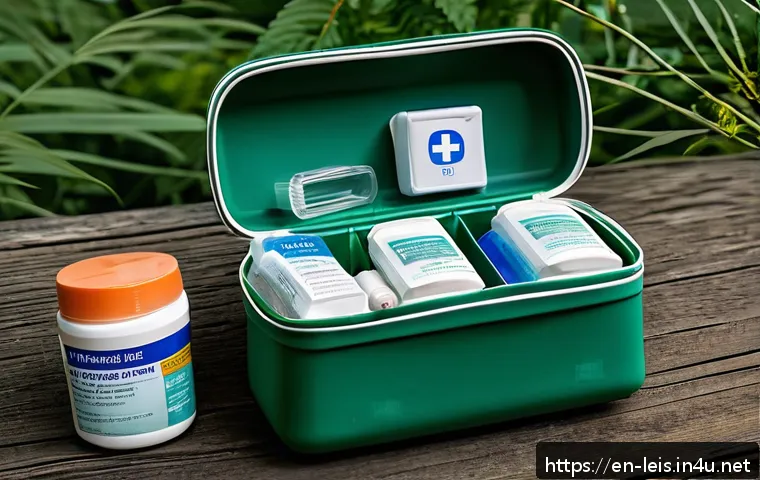
With outdoor adventures gaining popularity faster than ever, being prepared for unexpected health hiccups on the trail has never been more crucial. Whether you’re tackling a rugged mountain path or a serene forest trek, having the right medications at hand can make all the difference between a smooth journey and a stressful emergency.
Lately, hikers are paying extra attention to their first aid kits, especially as weather patterns become unpredictable and remote locations more accessible.
In this post, I’ll share essential hiking medications that you absolutely shouldn’t leave behind, based on real experiences and expert advice. Stick around to discover how a well-stocked medicine kit can keep your adventure safe and enjoyable from start to finish.
Choosing the Right Pain Relievers for Trail Emergencies
Understanding Your Options: OTC Painkillers
When you’re out on the trail, a sudden headache, muscle ache, or joint pain can quickly turn a fun hike into a frustrating ordeal. Over-the-counter painkillers like ibuprofen, acetaminophen, and aspirin are the go-to choices for most hikers.
Ibuprofen is great because it not only reduces pain but also tackles inflammation, which is often the culprit behind sore muscles after a long day. Acetaminophen is gentler on the stomach, making it a good alternative if you have sensitivities or if you’re hiking on an empty stomach.
Aspirin, while effective, should be used cautiously, especially if you have bleeding disorders or stomach issues. Personally, I always pack ibuprofen because I’ve found it works best for the typical muscle soreness and occasional headaches I get after a tough climb.
When Prescription Medications Become Necessary
While OTC meds cover most minor aches, some hikers might require prescription options, especially if they have chronic conditions or allergies. For example, if you suffer from migraines, bringing your prescribed triptans can be a lifesaver.
Antibiotics prescribed for skin infections or wounds are another example; having them handy can prevent minor cuts from escalating into serious infections, especially when you’re hours away from medical help.
If you’re someone who’s prone to severe allergic reactions, carrying an epinephrine auto-injector (EpiPen) is non-negotiable. From personal experience, a friend of mine once needed their EpiPen after a bee sting, and having it on hand made all the difference.
Proper Storage and Dosage on the Trail
Medications are only effective if they’re stored properly and taken at the right times. Heat, moisture, and direct sunlight can degrade pills, so keeping them in waterproof, insulated containers is key.
I use a small dry bag with silica gel packets to keep moisture at bay. Also, sticking to the recommended dosage is crucial; overdosing can lead to side effects that could worsen your situation, especially when you’re isolated.
For example, taking too much ibuprofen can cause stomach upset or kidney issues, which are the last things you want on a multi-day trek. Planning your medication schedule around your hiking pace and meal times helps maintain effectiveness and keeps you feeling your best.
Essential Medications for Digestive Issues on the Trail
Common Causes of Digestive Discomfort While Hiking
Digestive troubles are among the most common complaints on the trail, often triggered by unfamiliar foods, dehydration, or stress. Even the most experienced hikers can suffer from upset stomachs, diarrhea, or constipation when their bodies react to new environments or changes in diet.
Personally, I’ve noticed that skipping meals or drinking untreated water can quickly lead to cramps or nausea. Understanding these triggers can help you prepare the right medications to counteract symptoms quickly and keep your adventure on track.
Medications to Manage Diarrhea and Constipation
Anti-diarrheal medications like loperamide are a staple for many hikers, helping to reduce the frequency of loose stools and prevent dehydration. On the flip side, constipation can be just as uncomfortable and is often caused by dehydration or lack of fiber.
Mild laxatives or stool softeners can provide relief without causing harsh cramping. I always carry a small pack of both types because trail conditions and food options can be unpredictable.
Additionally, electrolyte packets are invaluable for replenishing minerals lost through diarrhea or heavy sweating.
Dealing with Nausea and Motion Sickness
Though less common, nausea can strike hikers after steep descents or when altitude sickness kicks in. Over-the-counter antiemetics like dimenhydrinate or meclizine can help manage these symptoms effectively.
I remember a time when sudden altitude sickness hit me on a mountain trail, and having anti-nausea medication prevented me from feeling helpless and allowed me to descend safely.
Ginger tablets or candies also work well as natural remedies for mild nausea and are easy to pack.
Protecting Your Skin: Medications for Allergies and Sun Exposure
Managing Allergic Reactions on the Trail
Outdoor environments expose hikers to various allergens such as pollen, insect bites, and plant irritants like poison ivy. Antihistamines are a must-have to combat itching, swelling, and other allergic symptoms.
I always pack non-drowsy options for daytime use, so they don’t interfere with alertness. For more severe reactions, topical corticosteroids or hydrocortisone creams can reduce inflammation and itching quickly.
In my experience, treating a rash early with these creams prevented it from spreading and ruining the rest of my hike.
Sunburn Relief and Prevention
Sunburn can sneak up on you, especially at higher altitudes where UV exposure is more intense. While prevention with sunscreen is critical, having aloe vera gel or other soothing creams in your kit helps alleviate the burning and peeling afterward.
Applying these treatments as soon as you notice redness can speed up healing and make you more comfortable overnight. I’ve learned the hard way that ignoring sunburn only makes the next day miserable, so I never leave without a small tube of aloe vera.
Insect Bite and Sting Treatments
Insects are part of the outdoor experience, but their bites can cause discomfort or even serious allergic reactions. Antihistamine creams, calamine lotion, and sting relief pads are effective for soothing bites and stings.
For those particularly sensitive, an oral antihistamine helps reduce systemic reactions. Personally, I carry sting relief pads because they provide immediate cooling and pain relief, which is a game changer when you’re miles from help.
Antiseptics and Wound Care Essentials
Cleaning and Disinfecting Cuts and Scrapes
Small wounds are inevitable on rough trails, and proper cleaning is crucial to prevent infection. Antiseptic wipes or solutions like iodine or chlorhexidine are my top picks because they kill a broad range of bacteria quickly.
I always clean wounds immediately, even if they seem minor, because dirt and debris can lead to serious infections. I recall a fellow hiker who ignored a small cut, which later became infected and required a detour to seek medical care.
Don’t let that be you.
Dressing and Bandaging Techniques
After cleaning, covering wounds protects them from dirt and further injury. Adhesive bandages, sterile gauze pads, and medical tape are essentials in any hiking kit.
For blisters, moleskin or blister-specific bandages help reduce friction and pain. I find that having a variety of sizes and types of bandages lets me tailor treatment to the injury.
Knowing how to apply these properly is equally important; wrapping too tightly or loosely can cause complications.
Advanced Wound Care Supplies
For longer hikes or more remote trips, carrying additional supplies like butterfly closures, antiseptic ointments, and antibiotic creams can be invaluable.
These items help close wounds and speed up healing. I always include antibiotic ointment because it provides an extra layer of protection against infection, especially when dust or moisture is unavoidable.
Being prepared with these tools has saved me from several nasty infections and allowed me to keep moving forward.
Medications for Respiratory and Cold Symptoms
Handling Sudden Colds and Allergies
Trail conditions can change rapidly, and cold weather or allergens can trigger respiratory symptoms unexpectedly. Decongestants and nasal sprays help open up airways and relieve sinus pressure, which can be a lifesaver when you need to breathe easier.
I always bring a small bottle of saline spray to keep my nasal passages moist, which reduces irritation from dry air or dust.
Relieving Cough and Throat Irritation
Persistent coughs or sore throats can make hiking miserable. Cough suppressants and throat lozenges provide quick relief and help maintain hydration and comfort.
I prefer lozenges with soothing ingredients like honey or menthol because they calm the throat without causing drowsiness. These small comforts can make a huge difference on long, strenuous days.
When to Seek Medical Attention
While these medications ease minor symptoms, it’s crucial to recognize when professional care is needed. Difficulty breathing, high fever, or persistent chest pain are red flags that require immediate attention.
If you’re hiking in a group, having someone with basic medical training or carrying a communication device can be a lifesaver in these situations. I always make sure my hiking partners know my condition and medication plan before we set off.
Organizing Your Medicine Kit for Easy Access and Efficiency
Prioritizing Items Based on Likelihood and Severity
Not all medications are needed equally on every hike. I sort mine by what’s most likely to be needed—pain relievers and allergy meds at the top—and keep less frequently used items like antibiotics or prescription drugs in a separate pouch.
This system saves time when you need something quickly and reduces the chance of forgetting important meds.
Compact and Waterproof Packaging Solutions
Keeping medications dry and safe from crushing is a challenge on the trail. I use small, waterproof containers with compartments to separate pills, ointments, and bandages.
This setup prevents mix-ups and damage. Over the years, I’ve switched to pill organizers with clear lids so I can instantly see what’s inside without opening everything, which saves precious time.
Tracking Expiration Dates and Replenishing Supplies
Expired medications can lose effectiveness or become unsafe, so regular checks before each trip are essential. I keep a checklist and review it every season, replacing anything that’s outdated or running low.
This habit has saved me more than once from relying on ineffective medicine during a hike. Having a reliable, updated kit gives peace of mind and helps me focus on the trail ahead.
| Medication Type | Common Uses | Recommended Examples | Storage Tips |
|---|---|---|---|
| Pain Relievers | Headaches, muscle aches, inflammation | Ibuprofen, Acetaminophen, Aspirin | Waterproof container, avoid heat |
| Digestive Aids | Diarrhea, constipation, nausea | Loperamide, Mild laxatives, Antiemetics | Keep sealed, away from moisture |
| Allergy & Skin Care | Allergic reactions, sunburn, insect bites | Antihistamines, Hydrocortisone cream, Aloe vera | Cool, shaded storage |
| Wound Care | Cleaning, dressing cuts and blisters | Antiseptic wipes, Antibiotic ointment, Bandages | Separate compartments, dry place |
| Respiratory Medications | Cold symptoms, congestion, cough | Decongestants, Nasal sprays, Cough suppressants | Temperature stable, easy access |
In Conclusion
Choosing the right medications for trail emergencies is essential for a safe and enjoyable hiking experience. Understanding how to use pain relievers, digestive aids, allergy treatments, wound care supplies, and respiratory medications can make all the difference when unexpected issues arise. Proper storage and organization ensure your medicines remain effective and accessible. Preparing thoughtfully helps you stay confident and ready for whatever the trail throws your way.
Helpful Tips to Remember
1. Always pack pain relievers that suit your personal needs, and consider both effectiveness and potential side effects when selecting them.
2. Keep your medications in waterproof, insulated containers to protect them from heat and moisture during your hike.
3. Carry a mix of digestive aids to address common trail issues like diarrhea, constipation, and nausea promptly.
4. Include allergy and skin care products such as antihistamines and soothing creams to manage reactions quickly and comfortably.
5. Regularly check expiration dates and replenish your medicine kit before every trip to ensure safety and reliability.
Key Takeaways for Trail Medicine Preparation
Proper medication selection and storage are critical for managing common trail ailments effectively. Prioritize items based on the likelihood of use and severity of conditions you might face, while keeping them organized for quick access. Remember that self-care medications are only part of your safety plan—knowing when to seek professional help is just as important. Ultimately, being well-prepared empowers you to handle emergencies calmly and continue enjoying your outdoor adventure with peace of mind.
Frequently Asked Questions (FAQ) 📖
Q: What are the must-have medications for a hiking first aid kit?
A: When packing your hiking first aid kit, focus on essentials like pain relievers (ibuprofen or acetaminophen), antihistamines for allergic reactions, antiseptic wipes or ointments to prevent infections, and blister treatments like moleskin or hydrocolloid bandages.
Personally, I’ve found that carrying electrolyte tablets is a game-changer for hydration-related issues, especially on longer hikes. Don’t forget to include any personal prescription medications you require.
These basics cover most common trail ailments and can save your trip from turning into a nightmare.
Q: How should I store and carry medications to keep them effective during outdoor trips?
A: Keeping medications safe from moisture, heat, and physical damage is key. I usually use a small, waterproof, and crush-resistant container to store pills and ointments.
For cold-sensitive meds, a simple insulated pouch or even a small cooler pack works wonders, especially in hot weather. Always check the expiration dates before your trip and replace any outdated items.
Remember, a soggy or overheated pill is as good as no pill at all when you really need it out on the trail.
Q: What should I do if I experience a medical emergency far from help during a hike?
A: First, stay calm and assess the situation carefully. Use your first aid kit to stabilize the injury or illness as best as you can—clean wounds, manage pain, or address allergic reactions quickly.
It’s wise to carry a whistle or signaling device to attract attention if you need rescue. Also, having a fully charged phone with emergency numbers saved, or better yet, a GPS locator device, can be life-saving.
From experience, preparing ahead with knowledge on basic first aid and emergency contacts gives you confidence and improves your chances of a safe outcome.