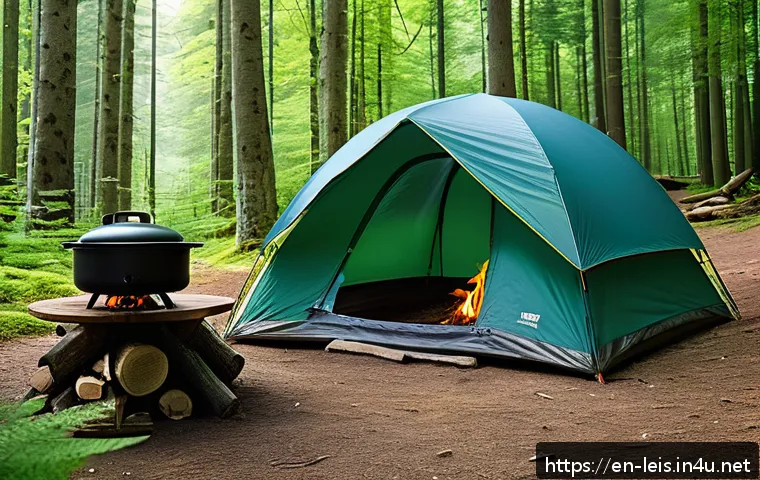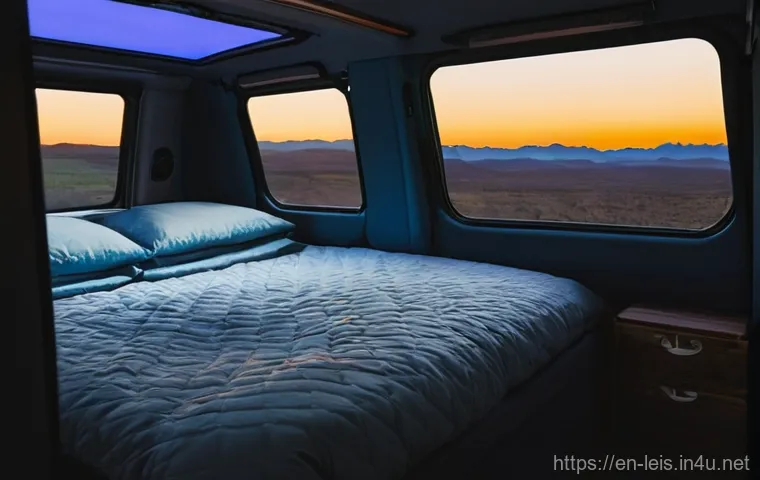
Oh, the open road, the fresh air, the scent of pine, and that incomparable feeling of freedom! If you’re anything like me, you’ve probably caught yourself dreaming about escaping the daily grind, packing up, and heading for the hills or a serene lakeside.
Car camping isn’t just a trend anymore; it’s a lifestyle that’s truly exploded, especially with more of us seeking those flexible, vehicle-based adventures and a deeper connection with nature.
Forget those cramped, lumpy nights of old – today’s car camping is all about comfort, convenience, and getting off the beaten path in style, often with an eco-conscious twist.
From high-tech gear that makes roughing it feel luxurious to innovative vehicles designed for ultimate versatility, the game has changed entirely. I’ve personally spent countless nights under the stars, from buzzing campgrounds to remote, silent spots, and I’ve learned firsthand that your vehicle really is your home away from home.
It’s not just about getting there; it’s about sleeping soundly, cooking up delicious meals, and having all your essentials right at your fingertips. Trust me, I’ve tried squeezing into tight spaces and hauling too much gear, so I deeply understand the difference the right ride makes.
That’s why choosing the perfect car is arguably the most crucial decision you’ll make for your adventures. With so many amazing options out there, from rugged SUVs with integrated power to spacious minivans ready for a full conversion, it can feel a little overwhelming to pinpoint the ideal match for your wanderlust.
But don’t you worry, because I’m here to cut through the noise and share my insights. Below, we’re going to dive deep into the best vehicles for car camping, covering everything from what makes a great car for camping to the latest models hitting the market.
We’ll explore new trends like electric campers, sustainable practices, and smart tech integration that are shaping how we explore. Get ready to discover your next adventure-ready companion!
Let’s get into the specifics right now.The open road, the fresh air, the scent of pine, and that incomparable feeling of freedom! If you are anything like me, you have probably caught yourself dreaming about escaping the daily grind, packing up, and heading for the hills or a serene lakeside.
Car camping is not just a trend anymore; it is a lifestyle that has truly exploded, especially with more of us seeking those flexible, vehicle-based adventures and a deeper connection with nature.
Forget those cramped, lumpy nights of old – today’s car camping is all about comfort, convenience, and getting off the beaten path in style, often with an eco-conscious twist.
From high-tech gear that makes roughing it feel luxurious to innovative vehicles designed for ultimate versatility, the game has changed entirely. I have personally spent countless nights under the stars, from buzzing campgrounds to remote, silent spots, and I have learned firsthand that your vehicle really is your home away from home.
It is not just about getting there; it is about sleeping soundly, cooking up delicious meals, and having all your essentials right at your fingertips.
Trust me, I have tried squeezing into tight spaces and hauling too much gear, so I deeply understand the difference the right ride makes. That is why choosing the perfect car is arguably the most crucial decision you will make for your adventures.
With so many amazing options out there, from rugged SUVs with integrated power to spacious minivans ready for a full conversion, it can feel a little overwhelming to pinpoint the ideal match for your wanderlust.
But do not you worry, because I am here to cut through the noise and share my insights. Below, we are going to dive deep into the best vehicles for car camping, covering everything from what makes a great car for camping to the latest models hitting the market.
We will explore new trends like electric campers, sustainable practices, and smart tech integration that are shaping how we explore. Get ready to discover your next adventure-ready companion!
Let’s get into the specifics right now.
What Really Makes a Vehicle “Car Camping Ready”?
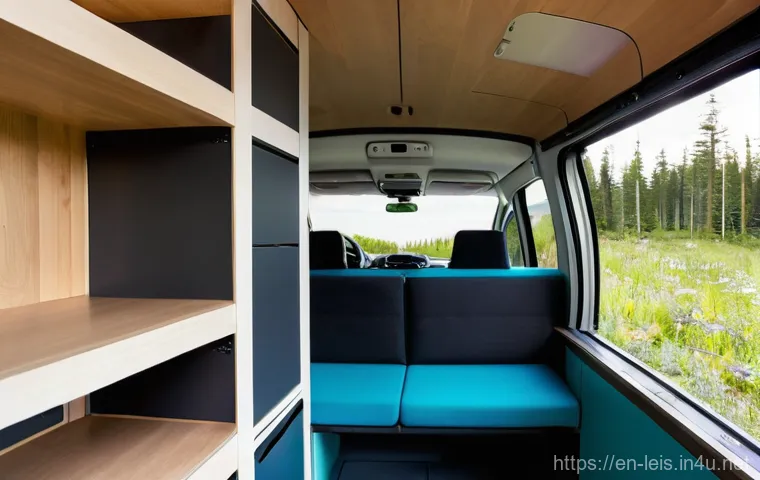
Oh, if I had a dollar for every time someone asked me, “Can *my* car be a camping car?” My answer is almost always, “Yes, absolutely, but some cars just make it so much easier and more enjoyable!” It’s more than just fitting a sleeping bag in the back.
When I’m out there, far from the hustle, I want to feel secure, comfortable, and self-sufficient. For me, the ultimate car camping vehicle needs a few key things: reliable space for sleeping – and I mean proper stretching-out room, not just curling into a ball – smart storage solutions to keep everything from my trusty percolator to my hiking boots organized, and a decent power source for essentials like charging my phone or running a small fan on a warm night.
You know that feeling when you’re rummaging through a messy trunk in the dark? Not ideal! A good camping vehicle smooths out those little frustrations, turning potential headaches into pure relaxation.
It’s about how the vehicle supports your journey, making those spontaneous detours or unexpected overnight stays feel less like a challenge and more like a delightful discovery.
Trust me, I’ve learned this the hard way after one too many nights trying to sleep upright!
Beyond Just Space: The Hidden Essentials
When you’re eyeing up a potential car camping companion, it’s easy to focus solely on how big the trunk is. But I’ve found that the *shape* of the interior matters just as much, if not more, than the sheer volume.
A flat load floor when the seats are down is a game-changer for comfortable sleeping. No one wants to wake up feeling like they’ve been sleeping on a hill!
Also, consider the height of the roof. Being able to sit up comfortably without bumping your head makes a huge difference, especially if you’re stuck inside on a rainy day.
Privacy is another often-overlooked aspect; integrated window covers or even just tinted windows can provide that much-needed sense of seclusion, allowing you to truly unwind.
And don’t forget good ventilation – those mornings can get stuffy fast if you don’t have a way to get some fresh air circulating.
Powering Your Adventure: Electrical Needs
In today’s world, even when you’re trying to disconnect, a little bit of power goes a long way. I’m not talking about running a full-blown entertainment system, but having reliable access to charge your phone, camera, or a portable fan can seriously elevate your experience.
Many modern vehicles come with USB ports or even a household-style outlet, but for serious off-grid camping, you might want to look into a robust portable power station or even a dual-battery setup.
I remember one trip where my phone died, and I needed to check a map in an unfamiliar area – never again! Having a reliable power source means you can keep your devices ready, run small lights, or even a mini-fridge for fresh snacks and drinks.
It’s about blending the comforts of home with the wildness of nature.
The All-Important Sleeping Setup
Let’s be real, a good night’s sleep is paramount to enjoying your car camping trip. If you’re tossing and turning, you’re going to feel it the next day.
This is where the magic happens inside your chosen vehicle. Whether you opt for an inflatable sleeping pad, a custom-built platform bed, or even a rooftop tent, the goal is comfort and warmth.
For me, a well-insulated setup has been crucial, especially when camping in cooler climates. I’ve experimented with everything from thick memory foam toppers to self-inflating mats, and honestly, investing in a quality sleeping solution makes all the difference.
Think about how easy it is to set up and pack away, too. You don’t want to spend precious daylight hours wrestling with bedding, right?
SUVs: The Go-To for Rugged Explorers
Ah, the SUV – the undisputed champion for many aspiring and seasoned car campers. When I first started seriously getting into car camping, an SUV felt like the natural progression from tent camping.
They offer that perfect blend of everyday practicality and weekend adventure-readiness. The higher ground clearance means you can often tackle those less-than-perfect gravel roads leading to hidden gems, and the available all-wheel or four-wheel drive systems provide that extra layer of confidence when the weather turns or the terrain gets tricky.
I’ve personally driven my SUV through unexpected snow flurries and over surprisingly rocky paths, always feeling secure. The sheer versatility is what keeps people coming back; you can throw gear on the roof rack, pull a small trailer, and still have enough interior space for a comfortable night’s rest.
It’s truly a do-it-all kind of vehicle for those who love to explore a bit further off the beaten path.
My Top Picks for Off-Road Comfort
When it comes to SUVs that truly shine for car camping, I’ve got a soft spot for a few models that consistently deliver. The Subaru Outback, for instance, is practically an icon in the car camping community because it balances capability with surprising fuel efficiency, and the roof rails are almost purpose-built for adventures.
Then there’s the Toyota 4Runner; it’s a beast off-road and renowned for its reliability, meaning you can trust it to get you to those truly remote spots and back again.
For something a bit more premium with excellent overlanding capabilities, a Jeep Grand Cherokee or even a Land Rover Discovery can offer a more luxurious base camp.
What I always look for is not just ground clearance, but also a relatively flat cargo area when the rear seats are folded down. This is crucial for a comfortable sleeping platform.
Why 4WD Isn’t Just for Show
Okay, let’s talk about four-wheel drive (4WD) or all-wheel drive (AWD). For some, it might seem like an unnecessary extra, but from my experience, it’s a non-negotiable for true exploration.
It’s not just about tackling extreme off-roading; it’s about peace of mind. That muddy track after an unexpected downpour? No problem.
A sandy beach access road? Easy peasy. I remember one time, I found the most stunning, secluded campsite deep in a national forest, but the access road was incredibly rutted and rocky.
Without my SUV’s 4WD, I would have had to turn back. It opens up so many more possibilities for secluded camping spots that regular sedans just can’t reach, ensuring you get those truly unforgettable, undisturbed moments in nature.
Converting Your SUV into a Cozy Retreat
Transforming your SUV into a comfortable sleeping space is where the fun really begins. Many SUVs offer enough length for most people to sleep comfortably with the rear seats folded flat.
My first SUV setup involved a simple inflatable mattress and some blackout curtains, which worked wonders. As I got more into it, I built a wooden platform that allowed for storage underneath – perfect for stashing my cooler, cooking gear, and extra blankets.
There are also modular systems you can buy that perfectly fit specific SUV models, making the conversion almost plug-and-play. Think about clever storage solutions, like cargo nets for the ceiling or back-of-seat organizers, to keep your essentials within arm’s reach but out of the way.
Every inch counts!
Minivans & Vans: Unlocking Your Mobile Home Potential
When I tell people that my absolute favorite vehicle for car camping is often a minivan or a full-size cargo van, I sometimes get a surprised look. But let me tell you, once you’ve experienced the sheer volume and customizable potential these vehicles offer, there’s no going back for many.
Forget the soccer mom stereotypes; modern minivans like the Honda Odyssey or Toyota Sienna, especially with their Stow ‘n Go seating, transform into incredible blank canvases for camping.
And then, of course, you have the cargo vans – think Mercedes Sprinter or Ford Transit – which are the ultimate foundation for a true home-on-wheels. I’ve seen some incredible conversions that put apartments to shame!
The ability to stand up inside (in many larger vans) or at least comfortably move around without constantly hunching over is a massive luxury, especially on longer trips or during inclement weather.
It truly changes the dynamic from “sleeping in a car” to “living in a mobile space.”
The Unbeatable Versatility of a Van Life Setup
The beauty of a minivan or larger van for camping lies in its unparalleled versatility. Unlike SUVs where you might be limited to a sleeping platform, a van often provides enough head height and width to incorporate a small galley kitchen, a permanent bed, and even a seating area.
This means you can truly *live* in your vehicle, not just sleep in it. I once spent a week touring national parks in a converted Ram ProMaster, and having a tiny sink, a two-burner stove, and a proper cooler all accessible from inside made meal prep a breeze, even when it was raining cats and dogs outside.
It’s about creating a true micro-habitat where you can cook, relax, and sleep without constantly packing and unpacking.
Customizing Your Canvas: Conversion Ideas
This is where the creative juices really start flowing! With a minivan or cargo van, the possibilities for customization are almost endless. You can go for a minimalist setup with just a bed platform and storage boxes, or you can dive deep into a full build-out.
I’ve seen everything from solar panel installations on the roof to small refrigerators, internal plumbing for a shower, and even composting toilets. For minivans, popular conversions often involve removable platforms that still allow for passenger seating when not camping.
For larger vans, think about modular cabinetry, insulated walls for year-round comfort, and integrated lighting systems. The internet is absolutely buzzing with DIY tutorials and inspiration for van conversions, making it an exciting project for any hands-on adventurer.
Everyday Drive, Weekend Warrior
Another fantastic aspect of minivans, in particular, is that they seamlessly transition from your daily driver to your weekend adventure mobile. You don’t need a separate vehicle just for camping.
When the seats are in place, they’re perfect for groceries, school runs, or commuting. But come Friday evening, those seats disappear (or are easily removed), and your cozy camp setup is ready to go.
This dual functionality makes them an incredibly economical and practical choice for many people who love to camp but don’t want the commitment or expense of a dedicated RV or a second “adventure rig.” It’s the ultimate chameleon of the automotive world, ready for whatever your week, or weekend, throws at it.
The Rise of Electric Vehicles in Car Camping
Okay, I know what some of you might be thinking: “An electric car for camping? Are you serious?” And my answer is a resounding “YES!” The landscape of car camping is rapidly evolving, and electric vehicles (EVs) are quickly becoming a game-changer.
What once seemed like a niche idea is now a genuinely compelling option, especially with improvements in range, charging infrastructure, and innovative features.
I recently tried a short camping trip in an electric SUV, and honestly, the experience was surprisingly fantastic. The quietness of the drive, the instant torque for tackling mild inclines, and the sheer joy of knowing I wasn’t burning fossil fuels while exploring nature was incredibly refreshing.
Plus, many EVs come with substantial internal power outlets or the ability to power external devices, which is a dream for campers who need to charge gear or run small appliances without a separate power bank.
It’s still a growing trend, but one I’m absolutely convinced will become mainstream very soon.
Quiet Power: The EV Advantage
One of the most immediate and profound benefits of car camping in an EV is the serene quietness. There’s no engine hum, no exhaust fumes, just the sounds of nature when you’re parked up.
Imagine waking up to birdsong without the drone of a generator or the idle of an engine – it’s pure bliss. I’ve found this makes for a much more peaceful and immersive camping experience.
Beyond that, many electric vehicles offer impressive torque, which can be surprisingly useful for navigating uneven terrain or climbing inclines, even if they aren’t traditional off-road beasts.
The silent approach also means less disturbance to wildlife and fellow campers, making you a more considerate visitor to the natural world.
Range Anxiety? Not So Fast!
The biggest concern I hear about EV camping is “range anxiety,” and I totally get it. No one wants to be stranded in the middle of nowhere. However, charging infrastructure is expanding rapidly, and many popular camping destinations and even some remote areas now have charging stations.
Planning is key, of course, but modern EVs often boast ranges of 250-350 miles on a single charge, which is more than enough for many weekend warrior trips.
Plus, the ability to “trickle charge” at some campsites or even just by plugging into a regular household outlet overnight (albeit slowly) can give you enough juice for the next day’s adventures.
Apps and in-car navigation systems are also incredibly good at showing available charging points, making route planning much less stressful than it used to be.
Sustainable Adventures: Charging on the Go
Electric vehicles perfectly align with a growing desire for sustainable travel. Minimizing your carbon footprint while exploring the outdoors just feels right.
Many EV campers are even integrating portable solar panels into their setup, allowing them to charge their vehicle (slowly) or at least power their auxiliary gear using renewable energy while off-grid.
This commitment to eco-conscious travel extends beyond just the vehicle; it encourages a more mindful approach to camping in general, from minimizing waste to respecting natural habitats.
It’s about leaving no trace, both literally and energetically.
Compact & Crossover Camping: Small Footprint, Big Adventures
Don’t let anyone tell you that you need a huge vehicle to enjoy car camping. I’ve had some of my most memorable adventures in surprisingly compact cars and crossovers!
For many, an oversized SUV or a full-blown van isn’t practical for daily life, nor is it necessary for fantastic outdoor experiences. In fact, there’s a certain charm and efficiency to “micro-camping” in a smaller vehicle.
Think about the fuel savings alone – that means more money for experiences, delicious camp food, or that fancy new headlamp you’ve been eyeing. While you might not be able to stand up inside, with clever planning and a bit of ingenuity, you can create a surprisingly comfortable and functional sleeping and living space.
It’s about maximizing every square inch and embracing a minimalist approach, which, for me, can be incredibly liberating. It forces you to prioritize what truly matters, and honestly, sometimes less truly is more when you’re out in nature.
Maximizing Tiny Spaces
The trick to successful compact car camping is ingenious space utilization. When your vehicle has a smaller footprint, you become a master of organization.
I’ve seen people build custom sleeping platforms that double as storage, using modular bins that fit perfectly under the bed. The back seats often fold down to create a surprisingly long, though perhaps not wide, sleeping area.
The key is to think vertically: cargo nets for the ceiling, seat-back organizers, and even small magnetic hooks for keys or headlamps. My personal favorite hack is using a rooftop cargo box or a hitch-mounted cargo carrier to offload bulkier items like camp chairs or extra firewood, freeing up crucial interior space for living and sleeping.
Fuel Efficiency Meets Wanderlust
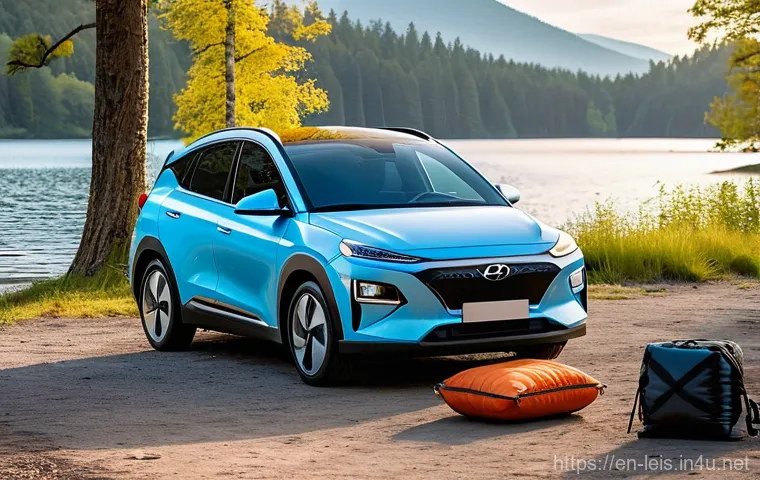
Let’s face it, gas prices can really add up, especially when you’re road-tripping for weeks on end. This is where compact SUVs and crossovers truly shine.
Their better fuel efficiency means you can cover more ground for less money, allowing you to explore more distant national parks or take those scenic detours without wincing at the pump.
Vehicles like the Honda CR-V, Toyota RAV4, or Subaru Forester offer excellent mileage while still providing a decent amount of cargo room and often optional all-wheel drive for tackling light trails.
It’s a fantastic compromise for those who want adventure without the hefty running costs of a larger vehicle.
Creative Storage Solutions
With a smaller vehicle, creative storage isn’t just a suggestion, it’s a necessity. I’ve gotten really good at using every nook and cranny. Beyond the custom platforms and rooftop carriers, consider collapsible gear – foldable tables, chairs, and even water containers save a ton of space.
Compression sacks for sleeping bags and clothes are another lifesaver. And don’t underestimate the power of packing cubes to keep your clothes organized and contained.
Thinking outside the box (or inside the car, rather!) allows you to bring everything you need without feeling cramped.
Essential Modifications for Any Car Camping Rig
Alright, so you’ve got your car, you’re buzzing with excitement for those starry nights, but before you hit the road, let’s talk about those little tweaks and upgrades that truly transform a good car into an *amazing* car camping rig.
I’ve spent countless hours tinkering with my own vehicles, and through trial and error (oh, the errors!), I’ve discovered that a few key modifications make all the difference in comfort, convenience, and overall enjoyment.
These aren’t necessarily huge, expensive overhauls; sometimes, the simplest additions can have the biggest impact. It’s about personalizing your space to perfectly suit your style of adventure, making every trip feel a little more like home, no matter how far off the grid you venture.
Trust me, these tips come from years of lived experience under the open sky!
Storage Savvy: Racks and Organizers
Effective storage is the bedrock of a happy car camper. You don’t want to be constantly shifting bags around just to access a water bottle or your cooking stove.
A good roof rack or a hitch-mounted cargo carrier can free up invaluable interior space, allowing you to comfortably sleep inside without tripping over gear.
Inside, I swear by cargo nets for the ceiling, which are perfect for light items like clothes or towels, and seat-back organizers for keeping smaller essentials like maps, headlamps, and charging cables tidy.
For deeper storage, invest in clear, stackable plastic bins. Being able to see what’s inside saves so much time and frustration, especially when you’re trying to find something in the dark.
Comfort Upgrades You Can’t Live Without
After a long day of hiking or exploring, comfort becomes paramount. Forget those flimsy air mattresses of yesteryear; a quality sleeping pad, like a thick self-inflating one or a custom-cut memory foam mattress, is a game-changer.
I also highly recommend good window covers – either DIY magnetic ones made from reflectix or custom-fit blackout shades. They provide privacy, block out unwanted light, and add insulation.
For those chilly nights, a small portable propane heater (with proper ventilation, of course!) can make your space incredibly cozy, and a decent battery-powered fan is a lifesaver on hot evenings.
Don’t underestimate the power of good lighting, either; string lights or touch-sensitive LED puck lights can create a warm, inviting ambiance.
DIY Power Solutions
While some high-end vehicles offer integrated power, many of us need to create our own. A portable power station (often called a “power bank” or “solar generator”) is arguably the most essential upgrade.
These units are fantastic because they can be charged via your car’s 12V outlet while driving, at home, or even with a portable solar panel when you’re parked up.
They’re perfect for charging phones, laptops, running a small fridge, or powering lights. For more advanced setups, a dual-battery system installed by a professional allows your accessories to draw power from a separate auxiliary battery, so you never have to worry about draining your main starter battery and being unable to start your car.
It gives you incredible freedom and peace of mind.
Budget-Friendly Beasts: Camping on a Dime
Car camping doesn’t have to break the bank, and honestly, some of my favorite memories come from trips where I spent the least amount of money on the setup itself.
There’s a real satisfaction in proving that you don’t need the latest, most expensive rig to have an incredible adventure. It’s about smart choices, a bit of elbow grease, and embracing the “less is more” philosophy.
I’ve seen some truly ingenious budget conversions that put fancy, high-tech setups to shame, simply because they’re built with heart and resourcefulness.
The beauty of car camping is its inherent affordability compared to RVs or hotel stays, and with a little savvy, you can stretch your adventure budget even further, opening up possibilities for longer trips or more frequent escapes.
Smart Used Car Shopping for Campers
The first step to budget-friendly car camping often starts with the vehicle itself. Instead of buying new, consider a reliable used car. Look for models known for their longevity and spacious interiors, even if they’re a few years old.
The Honda CR-V, Toyota RAV4, older Subarus, or even a used minivan like a Dodge Grand Caravan with its Stow ‘n Go seats can be fantastic, affordable starting points.
When you’re shopping, focus on the mechanical condition, of course, but also specifically check if the rear seats fold reasonably flat and if there’s enough length for you to stretch out.
A vehicle that might be a bit dated aesthetically but is mechanically sound and offers good interior space is a winner in my book.
Simple Hacks for Affordable Comfort
You don’t need fancy custom cabinetry to be comfortable. A cheap foam mattress topper cut to size, covered with a durable fabric, can create a surprisingly cozy sleeping surface.
Blackout curtains can be made from inexpensive fabric or Reflectix insulation, held in place with magnets or velcro. For cooking, a simple single-burner propane stove and a small cooler can get you through most trips.
And don’t underestimate the power of a good blanket! I’ve also found that LED fairy lights, powered by AA batteries, add a lovely, inviting glow to the interior for just a few dollars.
It’s about leveraging everyday items and repurposing them for your adventure needs.
The “Less is More” Philosophy
Embracing minimalism isn’t just a trend; it’s a practical approach to budget-friendly car camping. The less gear you have, the less you need to buy, the less you need to organize, and the less fuel you’ll burn.
Focus on multi-purpose items: a bandana can be a head covering, a pot holder, or a napkin; a sturdy cooler can double as a bench or table. Before each trip, ask yourself, “Do I *really* need this, or can I make do without it?” You’ll be surprised how little you truly need to have an incredible time.
This approach also leaves more room for spontaneity and less stress about packing and unpacking.
Future-Proofing Your Adventures: Tech & Sustainability
As someone who’s constantly on the road and connecting with nature, I’m always looking ahead. What’s next for car camping? How can we make our adventures even better, more convenient, and more importantly, more responsible?
The answer, I believe, lies at the intersection of smart technology and sustainable practices. We’re seeing incredible innovations that not only enhance our comfort and safety but also help us minimize our impact on the beautiful places we visit.
From advanced navigation systems that help us find hidden gems without getting lost to eco-friendly gear and practices, the future of car camping is looking incredibly bright and green.
It’s not just about exploring; it’s about exploring thoughtfully and intelligently.
Smart Tech for Smarter Camping
Modern technology is making car camping safer and more enjoyable than ever. Think beyond just your smartphone. Advanced GPS and mapping apps, for example, can show you topographical maps, off-road trails, and even crowd-sourced campsite reviews, helping you discover incredible spots you might otherwise miss.
Portable solar panels are becoming more efficient and affordable, allowing you to keep your devices charged and power small appliances sustainably. Vehicle-to-load (V2L) technology in some newer EVs is a game-changer, turning your car into a massive power bank.
Even simple things like magnetic, dimmable LED lights or an emergency satellite messenger for truly off-grid adventures can make a huge difference in both convenience and peace of mind.
Embracing Eco-Conscious Exploration
The beauty of car camping is connecting with nature, and it’s our responsibility to protect it. Sustainable practices are no longer just a nice-to-have; they’re essential.
This means embracing principles like “Leave No Trace” – packing out everything you pack in, staying on designated trails, and respecting wildlife. Beyond that, consider investing in reusable items over disposables, using biodegradable soaps, and minimizing your water usage.
If you’re considering an EV, that’s a huge step towards reducing your carbon footprint. Even small choices, like using a portable solar shower instead of a gas-powered one, contribute to a more environmentally friendly adventure.
Staying Connected, Safely Off-Grid
There’s a beautiful paradox in wanting to disconnect from daily life while still having the option to connect if needed. For safety and planning, having a reliable way to communicate or access information, even when off-grid, is crucial.
Satellite messengers or personal locator beacons (PLBs) are invaluable for emergencies in areas without cell service. Wi-Fi hotspots, either built into your vehicle or portable, can provide internet access for checking weather forecasts, downloading maps, or even remote work if you’re a digital nomad.
It’s about finding that perfect balance where you can immerse yourself in nature without feeling completely cut off, giving you the freedom to explore with confidence.
| Vehicle Type | Typical Sleeping Capacity (Comfortable) | Primary Car Camping Advantage | Considerations |
|---|---|---|---|
| SUVs | 1-2 Adults | Off-road capability, higher ground clearance, balance of daily utility & adventure | Limited interior standing room, can be less fuel-efficient than crossovers |
| Minivans | 2-3 Adults | Exceptional interior volume, stealth camping potential, easy to customize/convert | Lower ground clearance, less off-road capability, may require seat removal for optimal space |
| Full-Size Vans | 2-4 Adults | Maximum interior space, standing room, full build-out potential, true ‘home on wheels’ | Larger footprint, can be challenging to drive/park, higher purchase & fuel costs |
| Crossovers | 1-2 Adults (cozy) | Good fuel economy, easier to maneuver, balances comfort with mild adventure | Limited interior space, less capable off-road than traditional SUVs |
| Electric Vehicles | 1-2 Adults (varies by model) | Quiet operation, sustainable travel, potential for onboard power outlets | Range anxiety in remote areas, charging infrastructure availability, higher upfront cost |
글을 마치며
Whew, we’ve covered a lot, haven’t we? From rugged SUVs to surprisingly spacious minivans, the silent revolution of EVs, and even the clever charm of compact crossovers, it’s clear there’s a perfect car camping companion out there for just about everyone. What truly makes a vehicle “car camping ready” isn’t about fitting a specific mold, but rather how it empowers *your* unique adventure style. It’s about personalizing your space, embracing smart solutions, and knowing that when the urge to explore strikes, your trusty ride is ready to transform into your cozy home away from home. I’ve found that the best adventures are the ones you make your own, and with these insights, I truly hope your next car camping journey is your most comfortable and unforgettable yet!
알아두면 쓸모 있는 정보
1. Prioritize Your Sleep Setup: A good night’s rest is non-negotiable for an enjoyable trip. Invest in a quality sleeping pad or mattress that fits your vehicle and preferences. Don’t skimp here; your body will thank you!
2. Master the Art of Organization: Clutter is the enemy of a peaceful camp. Utilize cargo nets, clear bins, and seat-back organizers to keep essentials accessible and your living space tidy. This is a game-changer for reducing stress.
3. Secure Your Power Needs: Whether it’s a portable power station or a dedicated dual-battery system, reliable electricity for charging devices and running small appliances is crucial. It brings a slice of home comfort to the wild.
4. Consider Privacy and Ventilation: Window covers aren’t just for aesthetics; they provide privacy, block light, and add insulation. Good airflow is also key to preventing stuffiness and condensation, so think about window screens or small fans.
5. Safety First, Always: Before heading out, research your camping spot, let someone know your itinerary, and always lock your doors. Keeping an emergency kit and being ready to move quickly if a situation feels off are essential car camping safety tips.
중요 사항 정리
Ultimately, a “car camping ready” vehicle is one that you’ve adapted to meet your personal needs for comfort, security, and convenience on the road. From the robust capabilities of an SUV to the vast customizable space of a van, the eco-friendly potential of an EV, or the nimble efficiency of a compact crossover, the ideal choice is deeply personal. Key modifications like smart storage solutions, comfortable sleeping arrangements, and reliable power sources significantly enhance the experience. Remember to prioritize safety and sustainability, ensuring your adventures are not only memorable but also responsible. It’s about transforming your everyday vehicle into a personalized basecamp for exploration, allowing you to chase those sunsets and starry nights with absolute freedom and confidence.
Frequently Asked Questions (FAQ) 📖
Q: What are the absolute must-have features I should look for in a car for camping?
A: Oh, this is such a crucial question, and one I get asked all the time! After years of trying to make various vehicles work for camping, I’ve really narrowed down what truly makes a difference out on the road and under the stars.
For me, the top priority is always interior space, especially if you plan on sleeping inside. Look for vehicles with rear seats that fold down completely flat.
Trust me, waking up without a crick in your neck is a game-changer, and having a truly level surface for an air mattress or sleeping pad makes all the difference!
Many modern SUVs and even some minivans offer this, giving you that perfect mobile bedroom. Beyond just sleeping, cargo capacity is huge. You’re going to want room for your cooler, cooking gear, chairs, and maybe even a dog or two!
I’ve learned the hard way that trying to Tetris everything into a small trunk can quickly turn fun into frustration. Think about roof racks or rails too; they’re fantastic for bulky items like kayaks, bikes, or even a rooftop tent if you want to elevate your sleeping experience.
Then, there’s the adventure factor: all-wheel drive (AWD) or 4×4. While you might not always be tackling extreme off-roading, having that extra traction has saved me from getting stuck on muddy tracks or sandy campsites more times than I can count.
It just opens up so many more possibilities for those remote, beautiful spots. And don’t forget power outlets! Having USB ports or even a household-style outlet to charge your devices, run a portable fan, or even a small electric kettle makes the experience so much more convenient.
Finally, reliable climate control is a true luxury – whether it’s keeping cool in the summer heat or staying warm on a chilly night, it significantly boosts your comfort.
These features, in my personal experience, elevate a good car camping trip to an amazing one!
Q: What’s the deal with electric vehicles for car camping?
A: re they really a game-changer, or are there still some kinks to work out? A2: Ah, the electric vehicle (EV) conversation for camping! It’s a hot topic, and for good reason.
From my perspective, EVs are absolutely a game-changer in many ways, but like any new technology, they come with their own set of considerations. What I truly love about EV camping is the sheer tranquility.
Imagine waking up to the sounds of nature, not a rumbling generator or the hum of an engine for climate control. That quiet operation is just magical.
Plus, the zero-emission aspect really resonates with me – it feels good to explore pristine natural areas knowing you’re minimizing your environmental footprint.
Many newer EVs are also coming with incredible camping-friendly features. We’re talking about “camp modes” that keep the climate control running safely all night, flat-folding seats for sleeping, and perhaps the biggest perk: Vehicle-to-Load (V2L) technology.
This means your car is essentially a giant power bank, capable of running everything from an electric grill to your laptop, or even charging other gear.
It’s incredibly liberating to have that much portable power. Models like the Rivian R1T and R1S, the Ford F-150 Lightning, or even the Kia EV9 GT Line are really leaning into this.
However, it’s not all smooth sailing just yet. The main “kink” for many is still range and charging infrastructure. While range anxiety is lessening, especially with vehicles now offering 300+ miles, venturing far off the beaten path requires more planning.
You really need to map out charging stations, and sometimes, those remote spots don’t have fast chargers readily available. Towing can also significantly impact range, so if you’re dreaming of a big trailer, you’ll need to factor that in.
Also, the initial purchase cost for many adventure-ready EVs can be a bit higher. So, while they offer unparalleled peace and convenience, a little extra planning and a slightly larger upfront investment might be part of the picture for now.
But personally, the benefits of silent, eco-friendly power often outweigh these challenges for me!
Q: I’m torn between buying a purpose-built camping vehicle and converting my own. What’s your honest take?
A: Oh, the age-old dilemma of buying versus building! I’ve been there, staring at both options and weighing every single pro and con. My honest take?
It really boils down to your budget, your time, and your comfort level with a wrench and a drill. Let’s talk about building your own first. The absolute best part about a DIY conversion is the customization.
You get to design every single inch to fit your specific needs, your gear, and your unique camping style. I’ve seen some truly incredible bespoke builds, from elaborate kitchens to clever storage solutions that factory models just can’t match.
It can also be significantly cheaper than buying a pre-built model, especially if you have some existing skills in carpentry, electrical, or plumbing, and you don’t mind putting in the “sweat equity.” The pride you feel after sleeping in a space you crafted yourself is truly unmatched!
But, and this is a big “but,” it takes a lot of time and effort. It’s a project, often a long one, and it can be frustrating if you run into unexpected issues.
Plus, if you’re ever thinking about resale, a highly custom or less-than-professionally finished DIY build might not fetch as high a price as a factory option.
On the flip side, buying a purpose-built camping vehicle, or even a professionally converted one, offers immediate gratification and peace of mind. You get a tested, often warrantied product with professional-grade finishes, and usually, built-in safety standards for things like gas and electricity.
Think about the convenience of just driving off the lot and heading straight for your first adventure! While the upfront cost is generally higher, you’re paying for expertise, convenience, and often, better resale value.
Popular options range from adventure-ready SUVs that can handle a rooftop tent to full-on campervans. For me, my first few car camping setups were very DIY, and I loved the learning curve.
But as life got busier, the appeal of a more “ready-to-go” option definitely grew. It’s a trade-off between personal touch and pure convenience – and both are fantastic paths to adventure!