Hey there, fellow adventurers and nature lovers! If you’re anything like me, you’ve probably found yourself scrolling through countless dreamy vacation photos, torn between the rustic charm of traditional camping and the undeniable allure of a luxurious glamping getaway.
It’s a delightful dilemma, isn’t it? As someone who’s personally experienced both—from roughing it under the stars with just a sleeping bag to unwinding in a chic yurt with all the comforts of home—I can tell you that the world of outdoor escapes is more vibrant and varied than ever before.
The outdoor hospitality industry is absolutely booming, continually evolving to meet our changing desires for connection with nature, often without sacrificing those little luxuries we’ve grown accustomed to.
We’re seeing exciting new trends emerge, like a strong focus on sustainable and eco-friendly practices in campsites and glamping resorts, and a growing demand for unique, experience-based travel.
More and more, people are seeking digital detoxes and wellness-focused trips, making both camping and glamping perfect for recharging our minds and bodies.
But how do you pick the perfect escape that truly matches your vibe and your wallet? Is it about challenging yourself with pure wilderness, or embracing comfort while still soaking in the scenery?
The lines can feel a bit blurry sometimes, right? Don’t sweat it, because I’m here to clear things up! Let’s explore the real differences between camping and glamping, diving into what each experience truly offers, and ultimately help you decide which one will create your next unforgettable memories.
We’re going to break down the costs, comfort levels, and unique adventures each style promises. Let’s get into the nitty-gritty and figure out your ideal outdoor escape below!
The Call of the Wild: Unplugging with Traditional Camping
Embracing Simplicity and Self-Reliance
When I first started exploring the great outdoors, there was nothing quite like the raw, unfiltered experience of traditional camping. It’s truly an exercise in shedding the everyday stresses and reconnecting with something more fundamental.
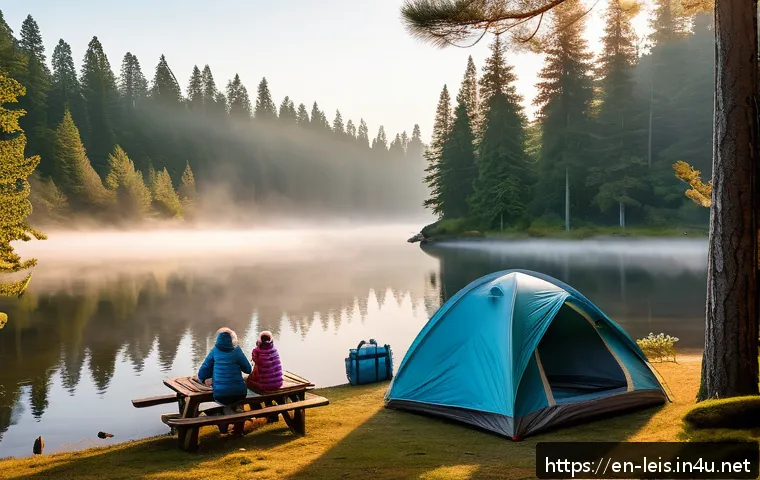
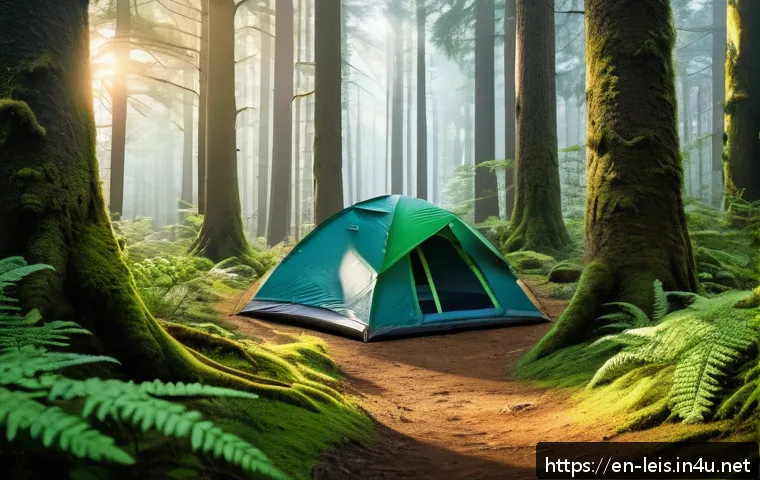
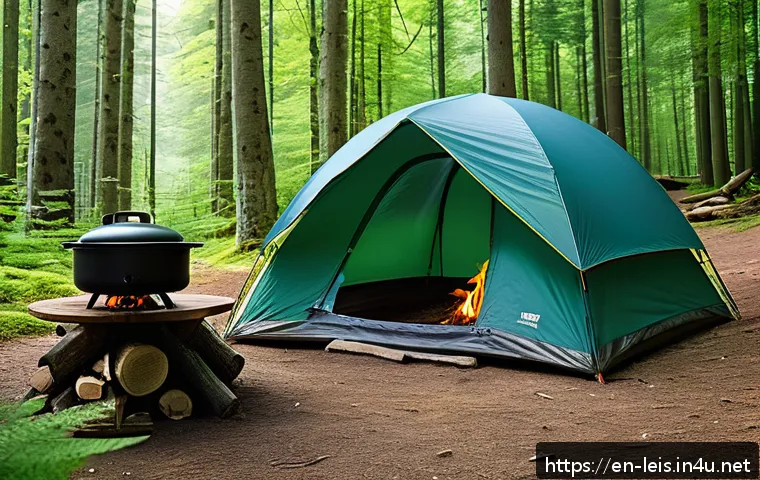
I remember one particularly memorable trip to Zion National Park where we hauled all our gear in, set up our own tent, and cooked dinner over a crackling campfire we’d built ourselves.
There’s a deep satisfaction that comes from being completely self-sufficient, relying on your wits and the gear you’ve meticulously packed. You learn to appreciate the simple things: the warmth of a sleeping bag on a chilly night, the sound of crickets, and the breathtaking clarity of a starry sky far from city lights.
It’s a chance to truly unplug, leave your phone behind (or at least on airplane mode!), and just *be* in the moment. This isn’t just a vacation; it’s an immersive experience that often pushes you out of your comfort zone in the best possible way, fostering a sense of accomplishment and a profound appreciation for nature’s raw beauty.
It’s about building a fire from scratch, navigating by map and compass, and realizing how little you truly need to be happy. For me, these trips have always been about personal growth as much as they are about adventure.
Gear Up: Essential Packing for the Wilderness
Oh, the gear! If you’ve ever gone traditional camping, you know the packing list can be a beast. But honestly, that’s part of the fun for many of us.
I’ve spent countless hours researching the best lightweight tents, durable sleeping bags suitable for various temperatures, and those perfect backpacking stoves that can whip up a warm meal in minutes.
My go-to tent is a sturdy three-person model that has weathered many a summer storm in the Rockies, and I swear by my down sleeping bag for those crisp autumn nights.
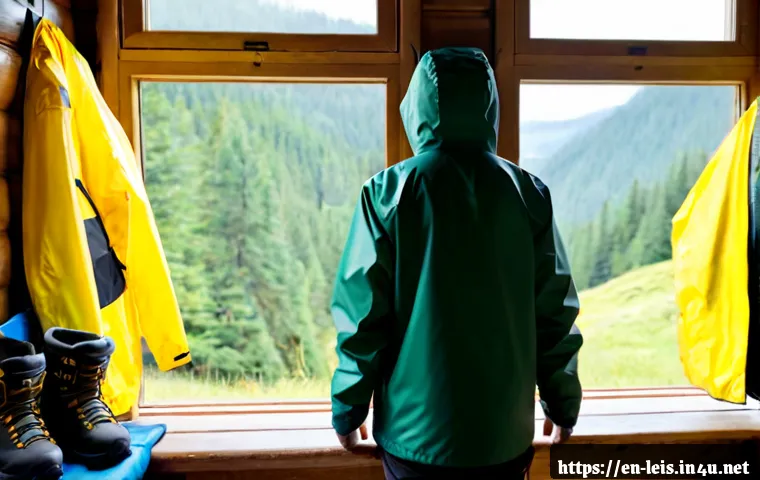
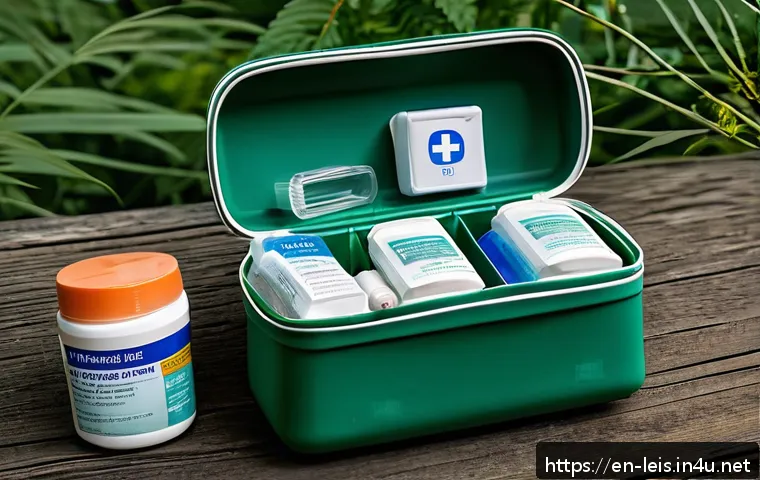
You’re not just packing; you’re assembling your survival kit, tailored to the specific environment you’re heading into. Think about it: a reliable headlamp, a multi-tool, a first-aid kit, comfortable hiking boots, and layers of clothing for unpredictable weather are all non-negotiable.
For a first-timer, it might seem daunting, but trust me, there’s a real joy in becoming an expert packer. What I’ve found is that investing in quality gear upfront saves you headaches and enhances your experience in the long run.
It’s also a great excuse to visit those outdoor specialty stores and chat with fellow enthusiasts about their favorite gadgets and tricks!
Elevated Escapes: The Glamour of Glamping
Indulgence in Nature’s Embrace
Now, let’s talk about glamping – the word itself just sounds a bit more luxurious, doesn’t it? It’s where the untamed beauty of the outdoors meets the comforts of a boutique hotel.
I’ll admit, after a few too many soggy tent trips, the idea of a proper bed and maybe even a hot shower in the wilderness became incredibly appealing.
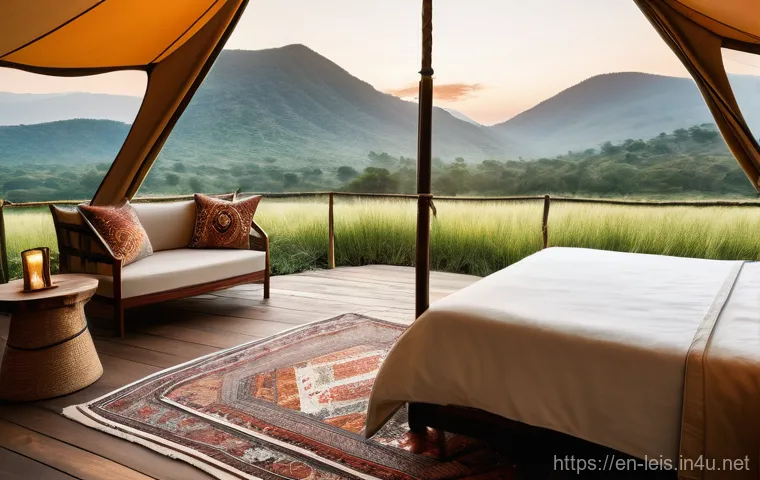
My first glamping experience was in a gorgeous safari tent in California’s wine country, complete with a king-sized bed, plush linens, and even a small patio.
It was absolutely divine! The beauty of glamping is that it truly removes the “roughing it” aspect, allowing you to fully immerse yourself in the natural surroundings without worrying about pitching a tent or battling mosquitoes inside your sleeping bag.
It’s about enjoying a stunning sunset from a beautifully appointed deck, sipping a glass of local wine, and waking up to the sounds of birds without the chill of the morning air seeping into your bones.
For those who love the idea of nature but aren’t keen on sacrificing their creature comforts, glamping is an absolute game-changer. It’s not just camping with better gear; it’s an entirely different philosophy that prioritizes relaxation and aesthetic appeal.
Amenities That Make You Say “Ahhh”
The amenities in glamping spots are truly what set them apart. We’re talking about way more than just a tent and a sleeping bag here. Picture this: heated yurts, fully furnished cabins with private bathrooms, treehouses with balconies, or even geodesic domes offering panoramic views.
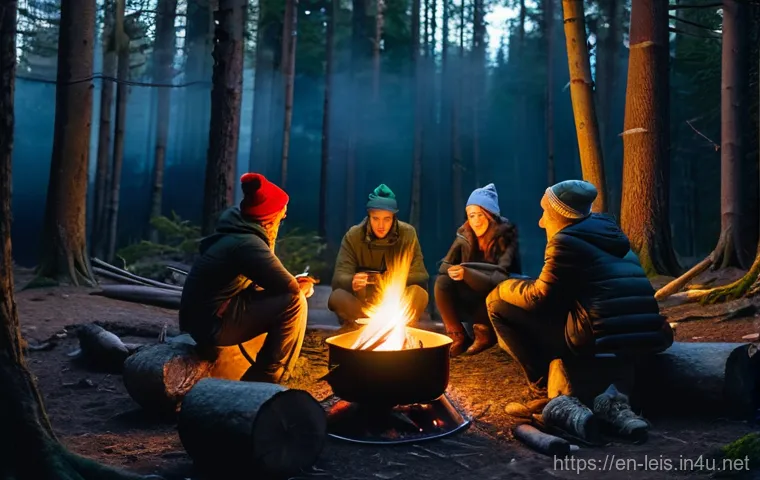
Many glamping sites boast communal fire pits with comfy seating, on-site restaurants serving gourmet meals, and often even spa services or guided activities like yoga and stargazing tours.
I recently stayed in a glamping site in Utah where our tent had a full ensuite bathroom, a small kitchenette, and even Wi-Fi – which, I’ll confess, was a welcome touch for checking in with family.
You’re essentially getting a luxury hotel experience, but with the added bonus of being surrounded by stunning landscapes. This means less time packing and unpacking, and more time actually enjoying your vacation.
Forget lugging heavy coolers; many glamping units come equipped with mini-fridges. And a real bed? After a day of exploring, sinking into a comfortable mattress is pure bliss.
It’s these thoughtful touches that transform an outdoor stay into a truly pampered getaway, making it accessible and enjoyable for even the most hesitant outdoor adventurer.
Dollars and Sense: Your Outdoor Adventure Budget
Bare Bones vs. Boutique Stays: A Cost Comparison
When it comes to budgeting for your outdoor escape, there’s a pretty significant fork in the road between traditional camping and glamping. On one hand, traditional camping can be incredibly wallet-friendly, especially if you already own the basic gear.
Campsite fees in national or state parks can range from a modest $20 to $50 a night, sometimes even less for primitive sites. Your main expenses will be food, fuel for your vehicle, and perhaps a few new pieces of gear if you’re just starting out.
I remember one budget-friendly road trip through the Pacific Northwest where my friends and I kept our nightly lodging costs under $30 by sticking to public campgrounds.
It felt like we were getting an amazing experience for a steal! On the other hand, glamping, by its very nature, comes with a higher price tag. Think of it more like booking a hotel room, but in a unique outdoor setting.
Nightly rates can start anywhere from $100 and easily climb to $500 or more for truly luxurious or unique accommodations, like those stunning treehouses or fully-serviced safari tents.
It’s a premium experience, and the cost reflects the comfort, convenience, and often the curated aesthetics involved.
Hidden Costs and Unexpected Savings
Now, while glamping seems more expensive upfront, there are some hidden costs in traditional camping that can creep up on you. For instance, if you’re new to camping, investing in a good quality tent, sleeping bags, cooking equipment, and safety gear can easily add up to several hundred dollars, if not more.
While these are one-time investments that pay off over multiple trips, they can make your first few camping trips surprisingly pricey. Plus, you need to factor in the cost of firewood, ice, and potentially propane for your stove.
What I’ve learned is to calculate the total cost of ownership for your gear over several trips. For glamping, while the nightly rate is higher, you often save money on gear rentals or purchases, as most things are provided.
You might also save on food costs if your glamping site includes meals or has a fully equipped kitchen, reducing the need for expensive restaurant trips or elaborate outdoor cooking setups.
However, watch out for additional service fees or optional activity costs at glamping resorts. My advice? Always look at the total picture, not just the nightly rate, to get a true understanding of your outdoor adventure budget.
Crafting Your Outdoor Culinary Journey
Fireside Feasts: The Joys of Camp Cooking
For me, one of the absolute highlights of traditional camping is the food! There’s something so primal and satisfying about cooking over an open fire or on a trusty camp stove.
I’ve mastered everything from foil-packet dinners – my famous campfire nachos are legendary among my friends – to hearty skillet breakfasts with bacon and eggs.
It’s not just about eating; it’s an activity in itself, a communal experience where everyone pitches in. The smoky aroma of food cooking over wood, the simple flavors that seem amplified by the fresh air, and the laughter shared around the picnic table are all part of the magic.
What I’ve found is that preparation is key: pre-chopping vegetables, pre-mixing pancake batter, and having all your ingredients organized in sturdy containers makes the process so much smoother.
It’s also an opportunity to get creative with limited resources and discover surprisingly delicious meals. Just remember to always practice Leave No Trace principles and properly dispose of all food waste!
Gourmet Glamping: Dining with a View
Glamping, on the other hand, elevates the outdoor dining experience to a whole new level. While you might still enjoy a campfire, it’s often more for ambiance than for cooking your entire meal.
Many glamping sites offer incredible dining options, from on-site restaurants serving farm-to-table cuisine to gourmet meal kits delivered right to your door.
I remember a particular glamping trip in upstate New York where we had a private chef come to our yurt and prepare a multi-course dinner using local ingredients – it was an unforgettable culinary adventure, complete with wine pairings!
Even if there isn’t a chef, most glamping accommodations come with fully equipped kitchenettes or access to communal kitchens, meaning you can whip up your own meals with ease, using proper appliances and utensils.
No more struggling to wash dishes in a bucket or worrying about running out of propane! This frees you up to enjoy the scenery and focus on relaxation, rather than the logistics of meal prep and cleanup.
It’s about savoring delicious food in a beautiful setting, often without the fuss and mess associated with traditional camp cooking.
Adventures Beyond the Tent Flap
Immersive Experiences: Connecting with Nature
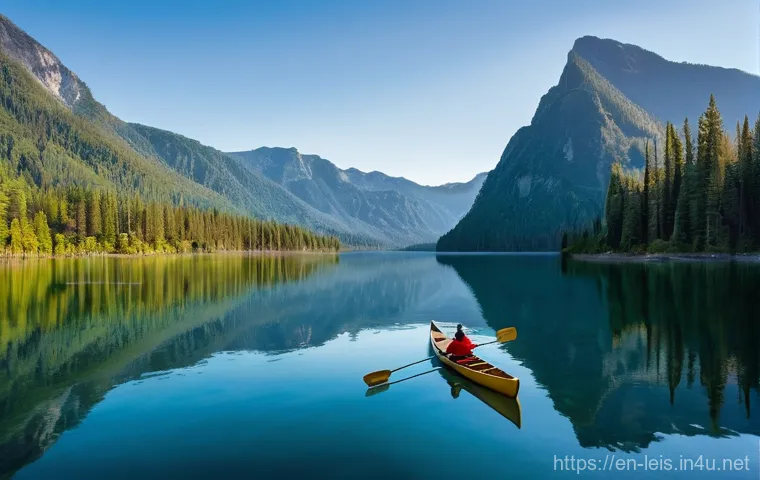
The heart of any outdoor escape is, of course, the adventure! With traditional camping, the world is truly your oyster. My most cherished memories often involve days spent hiking rugged trails, scrambling up rocks, or paddling across serene lakes.
I vividly recall a multi-day backpacking trip in the Canadian Rockies where we navigated through pristine wilderness, spotting wildlife and feeling completely connected to the raw power of nature.
These experiences are often self-directed; you decide where to go, what trails to tackle, and how much challenge you want to embrace. It’s about being truly immersed – waking up to the sound of a nearby stream, feeling the earth under your feet, and experiencing the elements firsthand.
This type of adventure fosters resilience, problem-solving skills, and a deep appreciation for conservation. It’s less about scheduled activities and more about spontaneous exploration, guided by curiosity and the desire to discover what lies around the next bend.
For me, these are the moments where I truly feel alive and most connected to the world around me.
Curated Comfort: Activities at Your Fingertips
Glamping also offers incredible adventures, but often with a bit more structure and convenience. Many glamping resorts are designed with a specific set of activities in mind, offering guided tours, equipment rentals, and workshops that enhance your stay.
Think guided wildlife safaris, horseback riding, kayaking lessons, or even stargazing events led by an astronomer. I once stayed at a glamping resort in Arizona that had a fantastic network of mountain biking trails right on the property, complete with bike rentals.
It was amazing to just wake up, grab a bike, and hit the trails without any prior planning. The beauty of glamping adventures is that they remove a lot of the logistical hurdles.
You don’t need to haul your own kayaks or research local tour operators; often, everything is right there or easily arranged through the resort staff.
This makes it perfect for those who want to experience the thrill of outdoor activities without the hassle of organizing all the details themselves. It’s about having a rich, engaging experience that’s tailored to your interests, all within a comfortable and supportive environment.
Prepping for Your Getaway: Logistics and Planning
Mapping Your Own Path: Traditional Camp Planning
Planning a traditional camping trip can feel like a mini-project management exercise, but that’s exactly what many of us love about it! I typically start by poring over maps, researching trail conditions, and checking weather forecasts for my chosen destination.
Booking campsites, especially in popular national parks, often requires advance planning, sometimes months ahead of time, which I’ve learned the hard way after missing out on a prime spot!
Then comes the gear check: making sure the tent is waterproof, the stove is working, and the first-aid kit is fully stocked. It’s a hands-on process that involves meticulous attention to detail, from planning your meal menus to calculating how much water you’ll need.
What I’ve found is that the more thorough you are in your preparation, the smoother and more enjoyable your trip will be. It’s a chance to fully customize your adventure, choosing everything from your campsite layout to your daily itinerary.
This level of involvement truly makes the trip feel like *yours*, a testament to your own planning prowess and outdoor skills.
Effortless Exploration: The Glamping Booking Process
The planning for a glamping trip is a wonderfully different beast – much more akin to booking a hotel or a vacation rental. Most of the heavy lifting, logistical headaches, and physical preparation are handled for you.
It usually involves a quick online search for “glamping near me” or “luxury outdoor escapes,” followed by browsing beautifully photographed accommodations.
You simply pick your desired dates, select your unit, and book! There’s no need to worry about packing a tent, sleeping bags, or cooking equipment; everything is usually provided.
I remember booking a last-minute glamping getaway for a spontaneous weekend trip, and it was so refreshing not to have to gather all my camping gear. Your biggest decision might be choosing between a safari tent or a cabin, or whether you want a private hot tub!
This streamlined process is perfect for those who want a quick, hassle-free escape from their daily routine without a huge time investment in planning.
It’s about showing up, relaxing, and letting someone else take care of the details, which, let’s be honest, is a huge luxury in itself.
Finding Your Vibe: Comfort, Connection, and Convenience
Roughing It: The Satisfaction of Minimalist Living
At its core, traditional camping is about finding joy in simplicity and embracing a minimalist lifestyle, even if just for a few days. It’s about the satisfaction of setting up your own temporary home, finding warmth by a fire you built, and existing with only the essentials.
I’ve always found a profound sense of peace in stripping away the excess of modern life. There’s a particular feeling of accomplishment that comes from carrying everything you need on your back, navigating challenging terrain, and proving to yourself that you can thrive without all the usual conveniences.
This isn’t just about survival; it’s about connecting with a more resilient version of yourself. The lack of distractions, the quiet moments of reflection, and the shared experiences with fellow campers foster deep connections, not just with nature, but with the people you’re with.
For me, these are the moments where I truly feel grounded and refreshed, far removed from the constant demands of the digital world.
Luxury Unleashed: All the Perks Without the Fuss
Glamping, on the other hand, is about enjoying nature without having to compromise on comfort or convenience. It’s an ideal option for those who crave the beauty of the outdoors but prefer a plush bed, a hot shower, and perhaps even some room service.
It allows you to focus purely on relaxation and enjoyment, without the physical labor or meticulous planning often associated with camping. I mean, who doesn’t appreciate waking up to birdsong and then making a fresh cup of coffee with a proper coffee maker, all while still being surrounded by stunning scenery?
This type of escape is perfect for romantic getaways, family trips where kids might need more amenities, or simply for anyone who wants a luxurious retreat into nature.
It offers an effortless connection to the outdoors, ensuring that every moment is enjoyable and restorative. It’s about experiencing the best of both worlds: the tranquility of nature coupled with the refined pleasures of a comfortable stay.
| Feature | Traditional Camping | Glamping |
|---|---|---|
| Accommodation | Tent (personal setup), RV, hammock | Luxurious tent, yurt, cabin, treehouse, dome (pre-setup) |
| Comfort Level | Basic; sleeping bags, air mattresses, rustic facilities | High; real beds, linens, often private bathrooms, heating/AC |
| Gear Required | Extensive (tent, sleeping bag, stove, cooler, etc.) | Minimal (personal clothing, toiletries); most provided |
| Cost (per night) | Typically $20 – $50 (plus initial gear investment) | Typically $100 – $500+ |
| Effort/Preparation | High (packing, setup, cooking, breakdown) | Low (show up and enjoy) |
| Experience Focus | Self-reliance, rugged adventure, minimalism, raw nature | Relaxation, curated experiences, luxury, comfort in nature |
Wrapping Up Our Adventure
After delving into the distinct worlds of traditional camping and the luxurious allure of glamping, I hope you’ve gained a clearer picture of what each has to offer.
For me, the beauty lies in the sheer variety of ways we can connect with the natural world around us. There’s something incredibly liberating about pitching your own tent, building a fire from scratch, and truly roughing it that speaks to a primal part of our spirit.
It’s an exercise in self-reliance and finding profound satisfaction in simplicity. On the other hand, the sheer comfort and convenience of glamping allow you to experience breathtaking landscapes without sacrificing the creature comforts we often cherish.
I’ve personally found immense joy and rejuvenation in both styles of escape, each offering a unique pathway to peace and adventure. Ultimately, your perfect outdoor getaway is deeply personal, a reflection of what you seek from your time away from the daily grind.
Whether you’re chasing the thrill of the wilderness or the tranquility of a pampered retreat, the call of the outdoors is always there, waiting for you to answer.
What truly matters is embracing the experience and letting nature work its magic.
Handy Tips for Your Next Outdoor Escape
1. Plan Ahead, Always: Whether you’re eyeing a secluded campsite in a national park or a plush glamping yurt, early booking is your golden ticket. Popular spots, especially during peak seasons or holidays, fill up incredibly fast. I’ve learned the hard way that spontaneity sometimes means missing out, so do your research on availability and reservation windows well in advance. Some sites open bookings months or even a year out, so set a reminder!
2. Master the Weather Watch: Seriously, check the forecast religiously! For traditional camping, this dictates your layering strategy, whether you’ll need extra waterproofing, or if you should anticipate chilly nights. For glamping, it might influence your choice of activities or ensure you pack the right loungewear. Unpredictable weather can make or break an outdoor trip, so being prepared for anything from a sudden downpour to a heatwave is crucial for your comfort and safety. Trust me, I’ve been caught unprepared and it’s no fun!
3. Gear Up Smart, Not Hard: For traditional camping, investing in reliable, good-quality gear makes a huge difference. Think durable tents, cozy sleeping bags rated for your expected temperatures, and efficient cooking systems. For glamping, the gear list is significantly shorter, but still pack essentials like comfortable walking shoes, a good book, and maybe some gourmet snacks to enjoy with your view. Don’t forget a reusable water bottle for both, staying hydrated is always key!
4. Embrace “Leave No Trace” Principles: Regardless of your chosen adventure style, respecting nature is paramount. This means packing out everything you pack in, staying on marked trails, minimizing campfire impacts, and respecting wildlife. For glamping, it also extends to being mindful of your energy and water consumption. We’re privileged to enjoy these beautiful spaces, and it’s our collective responsibility to ensure they remain pristine for future generations. It’s a simple ethos, but incredibly powerful.
5. Align Your Adventure with Your Intent: Before you book anything, take a moment to consider what you truly want from this getaway. Are you seeking a challenge, a chance to disconnect completely, or a luxurious escape with stunning backdrops? Your answers will guide you toward the perfect choice. Traditional camping offers raw, immersive experiences, while glamping provides comfort and curated activities. There’s no right or wrong answer, just the one that best suits your current needs and desires for an unforgettable outdoor journey. Reflecting on this has always helped me craft the most satisfying trips.
Key Takeaways to Ponder
So, as we bring our outdoor adventure discussion to a close, remember that the choice between traditional camping and glamping isn’t about one being inherently “better” than the other; it’s about aligning your preferences with the experience you crave.
Traditional camping speaks to the soul of the self-reliant adventurer, offering profound connection to nature through effort, simplicity, and often, a more budget-friendly approach.
It’s where memories are forged around crackling fires, and the satisfaction of overcoming small challenges feels truly rewarding. Glamping, on the other hand, provides an accessible entry point to the outdoors, wrapping you in comfort and convenience while still delivering stunning natural immersion.
It’s perfect for those seeking relaxation and beauty without the logistical heavy lifting, making outdoor escapes more appealing to a wider audience. Both avenues promise rejuvenation, a break from routine, and an opportunity to appreciate the world beyond our concrete jungles.
My advice? Try both if you can! Each offers a unique perspective and a set of cherished moments.
The most important thing is to step outside, breathe deeply, and let nature remind you of its incredible power to restore and inspire. Choose the path that calls to you most strongly right now, and embark on an adventure that will leave you feeling refreshed and connected.
Frequently Asked Questions (FAQ) 📖
Q: What’s the biggest difference between camping and glamping when it comes to comfort and amenities?
A: Oh, this is where the rubber truly meets the road, or should I say, where the plush mattress meets the sleeping bag! From my own adventures, the comfort gap is immense.
Traditional camping, the kind I grew up with, is all about that raw, unfiltered connection with nature. You’re typically pitching your own tent, rolling out a sleeping bag on the ground (even with a good pad, it’s still the ground, right?), and your “amenities” might be a picnic table and a campfire ring.
You’re hauling your own cooking gear, probably a cooler, and if you’re lucky, there’s a shared bathhouse that might be a bit of a trek. It’s an amazing, self-sufficient experience that truly immerses you in the wild, but it definitely demands a certain grit and a “rough it” mentality.
Now, glamping? That’s a whole different ballgame. It’s like checking into a boutique hotel, but your “room” is a stunning yurt, a chic safari tent, a cozy cabin, or even a treehouse, nestled beautifully in nature.
When I first tried glamping, I was genuinely amazed—I stepped into a fully furnished tent with a proper bed (think queen-sized, super comfy!), electricity for charging my phone, and sometimes even heating, air conditioning, and a private bathroom with running water.
Some spots even have kitchenettes, private decks, and hot tubs! You don’t bring much beyond your clothes and personal items; all the heavy lifting and setup are done for you.
It’s truly designed for those who crave the outdoor aesthetic without sacrificing those home-away-from-home luxuries. It’s about enjoying nature with convenience and comfort, making it perfect for families with young children or those who just aren’t quite ready to fully embrace the ruggedness of traditional camping.
Q: How do the costs of camping and glamping really compare, and what should I budget for?
A: This is probably one of the most common questions I get, and for good reason! When you’re planning an outdoor getaway, your wallet definitely has a say.
My take? Glamping almost always has a higher sticker price per night than traditional camping, but that’s not the whole story. For traditional camping, you’re looking at campsite fees, which can be as low as $25 to $40 per night for a tent site in a state park.
The initial big cost, however, is the gear. A decent tent, sleeping bags, sleeping pads, a camp stove, cooler, and other essentials can easily run you several hundred dollars upfront.
I remember investing in my first quality camping setup, and it felt like a chunk of change! But here’s the kicker: once you own the gear, subsequent trips become incredibly budget-friendly, often just the campsite fee and groceries.
Glamping, on the other hand, often starts around $100 to $120 per night, but can easily climb to $500 or more, especially for unique accommodations or prime locations, sometimes rivaling hotel prices.
I’ve seen some luxury glamping spots that felt like a full-blown resort experience, complete with gourmet dining and spa services, which naturally push the price up.
The upside? You don’t need to buy or haul any gear. Everything is provided.
So, while the nightly rate is higher, you’re paying for convenience, luxury, and the curated experience, often without the hidden costs of purchasing extensive equipment.
For a one-off trip or if you don’t plan to camp frequently, glamping can actually be a more straightforward and surprisingly cost-effective option than buying all the gear for traditional camping.
Q: What kind of unique experiences can I expect from glamping compared to traditional camping?
A: This is where both options truly shine, offering distinct flavors of outdoor adventure! Traditional camping, for me, has always been about the raw, immersive experience.
It’s waking up with the sun, the smell of pine needles, cooking breakfast over an open fire, and the satisfaction of setting up your own little temporary home in the wilderness.
It’s about connecting deeply with nature, disconnecting from digital life, and challenging your self-sufficiency. I’ve had some incredible moments hiking deep into forests, relying only on what I carried, and feeling completely at one with the environment.
It fosters a real sense of accomplishment and simplicity. Glamping, however, elevates the “experience” factor in a different way. It’s less about roughing it and more about curated, memorable stays that blend luxury with nature.
You can find glamping accommodations that are utterly unique: geodesic domes offering stargazing through panoramic windows, stylish treehouses nestled in canopies, vintage Airstreams with retro charm, or even floating houseboats.
Many glamping sites offer on-site activities that enhance the stay, like guided nature walks, yoga sessions, farm-to-table dining, or local artisan workshops.
It allows you to explore stunning natural landscapes and enjoy the fresh air, but then retreat to a cozy, beautifully designed space. It’s perfect for a romantic getaway, a special celebration, or for introducing someone to the outdoors in a truly comfortable and stylish way.
It’s an experience that’s often Instagram-worthy, focusing on unique aesthetics and comfort while still being immersed in the beauty of the natural world.