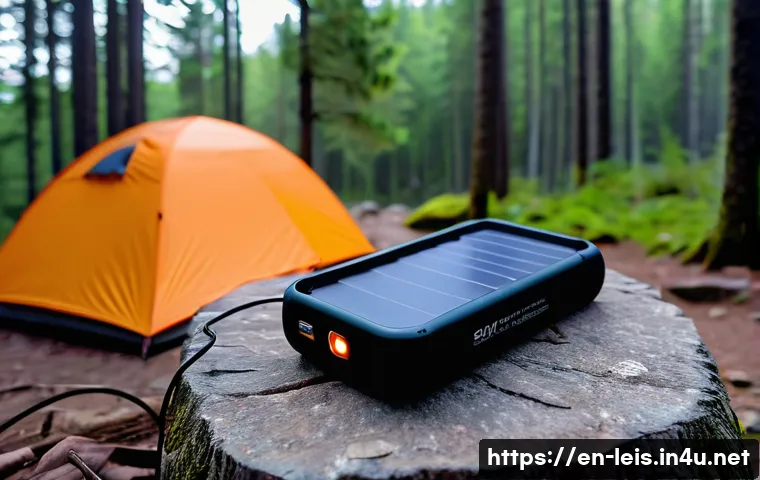
When heading out for a camping trip, having a reliable power source can make all the difference. Whether you need to charge your phone, power a portable fridge, or light up your tent, a high-quality camping battery pack is essential.
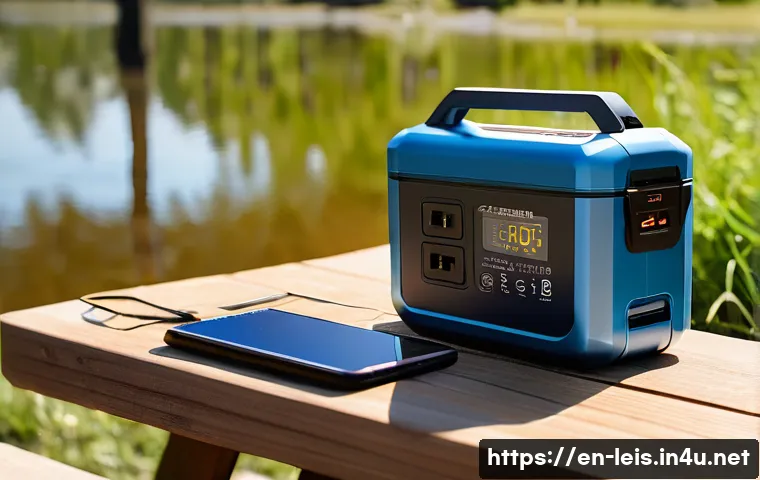
With so many options on the market, finding one that balances capacity, portability, and durability can be overwhelming. From compact designs perfect for weekend getaways to heavy-duty packs for extended adventures, there’s something for every camper.
Let’s dive into the best camping battery packs to help you stay powered up in the great outdoors. I’ll walk you through everything you need to know to pick the perfect one!
Choosing the Right Capacity for Your Camping Needs
Understanding Battery Capacity and Its Impact
When it comes to camping battery packs, capacity is king. It’s measured in milliamp-hours (mAh) or watt-hours (Wh), and this number basically tells you how much energy the pack can store.
For shorter trips or light use—like charging your phone or powering a small LED lantern—a 10,000 to 20,000 mAh pack often does the trick. But if you’re planning to run larger devices like a portable fridge or multiple gadgets over several days, you’ll want to look at packs with capacities exceeding 50,000 mAh or even portable power stations rated in the hundreds of watt-hours.
The trick I learned from my own camping trips is to think about what devices you’ll use most and how long you’ll be away. Overestimating capacity is better than running out of juice halfway through your adventure.
Balancing Weight and Capacity
One of the biggest challenges is finding a battery pack that’s powerful but still easy to carry. Heavy-duty packs can weigh several pounds, which might be fine if you’re car camping but less ideal for backpacking.
I’ve personally found that a mid-range pack around 20,000 to 30,000 mAh offers a sweet spot—enough power for multiple charges without feeling like a burden on your back.
When shopping, always check the weight and size specs alongside capacity to avoid surprises. Remember, a bulky pack might be powerful but could slow you down on rugged trails.
How Many Charges Can You Expect?
Knowing how many times a battery pack can recharge your devices helps set expectations and avoid frustrating power shortages. For example, a 20,000 mAh battery will usually charge a typical smartphone around 4-5 times, depending on the phone’s battery size.
Tablets and cameras might get fewer charges, while smaller devices like Bluetooth earbuds could be charged multiple times. Keep in mind, real-world performance varies based on device efficiency and environmental factors like cold temperatures, which can reduce battery life.
I always plan for a few extra charges than I think I need, just in case.
Durability and Weather Resistance for Outdoor Use
Why Ruggedness Matters
Camping environments can be unpredictable—rain, dust, drops, and extreme temperatures are all potential hazards. A battery pack that’s not built to handle these conditions can fail when you need it most.
From my experience, investing in a pack with at least some degree of water resistance (look for IP ratings like IP67 or IP68) can save you from a lot of headaches.
These packs are designed to withstand splashes, brief submersion, and dusty environments, making them perfect for campsites near lakes or in the woods.
Shockproof and Drop Resistance
I’ve had my share of moments where gear slipped from my hands or tumbled out of a backpack. Battery packs designed with shock-absorbing materials or reinforced corners provide peace of mind.
Some brands even advertise military-grade drop tests, which can be reassuring if you’re rough on your equipment or hiking over rocky terrain. This kind of durability isn’t just about preventing cosmetic damage—it’s about ensuring your power source stays operational in tough conditions.
Temperature Tolerance and Battery Performance
Cold weather can drain batteries faster than usual, and extreme heat can damage internal components. For camping in winter or desert environments, look for battery packs that specify operating temperature ranges.
Some advanced models include built-in temperature regulation to maintain performance and protect the battery cells. From personal experience, a pack that handles temperature extremes well means fewer surprises and more reliable power when you’re off-grid.
Portability Features That Make a Difference
Compact Designs for Easy Carrying
When you’re packing for a camping trip, every ounce and inch counts. Smaller battery packs that easily fit into your daypack or even a jacket pocket are invaluable for short hikes or minimalist setups.
I’ve tried ultra-compact models that weigh less than half a pound but still provide decent charging for phones and small gadgets. These are perfect if you’re prioritizing lightweight gear and don’t need to power large devices.
Convenient Charging Options
Look for battery packs that support multiple charging methods—solar input, USB-C Power Delivery, or even traditional AC outlets can add versatility. I’ve found USB-C PD particularly useful because it charges the battery pack faster and can power modern devices efficiently.
Some packs also feature pass-through charging, which means you can charge the pack and your devices simultaneously—a huge time saver during busy days outdoors.
Ergonomic Design and User-Friendly Interfaces
I can’t stress enough how much I appreciate intuitive designs when camping. Battery packs with clear LED indicators, easy-to-press buttons, and well-placed ports make a big difference.
Some even come with built-in flashlights or SOS signals, which have come in handy during late-night hikes or unexpected situations. When testing packs, I always look for one that feels comfortable to handle and has a straightforward charging status display.
Advanced Features That Enhance Outdoor Power Solutions
Multiple Output Ports for Versatility
Camping often means powering several devices simultaneously—phones, tablets, cameras, and maybe even a drone. Battery packs with multiple USB-A, USB-C, and DC outputs let you keep everything running without juggling cables.
I’ve used packs that can charge up to four devices at once, which is a lifesaver for group trips or longer stays. Just keep an eye on the total output wattage so you don’t overload the pack.
Solar Charging Capabilities
Solar charging is a game-changer for extended camping trips. Some battery packs come with integrated solar panels or allow you to connect external solar chargers.
While solar alone won’t fully recharge your pack quickly, it can provide a slow trickle of power during sunny days, extending your battery life. I’ve paired solar panels with my battery pack on week-long hikes, and it made a noticeable difference in staying powered without relying on grid outlets.
Smart Charging and Safety Features
Modern battery packs often include smart charging technology that adjusts power output based on the device’s needs, preventing overcharging or overheating.
Safety features like short-circuit protection, temperature monitoring, and surge protection are essential for peace of mind. After all, nothing ruins a camping trip faster than a malfunctioning battery.
I always prioritize packs with these built-in safeguards, especially when charging expensive devices.
Comparing Popular Camping Battery Packs
| Model | Capacity (mAh) | Weight | Durability Features | Output Ports | Special Features | Price Range |
|---|---|---|---|---|---|---|
| Goal Zero Venture 30 | 7800 | 0.7 lbs | IP67 Water & Dust Resistant | 2 USB-A | Solar Compatible, Rugged Design | $70-$90 |
| Anker PowerCore 20100 | 20100 | 0.45 lbs | Basic Shock Resistance | 2 USB-A | Fast Charging, Compact | $45-$60 |
| Jackery Explorer 500 | 518 Wh (~144000 mAh) | 13.3 lbs | Sturdy Case, Fan Cooling | AC, USB-C, USB-A, DC | Portable Power Station, Multiple Outputs | $450-$550 |
| RAVPower Solar Charger 25000 | 25000 | 1.3 lbs | IP67 Water Resistant | 3 USB-A, USB-C | Solar Input, Pass-Through Charging | $80-$110 |
| EcoFlow River 600 | 288 Wh (~80000 mAh) | 12.9 lbs | Durable Build, Temperature Control | AC, USB-C, USB-A, DC | Fast Recharge, App Control | $600-$700 |
Maximizing Battery Life During Your Camping Trip
Tips for Efficient Usage
To make the most out of your camping battery pack, it’s crucial to manage power wisely. I’ve learned that turning off devices when not in use, dimming screens, and disabling unnecessary background apps can stretch battery life significantly.
Also, avoid charging your devices in extremely cold conditions as it can reduce charging efficiency. Planning your power usage around daylight hours—especially if using solar charging—can help maintain a steady energy flow.
Proper Storage and Maintenance
If you’re not using your battery pack regularly, storing it properly is key to maintaining its health. I keep mine partially charged (around 50-70%) and store it in a cool, dry place.
Avoid leaving it fully drained or fully charged for long periods, as this can shorten battery lifespan. Periodic charging every few months is a good practice if the pack is in storage for extended times.
Emergency Power Strategies
Camping can bring unexpected situations where power becomes critical—like losing your car keys or needing to charge a GPS for an emergency call. I always carry a backup battery pack or a small solar panel as a safety net.
Sharing power with fellow campers or using devices sparingly during emergencies can make a huge difference. Preparing ahead with extra cables and adapters ensures you’re never caught off guard.
Integrating Camping Battery Packs with Other Gear
Pairing with Portable Solar Panels
Using a solar panel alongside your battery pack extends your off-grid capabilities. I prefer foldable solar panels that pack down small but deliver decent wattage.
This combination lets me charge the battery pack during the day and draw power from it at night, creating a reliable energy cycle. When choosing panels, match their output voltage and connector type to your battery pack for hassle-free setup.
Charging Multiple Devices Simultaneously
Camping often means juggling power between phones, cameras, lights, and sometimes even laptops. Battery packs with multiple output ports and smart distribution make this easier.
I’ve found that labeling cables and organizing devices helps prevent confusion when everyone wants a charge. It’s also smart to prioritize critical devices first to conserve energy.
Using Battery Packs for Non-Electronic Camping Essentials
Believe it or not, battery packs can power more than just gadgets. Some campers use them to run small fans, electric coolers, or even battery-powered cooking devices.
I’ve tried powering a mini coffee grinder on a camping trip, and it worked seamlessly. Just be sure to check the pack’s output wattage and compatibility before plugging in larger appliances to avoid overloading.
Understanding Pricing and Warranty Options
Finding the Best Value for Your Budget
Camping battery packs span a wide price range, from under $50 for basic models to over $600 for advanced portable power stations. I always recommend balancing features with price.
Sometimes spending a bit more upfront on a durable, high-capacity pack saves money in the long run by avoiding replacements. Consider what features are must-haves versus nice-to-haves to narrow down your options without overspending.
Warranty and Customer Support Importance
A solid warranty can protect your investment, especially if you’re taking your battery pack into tough outdoor environments. Brands that offer at least a one-year warranty and responsive customer support are preferable.
I’ve had positive experiences with brands that provide clear warranty terms and easy claim processes, which adds to overall confidence in the product.
Where to Buy and How to Spot Deals
Buying from reputable retailers or directly from manufacturers ensures authenticity and warranty coverage. Keep an eye on seasonal sales like Black Friday or outdoor gear events for discounts.
Also, some online marketplaces offer refurbished or open-box units at reduced prices, which can be a great way to get higher-end packs at a discount if you’re okay with minor cosmetic flaws.
Just read reviews carefully to avoid scams.
In Conclusion
Choosing the right camping battery pack is all about matching your power needs with portability and durability. From small hikes to extended off-grid adventures, understanding capacity, weather resistance, and advanced features ensures you stay powered up when it matters most. With the right preparation and gear, your camping experience becomes not only enjoyable but worry-free.
Useful Tips to Remember
1. Always assess your device usage and trip length to pick a battery capacity that won’t leave you stranded without power.
2. Balance battery size and weight carefully to avoid carrying unnecessary bulk while still meeting your energy demands.
3. Look for rugged, weather-resistant designs that can handle rain, dust, and drops for reliable outdoor performance.
4. Take advantage of multiple charging options like USB-C PD and solar compatibility to keep your pack charged efficiently.
5. Maintain your battery pack properly by storing it partially charged and using power wisely to extend its lifespan.
Key Takeaways
Choosing a camping battery pack involves weighing capacity against portability and durability. Prioritize packs with good weather resistance and multiple outputs to cover all your devices. Smart charging and safety features are essential for peace of mind in the outdoors. Finally, consider warranty and support to protect your investment and ensure long-term reliability. With these factors in mind, you’ll be well-equipped for any camping adventure.
Frequently Asked Questions (FAQ) 📖
Q: How do I choose the right capacity for a camping battery pack?
A: Picking the right capacity really depends on how long you plan to camp and what devices you need to power. For short weekend trips, a battery pack with around 10,000 to 20,000 mAh is usually enough to keep your phone charged and run small gadgets.
If you’re heading out for several days or want to power larger devices like portable fridges or lights, look for packs with 30,000 mAh or more. I’ve found that having extra capacity not only provides peace of mind but also lets you share power with friends or keep multiple devices running without stress.
Q: Are camping battery packs durable enough for outdoor use?
A: Absolutely, but it varies by model. Many high-quality camping battery packs are built to handle rough conditions—they often come with rugged, water-resistant designs and shockproof casing.
When I went on a hiking trip last fall, my battery pack survived being dropped in mud and light rain without any issues. If you expect tough weather or rough handling, prioritize durability features like IP ratings and reinforced shells to make sure your battery pack won’t quit on you when you need it most.
Q: Can I charge a camping battery pack using solar panels while outdoors?
A: Yes, many camping battery packs support solar charging, which is a game-changer for extended trips without access to electricity. However, solar charging is generally slower compared to plugging into a wall outlet.
I recommend pairing your battery pack with a reliable solar panel that matches its input requirements to maximize efficiency. In my experience, even a few hours of sun can add a good boost, but it’s smart to have a backup plan, especially if you’re camping in cloudy or shaded areas.