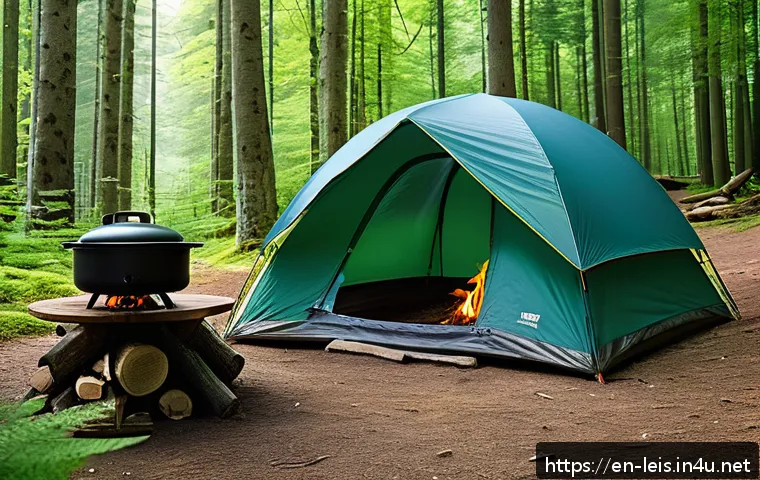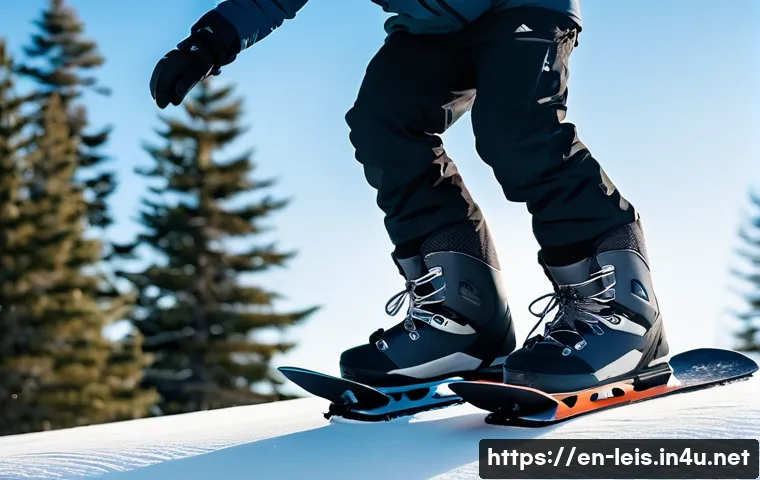
Starting snowboarding can feel both thrilling and a bit intimidating, especially if it’s your first time on the slopes. From choosing the right gear to mastering basic techniques, every step counts toward building confidence and having fun.
Many beginners struggle with balance and controlling speed, but with the right guidance, those challenges quickly turn into exciting progress. Snowboarding is not just about physical skill—it’s about embracing the mountain vibe and pushing your limits safely.
Let’s dive into some essential tips that will make your first ride smoother and more enjoyable. Stick around, and we’ll explore everything you need to know to get started right!
Picking the Right Gear for Your First Ride
Finding a Snowboard That Matches Your Style and Size
Choosing your snowboard can feel overwhelming at first, but here’s a little secret: your board should feel like an extension of yourself. When I first picked out a board, I focused on length and width to match my height and boot size.
A board that’s too long can be hard to maneuver, while one that’s too short might not give you enough stability. Also, think about the board’s shape—directional boards are great if you plan to go mostly downhill, whereas twin-tip boards let you ride switch more easily.
Don’t hesitate to ask for advice at your local shop or rental place; they’ve seen beginners come and go and can help you avoid costly mistakes.
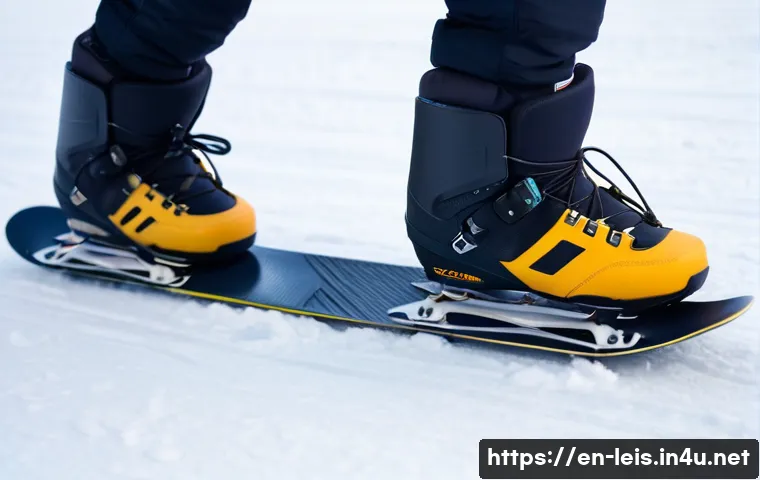
Essential Snowboarding Boots and Bindings
Boots are where comfort meets control. When I slipped into my first pair, the snug fit gave me confidence, but I also learned how important it is to break them in.
If your boots are too tight, your feet will ache; too loose, and you lose precision. Bindings connect you to the board, so make sure they’re compatible with both your boots and board.
Adjustable bindings allow you to tweak angles for comfort and better control. I recommend spending some time adjusting your stance before hitting the slopes—it makes a huge difference in how you balance and turn.
Clothing and Safety Gear That Won’t Slow You Down
Layering is key. I always opt for moisture-wicking base layers, an insulating mid-layer, and a waterproof outer shell. Trust me, staying dry keeps your energy up and your mood positive.
Don’t forget a helmet—no matter your skill level, protecting your head is non-negotiable. Wrist guards and padded shorts might feel a bit bulky but can save you from painful falls.
Gloves with good grip and goggles that fit well against your helmet complete the setup. When I got this gear right, I noticed I could focus more on riding instead of battling cold or discomfort.
Mastering Balance and Body Position on the Board
Understanding Your Center of Gravity
Balance is everything in snowboarding, and it starts with your center of gravity. When I first stood on a board, it felt like I was constantly tipping forward or backward.
The trick is to keep your weight centered over the board, not leaning too far in any direction. Imagine a straight line running from your head through your hips and down to the board’s middle.
Practicing this stance on flat ground before moving downhill helped me build muscle memory and confidence.
Foot Placement and Stance Width
Your stance width affects your stability and turning ability. Too narrow, and you risk wobbling; too wide, and your movements become stiff. When I experimented with different widths, I found a sweet spot just a bit wider than shoulder-width apart gave me the best control.
Your feet should also be angled slightly—usually, the front foot points forward, and the back foot is angled out a little. This setup helps with both carving turns and staying balanced when you ride switch.
Using Your Arms and Upper Body for Control
Many beginners think snowboarding is all about the legs, but your upper body plays a big role, too. I learned to keep my arms relaxed and use them for balance rather than stiffening up.
When making turns, gently rotate your shoulders and head in the direction you want to go—the board naturally follows. This coordination between upper and lower body felt awkward at first, but once I got it, my turns became smoother and less tiring.
Techniques to Control Speed and Make Smooth Turns
Learning to Stop Safely
Stopping is the first skill you want to master because it keeps you safe and in control. The easiest way to stop is the “falling leaf” technique, where you slide sideways across the slope like a leaf drifting down.
At first, I practiced this on gentle slopes, shifting my weight onto my heels or toes to slow down. It feels strange initially, but with practice, it becomes second nature.
Remember, stopping confidently gives you the freedom to explore more challenging terrain.
Basics of Carving and Sliding Turns
Turning on a snowboard can be broken down into carving and sliding. Carving involves using the edges of your board to make clean, arced turns, while sliding is more about skidding and controlling speed.
When I started, I found sliding turns easier because they’re more forgiving and help you adjust speed mid-turn. As you improve, try carving turns to gain speed and flow down the mountain.
Focus on shifting your weight and using your edges deliberately.
Managing Speed with Terrain Awareness
Speed isn’t just about how fast you want to go—it’s about reading the mountain. I quickly realized that slopes vary in steepness and snow conditions, so adjusting your speed accordingly is vital.
On icy patches, I slowed down and used more controlled turns, while on powder, I let myself glide a bit more freely. Always scan ahead and plan your route to avoid surprises.
This awareness not only keeps you safe but also helps you ride with confidence and style.
Building Endurance and Confidence on the Slopes
Breaking Down Practice Sessions
When I first started snowboarding, long days on the slopes left me exhausted and frustrated. I learned that shorter, focused practice sessions are way more effective.
Spend 30 to 60 minutes working on specific skills like balance or stopping, then take breaks to rest and hydrate. This approach keeps your energy up and helps your brain absorb new movements better.
Plus, celebrating small wins during these sessions keeps motivation high.
Overcoming the Fear of Falling
Falling is part of the learning process, but it can be intimidating. I remember my first fall vividly—it hurt a bit but didn’t ruin my day because I knew it was normal.
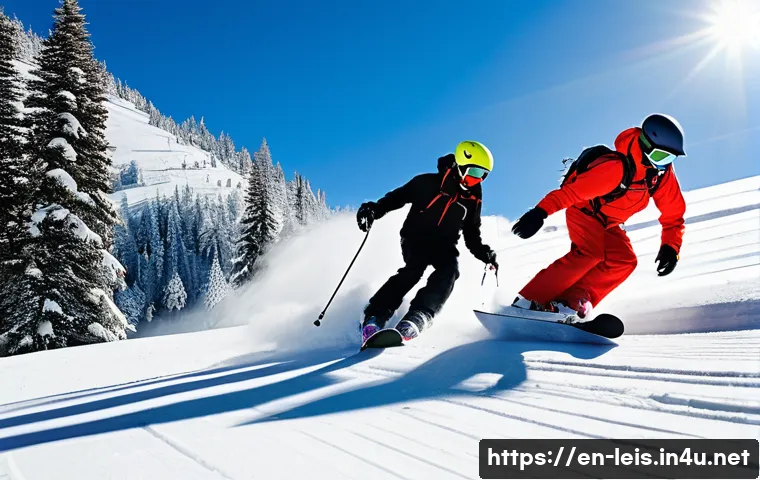
Wearing protective gear helps a lot, but mentally accepting that you’ll fall sometimes is even more important. Try to fall safely by tucking your arms in and rolling when possible.
Each fall teaches you something new about balance and control, so don’t let fear hold you back.
Setting Realistic Goals and Tracking Progress
Setting small, achievable goals transformed my snowboarding experience. Instead of aiming to master everything in one day, I focused on landing my first controlled turn or stopping smoothly.
Keep a journal or use an app to track what you practiced and how you felt. Seeing your progress over time is incredibly motivating. Plus, it helps you identify areas to work on without feeling overwhelmed.
Understanding Weather and Mountain Conditions
How Snow Quality Affects Your Ride
Snow conditions can change everything about your ride. I found that powder snow feels soft and forgiving, perfect for trying new tricks, while icy or packed snow demands more precision and edge control.
Wet snow can slow you down and make turning tricky. Checking the weather report and talking to locals or ski patrol gives you clues on what to expect.
Adjust your technique and speed based on the snow to stay safe and enjoy your run.
Reading the Mountain Terrain
Mountains aren’t just slopes—they’re a series of different terrains like moguls, glades, and bowls. I learned to recognize these features and choose runs that match my skill level.
For example, moguls require quick, sharp turns, which are tough for beginners, while wide-open runs let you practice carving and speed control. Respect trail signs and boundaries; they’re there for your safety.
Over time, exploring varied terrain builds your skills and keeps things exciting.
Timing Your Ride for the Best Experience
The time of day can affect snow conditions and crowd levels. Early mornings usually offer fresh, untouched snow but can be colder and icier. Afternoons might have softer snow but more people on the slopes.
When I figured out my personal sweet spot, usually late morning, I could ride with fewer crowds and better snow. Also, keep an eye on sunset times to avoid getting caught on the mountain after dark—it’s safer and more enjoyable to plan your runs accordingly.
Essential Snowboarding Safety Practices
Knowing How to Fall Safely
Falling is inevitable, but falling right makes all the difference. I used to brace myself, which only made falls worse. Now, I consciously relax my body and try to roll or slide rather than stopping abruptly.
Wearing wrist guards and a helmet significantly reduced my injuries. Practicing falling safely on gentle slopes helped me stay calm and avoid panic when I eventually took a tumble on steeper terrain.
Staying Visible and Communicating on the Mountain
Wearing bright clothing and reflective gear can make you more visible to other riders and ski patrol. I always make sure my helmet and jacket have some color or reflectivity.
Also, learn basic hand signals or shout out if you’re stopping or crossing paths. Good communication prevents collisions and helps everyone enjoy the slopes safely.
Don’t hesitate to ask for help if you get lost or injured; mountains often have emergency stations and patrols ready to assist.
Respecting Mountain Rules and Etiquette
The mountain community thrives on mutual respect. Yield to downhill riders, don’t cut in front of others, and stay on marked trails. I noticed that following these simple rules made my rides smoother and interactions friendlier.
Avoid risky shortcuts or jumps beyond your skill level to protect yourself and others. Remember, everyone was a beginner once, and respecting the rules keeps the slopes fun for all ages and abilities.
| Gear Type | Key Features | Beginner Tips |
|---|---|---|
| Snowboard | Length, width, shape (directional/twin-tip) | Choose size based on height and boot size; start with a forgiving shape |
| Boots | Fit, flexibility, warmth | Snug but comfortable fit; break in before long rides |
| Bindings | Compatibility, adjustability | Match boots and board; adjust angles for comfort |
| Clothing | Layering, waterproof, insulation | Use moisture-wicking base layers; waterproof outer shell |
| Safety Gear | Helmet, wrist guards, padded shorts | Always wear a helmet; consider wrist guards to prevent injuries |
글을 마치며
Starting your snowboarding journey is an exciting adventure filled with learning and growth. By choosing the right gear, mastering your balance, and practicing safe techniques, you set yourself up for success on the slopes. Remember, patience and persistence are key—each run builds your confidence and skill. Embrace the process, enjoy the ride, and don’t forget to stay safe while having fun.
알아두면 쓸모 있는 정보
1. Proper gear fit is crucial; ill-fitting boots or bindings can ruin your day and slow your progress.
2. Practicing balance and stance on flat ground before hitting slopes helps develop muscle memory and confidence.
3. Learning to stop safely early on opens up more terrain options and keeps you in control.
4. Weather and snow conditions vary—adapting your riding style accordingly improves safety and enjoyment.
5. Falling is part of learning; wearing protective gear and knowing how to fall can prevent injuries and ease fear.
핵심 포인트 정리
Choosing gear that fits your body and style lays the foundation for comfortable and effective riding. Building balance through mindful body positioning and coordinated movements enhances control. Mastering basic speed management and turning techniques ensures safer and smoother runs. Awareness of mountain conditions and respecting safety practices protect both you and others on the slopes. Finally, breaking practice into manageable sessions and embracing the learning curve keeps motivation high and progress steady.
Frequently Asked Questions (FAQ) 📖
Q: What is the best way to choose the right snowboarding gear for beginners?
A: When starting out, picking the right gear can make a huge difference in your comfort and progress. Focus on getting a snowboard that matches your height, weight, and skill level—usually a softer flex board is easier to control for beginners.
Don’t forget boots that fit snugly but aren’t painfully tight, as comfort is key for long hours on the slopes. Renting gear initially is a smart move to try different styles before investing.
Also, layering your clothing with waterproof and breathable materials keeps you warm and dry, which is crucial for enjoying your time without distractions.
Q: How can I improve my balance and control speed while snowboarding as a beginner?
A: Balance and speed control are the two biggest hurdles for new snowboarders, but the good news is that they improve quickly with practice. Start on gentle slopes and practice your stance—keep your knees slightly bent and your weight centered over the board.
Learning to shift your weight smoothly from heel to toe helps with turning and slowing down. Using the edges of your board intentionally lets you manage speed better; think of it like using brakes on wheels.
Taking a beginner lesson can also provide personalized tips that speed up your progress. The key is to stay relaxed and not fight the board—it’s more about flowing with the movement than resisting it.
Q: Is snowboarding physically demanding, and how should I prepare before hitting the slopes?
A: Snowboarding definitely requires a decent level of physical fitness, especially core strength, leg muscles, and balance. If you jump straight into the mountains without some prep, you might find yourself exhausted or sore faster than you expect.
I found that doing simple exercises like squats, planks, and balance drills a few weeks before my first ride made a noticeable difference. Also, warming up properly before you start snowboarding helps prevent injuries.
Remember, snowboarding is as much about having fun as it is about pushing your limits safely, so listen to your body and take breaks when needed.