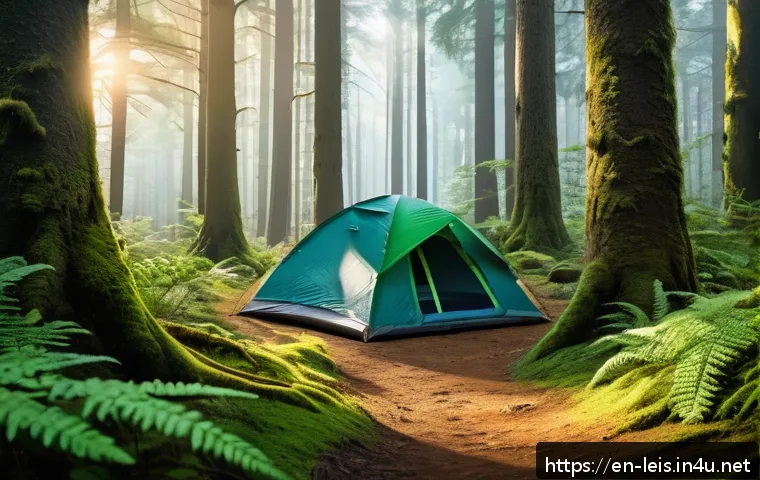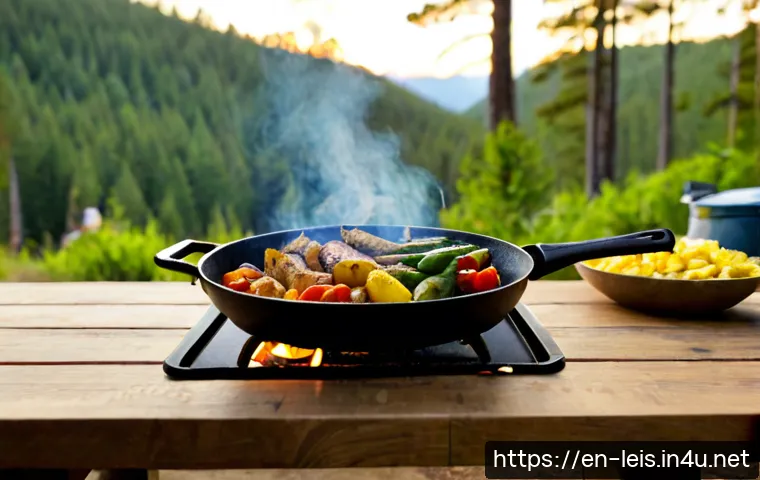
For most outdoor meals, choose foil packets for campfires, one-pan recipes for portable stoves, and grill-friendly foods for a charcoal or gas grill. The best setup depends on your group size, fuel access, cleanup tolerance, and how much heat control you need.
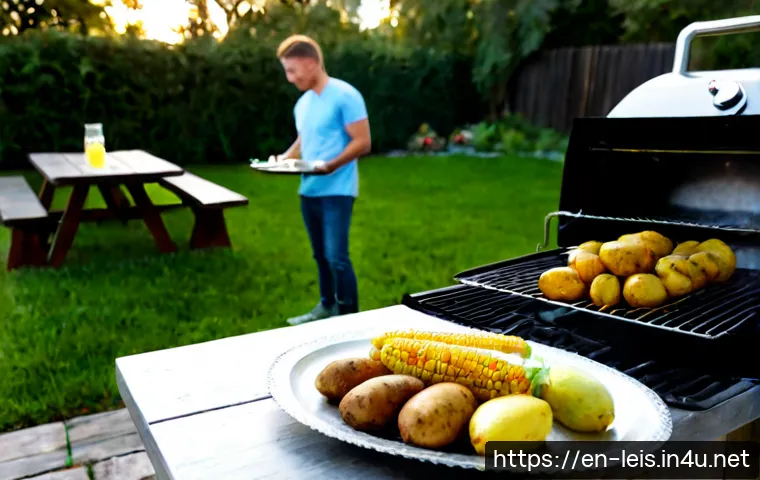
A simple menu with familiar ingredients is usually easier than trying to recreate an indoor kitchen outside. Portable camp stoves suit fast, controlled cooking, while portable grills add cooking space for shared meals.
A reliable cooler, durable cookware, and a small cleanup kit can make a basic setup far more useful. Always check local fire restrictions, campground rules, and fuel requirements before you cook.
At a Glance
- Campfire: Best for foil packets, coals-based cooking, and simple desserts when fires are permitted.
- Portable stove: Best for one-pan meals, coffee, breakfast, and recipes that need steadier heat.
- Portable grill: Best for larger groups, grilled proteins, flatbreads, and backyard-style outdoor meals.
| Cooking Method | Heat Control | Startup Cost Level | Cleanup Effort | Best Group Fit | Best Recipe Types |
|---|---|---|---|---|---|
| Campfire | Less precise; improved with managed coals | Low if a permitted fire ring is available | Moderate | Small to medium groups | Foil packets, skewers, skillet meals, fruit desserts |
| Portable camping stove | Usually the easiest to manage | Low to moderate | Low | One to several people | One-pan meals, breakfast hash, soups, coffee, reheating |
| Charcoal grill | Moderate; depends on coal placement | Moderate | Moderate to high | Small to larger groups | Grilled vegetables, chicken, burgers, flatbreads |
| Gas grill | More direct and adjustable | Moderate to higher | Low to moderate | Families and backyard groups | Batch grilling, vegetables, proteins, warm side dishes |
Start With the Right Outdoor Meal Format
The easiest outdoor cooking plan is one that matches the equipment you already have. Instead of packing many separate recipes, choose meals that share ingredients and require few tools. A cooler, a cutting board, a pan or grill surface, utensils, and a way to manage heat are often enough for practical camping recipes.
Three Quick Choices: One-Pan Meals, Foil Packets, and Grill-Friendly Recipes
One-pan meals work well on a portable camp stove because they keep ingredients contained and simplify cleanup. Use a deep skillet or sturdy pot for combinations such as sausage, beans, vegetables, rice, or pasta-based meals. Keep a lid nearby when possible; it helps ingredients cook more evenly and protects food from wind-blown debris.
Foil packets are a natural choice for a campfire or charcoal grill. They can hold protein, chopped vegetables, potatoes, seasoning, and a small amount of cooking liquid or oil. Place packets over stable, moderate coals rather than directly in aggressive flames. Open them carefully because trapped steam can be hot.
Grill-friendly recipes are useful when you have enough cooking surface for several portions at once. Choose foods that are easy to turn and serve, such as vegetables, flatbreads, skewers, or appropriately prepared proteins. Clean and lightly oil a suitable grill surface before cooking to reduce sticking.
A Simple Menu Formula for Breakfast, Lunch, Dinner, and Dessert
For breakfast, combine a filling base, vegetables, and a simple protein in a skillet. For lunch, use leftovers, grilled flatbreads, or prepped ingredients that can be warmed quickly. For dinner, choose one main cooking format: a foil packet, a one-pan meal, or a grill meal. For dessert, fruit with simple toppings can be easier to manage than a recipe requiring multiple bowls and temperature-sensitive ingredients.
Keep the menu flexible. Weather, altitude, cookware material, food thickness, and equipment output can all change cooking results. Check food as it cooks instead of relying on a fixed timing expectation.
Campfire, Portable Stove, or Grill: Which Setup Fits Your Trip?
A portable stove is often the most practical starting point when you need reliable heat and a compact cooking setup. A campfire can create a memorable meal, but it depends on permitted conditions and takes more attention. A portable grill can add value when you expect to cook for several people or want more cooking space than a pan provides.
Comparison Table: Heat Control, Cost, Portability, Cleanup, and Best Uses
Use the table above as a planning tool rather than a fixed rule. A small stove may be enough for two people making breakfast and simple dinners. A grill may be the better fit for a backyard gathering where several foods need to cook at the same time. Campfire cooking is best treated as an option, not the only meal plan, especially where weather or fire restrictions may affect access.
When a Basic Stove Is Enough—and When a Portable Grill Adds Value
A basic camping stove is enough when your meals are mostly boiled, simmered, sautéed, or reheated. It is particularly useful for road trips, short stays, and meals where you want a faster setup and less ash to manage. Check the stove’s fuel compatibility and local fuel rules before packing.
A portable grill becomes more useful when cooking surface matters. It can suit family camping, tailgate-style meals, or backyard entertaining where people expect grilled food. Before choosing one, compare cooking space, fuel type, storage size, grease handling, and cleanup needs. A larger grill is not automatically better if it is difficult to transport or clean after each use.
Easy Meals That Work Outside
Outdoor recipes work best when they are forgiving. Cut ingredients into reasonably similar pieces, pack seasonings in small containers, and avoid recipes that require frequent temperature changes. Keep raw ingredients separate from ready-to-eat foods until cooking begins.
Foil-Pack Chicken, Vegetables, and Potatoes
Place prepared chicken, vegetables, and potato pieces in a foil packet with your preferred seasoning and a little moisture or fat to support cooking. Seal the packet carefully, leaving some room for steam. Cook over managed coals or on a grill rather than in tall flames. Because ingredient size, weather, heat level, and food thickness vary, check that the chicken is fully cooked before serving.
This meal is useful for campers because each portion can be assembled separately. It also reduces dishwashing, although used foil and food waste still need to be packed out or disposed of according to local rules.
One-Pan Sausage, Beans, and Vegetables
Start with sausage in a stable skillet, then add vegetables and beans once the pan is hot. This meal works on a portable stove, gas grill side burner, or suitable grill pan. Use moderate heat and stir often enough to prevent scorching. If the pan begins to cook unevenly, move it to a gentler part of the heat source or reduce the flame.
A deep, durable outdoor cookware pan is helpful here, but specialized gear is not always necessary. If your existing pan is compatible with your heat source and is easy to handle safely, it may be sufficient.
Skillet Breakfast Hash and Grilled Flatbreads
For a breakfast hash, cook prepared potatoes and vegetables in a skillet, then add eggs or another preferred protein when the base is nearly done. Use a stable surface and keep handles turned away from foot traffic. Wind can affect stove flames, so position your cooking area carefully and follow the appliance guidance for safe use.
Grilled flatbreads are a flexible lunch or dinner option. Add simple toppings after one side has cooked enough to handle. Avoid overloading the bread, which can make turning difficult and increase the chance of food falling into the grill.
Campfire Fruit Dessert With Simple Toppings
Use sturdy fruit that can be warmed in a packet, pan, or grill-safe dish. Add simple toppings after heating, rather than carrying a long list of separate dessert components. This keeps preparation manageable and helps reduce cleanup. Keep sweet toppings sealed to avoid attracting insects or animals at the campsite.
Prep, Cooking, and Food-Safety Mistakes to Avoid
Most outdoor meal problems begin before the heat is on. A little preparation at home reduces clutter, protects ingredients, and gives you more time to enjoy the trip or gathering.
Prep Ingredients at Home to Reduce Waste and Cooking Time
Wash and cut vegetables in advance when appropriate, portion dry ingredients, and label containers by meal. Bring only the utensils each recipe needs. A meal kit for each day can prevent repeated searching through a crowded cooler or storage bin.
Choose containers that close securely and stack well. Reusable containers can be a better long-term option when you cook outside often, while disposable liners or packets may be convenient when cleanup access is limited. Consider waste management before choosing either approach.
Keep Raw Foods Separate and Protect Perishables in a Cooler

Use separate storage for raw foods and ready-to-eat items. Keep perishables protected in a cooler and limit how long the lid stays open. Pack ingredients in the order they will be used so you do not have to dig through everything for one item.
Cooler performance depends on many factors, including outside conditions, how often it is opened, and how it is packed. Check food condition carefully, use clean tools and hands, and do not assume a cooler solves every food-handling issue.
Avoid Flare-Ups, Unstable Cookware, and Poorly Managed Coals
Place outdoor cooking equipment on a firm, level surface. Keep handles, fuel canisters, bags, and loose clothing away from heat. For campfire meals, wait for a more stable coal bed when the recipe needs even heat. For grilling, manage drips and watch for flare-ups rather than leaving food unattended.
Never use equipment in a way that conflicts with its instructions. Check campground regulations, local fire restrictions, and fuel rules before lighting a fire, using a stove, or operating a portable grill.
Recipe Adjustments for Different Outdoor Situations
The right outdoor recipe is not always the most elaborate one. Match your meal to the amount of time, storage, water, and cleanup capacity available.
Low-Mess Meals for Family Camping
Family camping often benefits from portioned foil packets, one-pan dinners, and breakfast meals that use familiar ingredients. Pack a dedicated cleanup pouch with trash bags, a scrubber, dish soap where appropriate, towels, and utensils. Keep the food plan simple enough that one person does not spend the entire trip cooking and washing dishes.
Fast Meals for Hiking, Road Trips, and Short Stays
For short stops, choose meals that need one heat source and minimal assembly. A portable stove with a compact pot or skillet can be easier to manage than a full grill setup. Prepped vegetables, canned or shelf-stable meal components, and simple flatbreads can reduce the need for extensive food storage.
Consider the space in your vehicle before adding specialty cookware. A compact camp stove, compatible fuel, lighter, pan, utensils, and cooler may cover more situations than several single-purpose items.
Backyard Recipes for Larger Groups and Relaxed Entertaining
For backyard meals, a grill can make serving easier because you can cook several items in batches. Choose a menu with one main item, a grilled vegetable option, and sides that can be prepared ahead. Keep a clean serving area separate from the raw-food prep area.
If you host often, reusable grill tools, durable cookware, and a grill with practical cooking space may be worthwhile. If outdoor cooking is occasional, basic tools and a simple menu may deliver better value with less storage burden.
Choose Your Outdoor Cooking Setup: Value and Buying Criteria
Choose equipment based on group size, fuel access, cooking surface, storage space, and cleanup. A small portable stove is often a sensible first purchase for controlled cooking. A portable grill can be a useful next step when shared meals and grilling capacity matter more. A cooler should fit the amount of perishable food you realistically plan to carry, not just the largest model you can transport.
Select by Group Size, Fuel Access, Cooking Surface, and Storage Space
Start with the meals you actually want to cook. If you mainly need hot drinks, breakfast, and skillet dinners, prioritize a stove and compatible cookware. If you want grilled vegetables, proteins, and food for several people, compare portable grills by cooking space, fuel type, transport size, and grease cleanup. Make sure the fuel you choose is permitted and available for your destination.
Decide Between Disposable, Entry-Level, and Reusable Cooking Tools
Disposable cooking supplies can reduce washing when water access is limited, but they create more waste. Entry-level cookware may be enough for occasional trips if it is stable, compatible with your heat source, and easy to clean. Reusable outdoor cookware can be worthwhile for frequent campers and hosts who value durability, nesting storage, and repeated use.
Do not buy specialized equipment just because a recipe uses it. First ask whether a sturdy skillet, pot, foil, tongs, and cooler already cover the meals on your plan.
Final Checklist for Cookware, Cooler Space, Utensils, and Cleanup Supplies
- Heat source and compatible fuel
- Appropriate pan, pot, grill surface, or foil packets
- Cooler space for perishable ingredients and separate raw-food storage
- Tongs, spatula, knife, cutting surface, and heat-safe handling tools
- Water, cleaning supplies, trash bags, and a plan for waste disposal
- Confirmation of local fire restrictions, campground rules, and fuel regulations
Selection Criteria and Comparison Summary
Before buying outdoor cooking gear, compare fuel type, cooking space, heat control, packed size, cooler capacity, and cleanup effort. Choose a portable camp stove if predictable one-pan cooking is your priority. Choose a portable grill if you need a broader cooking surface for multiple portions. Choose durable outdoor cookware when you cook outside regularly and want equipment that stores and cleans easily. Compare fuel type, cooking space, and cleanup before buying; detailed compatibility and operating conditions should be checked on the relevant product page.
In Closing
Good outdoor cooking is mostly about choosing a manageable format and preparing before you leave home. Foil packets, one-pan meals, and simple grill recipes all work when matched to the right heat source. Keep food handling organized, make cleanup part of the plan, and avoid relying on a campfire when restrictions or conditions may change. A modest, well-matched setup is often more useful than a large collection of specialty gear.
Useful Information to Know
1. Pack meals by cooking day to simplify cooler access.
2. Use similar-sized ingredient pieces for more even cooking.
3. Keep one backup meal that can be prepared with minimal equipment.
4. Bring a stable surface or plan for where cookware will safely sit.
5. Check fuel compatibility before leaving home.
Important Notes
Exact cooking times can vary with weather, altitude, equipment output, pan material, food thickness, and the heat source used. Food suitability depends on individual allergies, preferences, and food-handling practices. Local fire restrictions, campground rules, and fuel regulations may change, so confirm them before cooking outdoors. Product pricing, availability, and fuel compatibility also vary by retailer and location.
Frequently Asked Questions
Q1. What are the easiest outdoor meals for first-time campers?
A1. Foil packets, simple one-pan sausage and vegetable meals, skillet breakfast hash, and grilled flatbreads are practical starting points. They use limited cookware and can be adapted to a campfire, portable stove, or grill. Choose the option that suits your permitted heat source and cleanup plan.
Q2. Is a portable camping stove or portable grill better for a family trip?
A2. A portable camping stove is usually better for controlled breakfast and one-pan meals. A portable grill may be more useful if you are cooking several portions at once and want grilled foods. Compare cooking space, fuel access, packed size, and cleanup requirements before deciding.
Q3. How much should I budget for basic outdoor cooking gear?
A3. The amount depends on whether you already own compatible cookware, a cooler, and safe food-storage containers. Start with the essentials: a permitted heat source, compatible fuel, a stable cooking vessel, basic utensils, cooler space, and cleanup supplies. Prices and product availability vary by retailer and location, so compare the features you need rather than buying unnecessary specialty items.