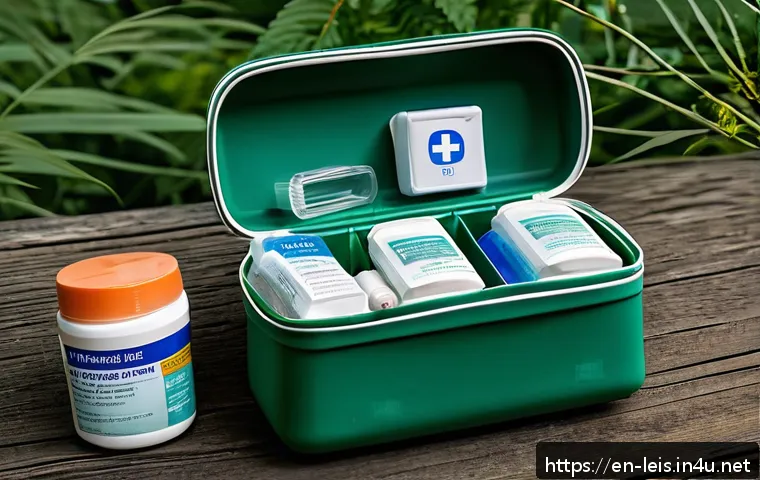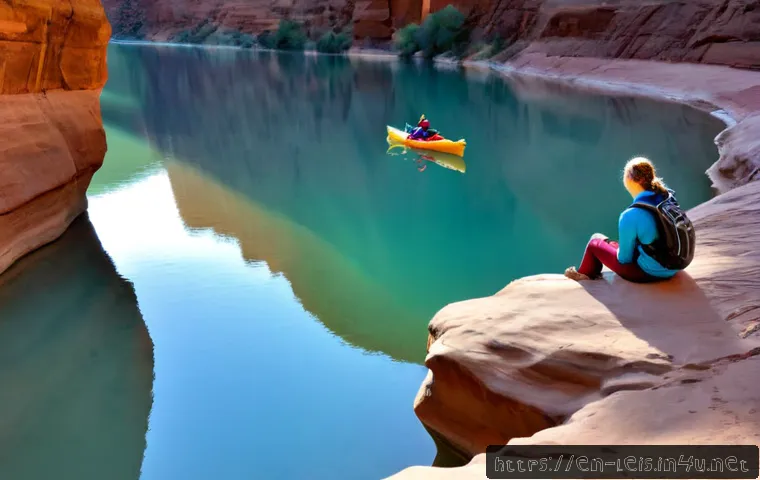
Find lesser-known leisure destinations without relying on viral lists. Compare travel time, activity costs, booking needs, safety conditions, and overnight options to choose a weekend outing that fits your budget and comfort level.
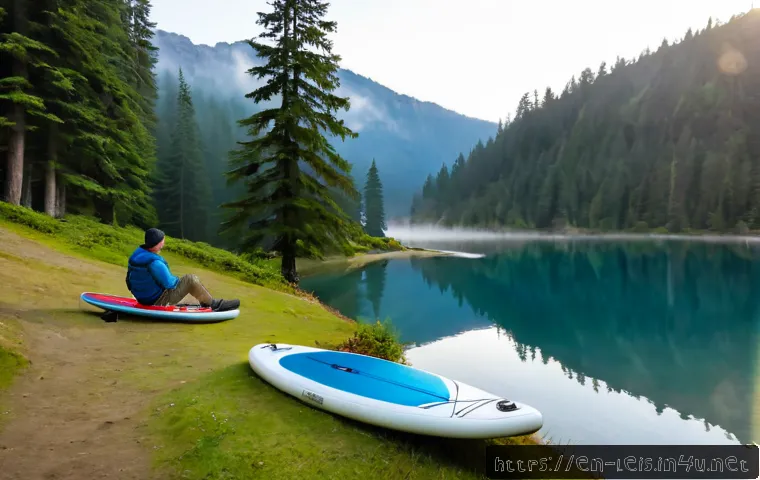
An underrated leisure spot is usually one that fits your available time, comfort level, and preferred activity—not simply the place with the fewest online mentions. Start by comparing travel effort, likely spending categories, booking requirements, and weather sensitivity before choosing a destination. A self-guided scenic outing can work well when flexibility and low cost matter most. A guided activity, equipment rental, or local stay may be a better choice when you want instruction, convenience, or a more structured experience. Popularity can change quickly, so a place that feels quiet today may be busy during a good-weather weekend or local event. The best plan leaves room to verify current access, conditions, and cancellation terms.
At a Glance
- Low-cost outings: Choose self-guided walks, scenic routes, public viewpoints, or local green spaces when you want a flexible day out.
- Paid experiences: Consider guided sessions or rental equipment when instruction, specialized gear, or organized safety support improves the outing.
- Before committing: Check transport, reservations, weather limits, return timing, and basic services at the destination.
| Outing Type | Transport and Spending Categories | Booking Need | Weather Dependency | Best Fit |
|---|---|---|---|---|
| Self-guided scenic stop | Transport, parking if applicable, food, and personal supplies | Often low, but access rules should still be checked | Moderate to high for outdoor locations | Solo resets and flexible short trips |
| Cycling or walking route | Transport, possible bike rental, food, and route supplies | May depend on rental availability | High when surfaces or visibility are affected | Active couples, friends, and independent travelers |
| Guided outdoor activity | Transport, activity booking, equipment package, and meals | Usually worth checking in advance | Often subject to provider weather policies | Travelers wanting instruction or equipment support |
| Overnight local getaway | Transport, accommodation, meals, parking, and activities | Accommodation and activity reservations may be needed | Varies by indoor and outdoor plans | Couples, groups, and longer weekend plans |
Start With the Right Definition of an Underrated Leisure Spot
The most useful definition of an underrated leisure spot is simple: it is a place that delivers the kind of break you want without creating unnecessary travel stress. It may be a quiet riverside path, a small regional cycling route, an outdoor workshop, a wellness facility outside the usual tourist area, or a nature area with limited promotion. Less famous does not automatically mean better. A remote location with poor access, unclear rules, or no return transport can turn a relaxing plan into a frustrating one.
Look Beyond Viral Landmarks and Crowded “Must-See” Lists
Viral lists tend to reward dramatic views and recognizable landmarks. They are less useful for finding a calm afternoon, an easy activity booking, or a practical place to spend time with family. Look for activity-based clues instead: local walking routes, small-scale recreation areas, seasonal workshops, bike rental points, or regional accommodation near outdoor spaces. These options can be more rewarding because they match an actual plan rather than a photo opportunity.
Prioritize Access, Comfort, and the Activity You Actually Want to Do
Start with the activity, then search for the setting. If you want a quiet walk, prioritize a route with a clear starting point and realistic return timing. If you want paddling, climbing, or another gear-dependent activity, prioritize providers with clear equipment details and weather policies. If comfort matters, look at nearby food, restrooms, parking, mobile signal, and accommodation options. A good leisure destination should reduce friction, not add it.
Quick Answer: The Best Hidden Option Is Not Always the Most Remote One
A lesser-known place close to home can be more valuable than a distant “secret” destination. Shorter travel time leaves more room for the activity itself and makes a change of plans easier. This is especially useful for a solo day trip, a family outing, or a weekend with uncertain weather. Choose distance only when the destination offers something meaningful that a nearer option cannot.
Compare Travel Time, Budget, and Booking Requirements Before You Go
Use a total-cost view rather than focusing only on entry fees. A free scenic location can still require significant transport, parking, meals, and supplies. A paid guided session may cost more upfront but can include equipment, instruction, and a defined schedule. Compare what is included, what must be arranged separately, and what happens if conditions change.
Day-Trip Transport Costs Versus Overnight Stay Value
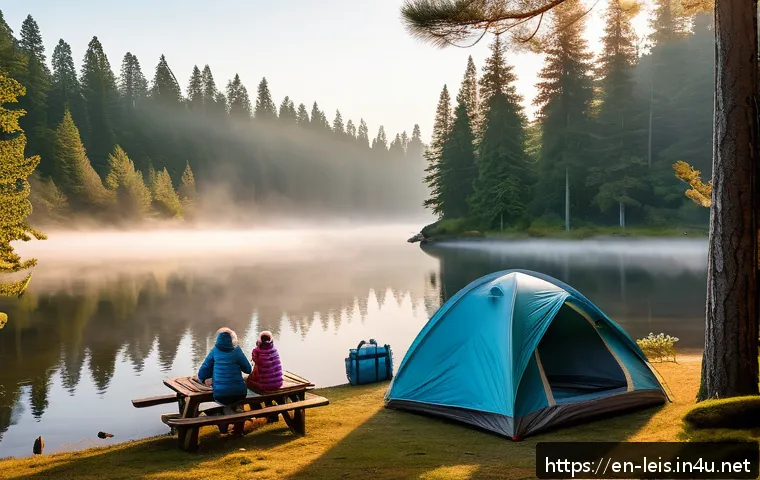
A day trip works best when travel time is manageable and the activity does not require an early start or a rushed return. An overnight stay can make sense when the area has multiple activities, limited public transport, or conditions that are better at certain times of day. Before reserving a local stay, check its distance from the activity, parking arrangements, food options, and whether the route remains practical after dark.
Free Access, Paid Entry, Guided Sessions, and Equipment Rental
Free access can be ideal for walking, casual sightseeing, and low-intensity outdoor time. Paid entry may add facilities or managed access, while guided activities can be useful when the experience requires local knowledge or specialized equipment. Equipment rental is worth comparing carefully: check what gear is included, whether reservations are required, and whether weather or operational conditions can affect pickup or use. Do not assume availability based on a previous season or an older review.
A Simple Comparison for Low-Planning and Reservation-Based Outings
Choose a low-planning outing when you can arrive, leave, and change your route without losing a booking. Choose a reservation-based experience when a guide, rental package, class, or limited-capacity facility is central to the day. The second option often needs more preparation, but it may offer clearer structure for travelers who do not want to bring their own equipment or plan every detail.
Find Leisure Experiences That Match Your Preferred Pace
Hidden leisure travel is not one category. The right choice depends on whether you want quiet time, physical movement, a new skill, or shared entertainment. Match activity intensity to your experience level and current conditions rather than choosing based on a location’s online image.
Quiet Nature Walks, Scenic Cycling, and Low-Intensity Outdoor Time
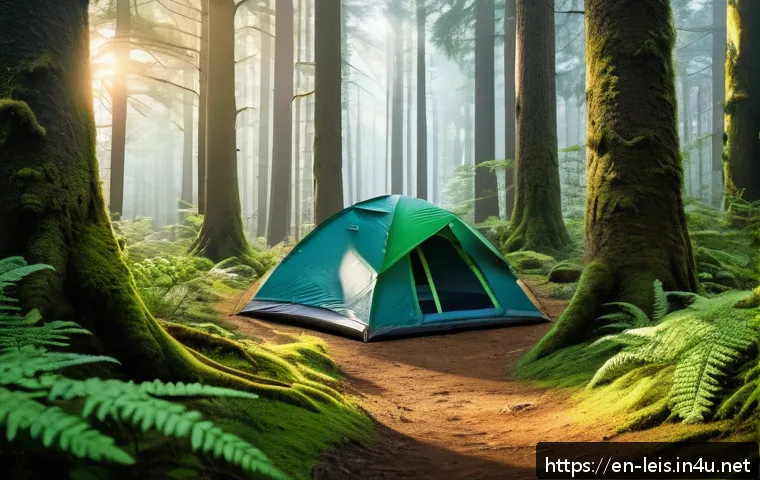
Nature walks and scenic cycling are strong options for travelers who want a low-pressure break. A short route near a town or transit stop may be more practical than an isolated trail. For cycling, confirm route suitability, rental availability if needed, and the possibility of returning before daylight changes. Bring water, basic layers, and a backup plan if weather makes the route uncomfortable.
Water Activities, Climbing, Wellness Facilities, and Hands-On Workshops
Water activities and climbing can create a memorable weekend, but they depend heavily on current conditions and individual skill. Wellness facilities and hands-on workshops may be less weather-sensitive, making them useful alternatives when an outdoor plan is uncertain. For any paid activity, review the provider’s current information on participation requirements, equipment, timing, and cancellation terms before booking.
When Paying for a Guide or Rental Package Adds Real Value
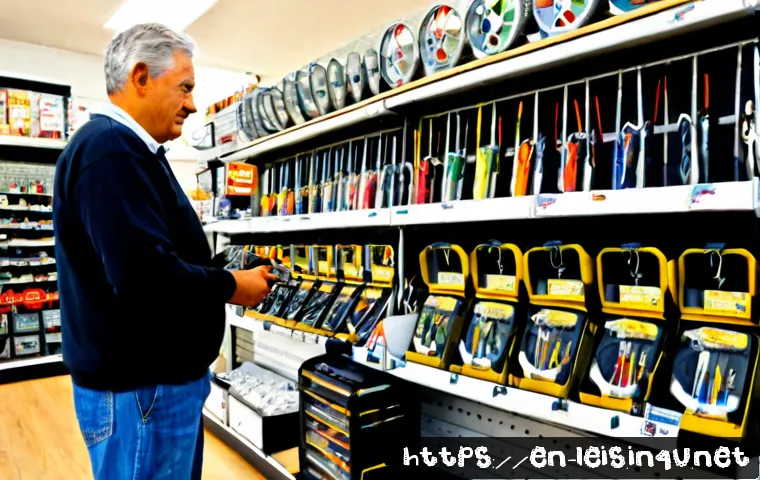
A guide can add value when navigation is unfamiliar, conditions require closer supervision, or you want an introduction to an activity. A rental package can be useful when buying or transporting equipment would be inconvenient. The important question is not whether paid activities are always better; it is whether the package solves a real planning problem. Pay for support that improves access, confidence, or safety—not just for a vague promise of exclusivity.
Avoid Common Planning Mistakes at Lesser-Known Places
Smaller destinations may have fewer services than well-known tourist areas. That can be part of their appeal, but it also means you should plan the practical details before leaving. Check current information close to your travel date because crowd levels, access, and operating conditions can change.
Check Access Routes, Parking, Public Transport, and Return-Trip Timing
Map the full journey, not just the destination name. Confirm where the activity begins, whether parking rules apply, and whether public transport is available when you plan to return. If you rely on a rental vehicle or a shared ride, make sure the pickup and return process fits the location. Remote areas can have limited transport options after regular daytime hours.
Confirm Weather Limits, Equipment Standards, and Cancellation Terms
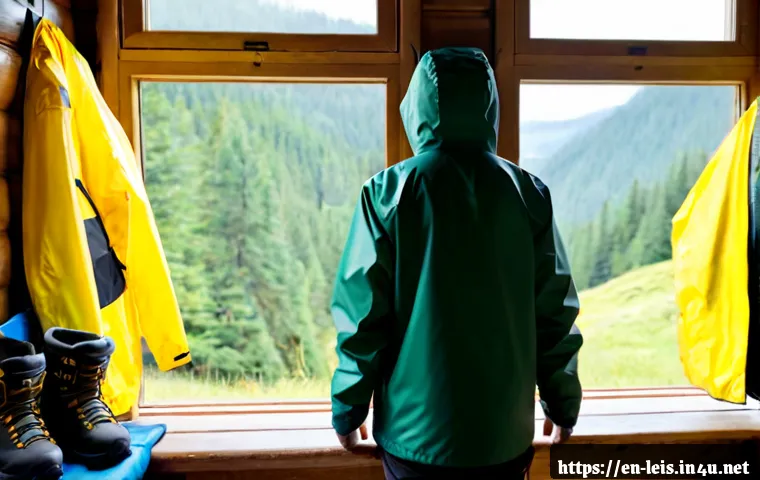
Outdoor suitability depends on weather, trail or water conditions, and your own experience level. If you book a guided session or rental equipment, check the provider’s current weather limits and cancellation policy. Also confirm what equipment is supplied, what you need to bring, and whether the activity may be changed, delayed, or canceled due to conditions.
Plan for Food, Hydration, Mobile Signal, and Basic Safety Needs
Do not assume there will be a café, shop, charging point, or reliable mobile signal nearby. Bring appropriate hydration and food for the length of the outing, especially if local services are limited. Let someone know your general plan when heading to an isolated area, and avoid activities that exceed your experience level. These simple steps matter more at lesser-known places with limited emergency facilities.
Choose by Travel Situation Rather Than Popularity
A useful destination changes with the group, available time, and comfort level. Choosing by situation makes it easier to avoid overspending on activities that do not fit the people going.
Best Approach for a Short Solo Reset
For a solo outing, favor a nearby self-guided option with clear access and a simple return route. A short walk, scenic cycling route, local wellness visit, or workshop can feel restorative without requiring a complex booking plan. Keep the itinerary light and prioritize places where you can leave early if weather or comfort changes.
How Couples and Friends Can Balance Cost With Shared Activities
Couples and small groups often benefit from choosing one paid centerpiece activity and keeping the rest of the day flexible. For example, a rental session or guided experience can be paired with a self-guided walk and a local meal. Compare package details before booking, especially when equipment, transport, or timing may need to be coordinated among several people.
What Families Should Verify Before Committing to a Remote Destination
Families should place comfort and reliability above novelty. Check route length, transport options, food availability, rest areas, weather exposure, and whether the activity is suitable for each participant. Accessibility features, pet policies, and language support may vary, so verify them directly when they affect your plan. A closer destination with dependable facilities may be the better choice.
Selection Criteria and Comparison Summary
Before choosing an underrated leisure spot, compare total travel time, likely spending categories, booking friction, weather sensitivity, available facilities, and your activity experience level. Choose self-guided options when flexibility matters most and you can manage your own route, food, and equipment. Choose paid activities when instruction, rental gear, organized timing, or condition-based support would make the outing easier. For an overnight plan, compare nearby accommodation by location, transport practicality, and how well it fits the activity schedule. Check the official activity, rental, or accommodation page for current conditions and detailed terms before you commit.
In Closing
The best lesser-known leisure destination is one that feels easy to enjoy, not difficult to reach. A thoughtful comparison of access, costs, and activity needs can reveal better weekend options than a crowded trending list. Keep the plan realistic, especially when weather and transport can change. A little preparation helps you spend more of the day relaxing and less of it solving avoidable problems.
Useful Things to Know
1. Popularity can change quickly due to season, weather, social media attention, and local events.
2. Entry rules, parking, rental availability, and reservations can vary by date and venue.
3. Outdoor activities should be matched to current conditions and personal experience.
4. Limited signal, food service, and emergency facilities are possible in less-developed areas.
Important Notes
Exact admission prices, rental rates, operating hours, access rules, and current crowd levels must be confirmed with the relevant venue or provider. This guide does not establish whether a specific location is legally accessible for a particular activity. Check local notices, current weather, route conditions, and provider terms before traveling or booking.
Frequently Asked Questions
Q1. How can I find hidden leisure spots near me without ending up somewhere unsafe or inaccessible?
A1. Begin with places that have a clear access route and a realistic return plan. Verify current access, parking or public transport, weather conditions, and any activity restrictions through official or local information. Avoid assuming that a place mentioned online is open, suitable, or legally accessible for your intended activity.
Q2. Are guided activities and equipment rentals worth the added cost for a weekend trip?
A2. They can be worthwhile when they provide equipment you do not own, instruction you need, or an easier way to participate safely. Compare what the activity booking or rental package includes, what you must bring, and what happens if weather changes. For a simple walk or scenic stop, a self-guided plan may offer better flexibility.
Q3. What should I compare before booking a lesser-known outdoor activity or local stay?
A3. Compare travel time, transport options, spending categories, booking requirements, cancellation terms, weather dependency, equipment details, and nearby services. For local stays, also check the distance to the activity and whether the area remains practical for food, parking, and return travel.