Buy fishing gear with fewer costly mistakes. Learn how to match rods, reels, line, tackle, and safety essentials to freshwater or saltwater fishing, your target species, and a realistic budget.
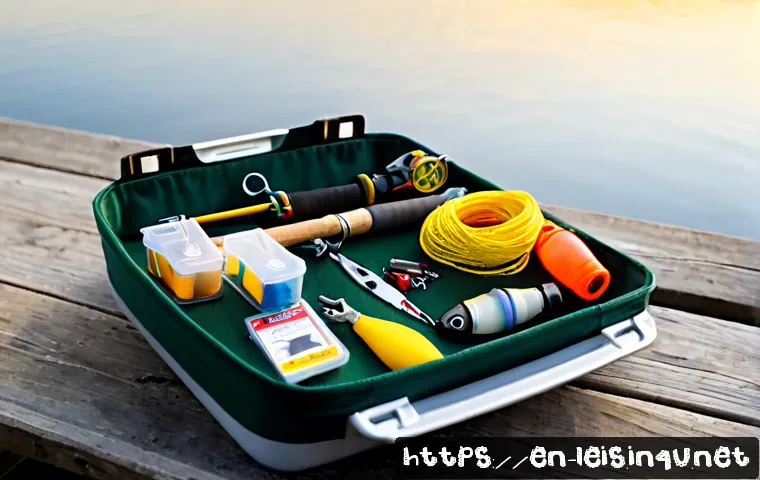
Choose fishing gear by target species, water type, and total setup budget before comparing brands. For many beginners, a spinning rod-and-reel combo is a practical starting point for versatile freshwater fishing.
Start with where you will fish—pond, river, lake, inshore coast, surf, or boat—and whether you plan to use bait, lures, or both. Then compare rod-and-reel combos, separate components, tackle bundles, warranty coverage, and return policies based on the setup you actually need. The goal is not to buy the most gear. It is to buy compatible gear that is manageable, legal to use locally, and suitable for the conditions you expect.
At a Glance
- Choose rod length, power, and action around your target fish, bait or lure weight, and fishing environment.
- A spinning setup is commonly a versatile, beginner-friendly option for freshwater fishing.
- For saltwater use, prioritize corrosion-resistant components and rinse gear with freshwater after exposure.
| Setup Type | Best Use | Trade-Offs | Budget Consideration |
|---|---|---|---|
| Starter rod-and-reel combo | First-time freshwater anglers who want a simple setup | Less ability to tailor each component | Compare included reel, rod specifications, and what tackle is still needed |
| Separate rod and reel | Anglers matching gear to a specific technique or target species | Requires more compatibility checks before purchase | Review the total cost of rod, reel, line, and replacement parts |
| Saltwater-ready setup | Inshore or coastal fishing where gear may be exposed to saltwater | Needs more consistent cleaning and corrosion attention | Check component materials, care requirements, and warranty terms |
Start With the Fish, Water, and Technique You Plan to Use
The most useful fishing gear purchase begins with a simple question: what will you fish for, and where? A setup that feels right at a small freshwater pond may not suit surf fishing or a coastal boat trip. Brand popularity should come after this basic fit check.
Choose Between Freshwater, Inshore Saltwater, Surf, or Boat Fishing
Freshwater fishing often calls for versatile gear that is comfortable to cast repeatedly. Inshore saltwater, surf, and boat fishing can expose equipment to saltwater and different casting demands. Saltwater exposure can accelerate corrosion, so check whether the rod, reel, guides, and other components are intended for that environment. Plan to rinse saltwater gear with freshwater after use.
Match Gear Capacity to Common Target Species
Your target species affects the rod’s power, the reel’s capacity, the line choice, and the size of terminal tackle. Rather than choosing a rod because it looks strong, check its stated lure or bait range and compare it with the approach you plan to use. A mismatch can make casting and fish control more difficult.
Decide Whether Bait Fishing, Lure Fishing, or Both Is the Priority
Bait fishing and lure fishing can place different demands on your setup. Lure fishing may involve frequent casting, while bait fishing may put more focus on the right hooks, weights, and line for the conditions. If you expect to do both, choose a versatile setup first and avoid buying highly specialized tackle until you know which technique you enjoy.
Build a Practical Setup Before Comparing Brands
A practical setup is a system, not just a rod and a reel. The rod, reel, line, hooks, weights, and lures should work together. Check the product specifications rather than assuming that any reel or line will suit any rod.
Rod Length, Power, and Action Explained in Buying Terms
Rod length, power, and action should match the target species, fishing environment, and lure or bait weight. These terms are buying criteria, not marketing extras. When comparing fishing rods, look for the manufacturer’s stated ratings and consider how you will transport the rod as well as how you will use it.
Spinning Reel Versus Baitcasting Reel: Which Suits Your Experience?
Spinning setups are commonly used for versatile freshwater fishing and are often easier for beginners to manage than baitcasting setups. That makes a spinning rod-and-reel combo a sensible starting comparison for many new anglers. A baitcasting setup may suit anglers who already prefer that casting style, but personal casting preference matters. If possible, handle both types before buying.
Select Line, Hooks, Weights, and Lures That Work Together
Fishing line affects casting, abrasion resistance, stretch, and visibility. Choose line according to the technique and conditions, then confirm that it is appropriate for the reel and rod specifications. Hooks, weights, and lures should also suit the bait or presentation you plan to use. A large tackle bundle is not automatically better value if much of it will remain unused.
Compare Gear Packages, Individual Components, and Total Cost
Price comparison should cover the whole setup, not only the rod or reel listed first. Include line, terminal tackle, storage, maintenance supplies, and future replacement line in your decision. Exact prices, discounts, return windows, and warranty terms vary by retailer and product, so verify current details before checkout.
When a Rod-and-Reel Combo Offers Better Value
A rod-and-reel combo can simplify a first purchase because the main components are already paired. It can reduce guesswork for an occasional angler or a beginner building a basic freshwater kit. Before choosing one, check the rod’s ratings, reel type, included line if any, and whether the combo fits your planned water and technique.
When Buying a Rod and Reel Separately Is Worth the Extra Cost
Buying separately offers more tailored performance when you have a clear need for a certain rod feel, reel capacity, line choice, or fishing technique. It also requires a more careful compatibility review. Compare the full cost and check whether replacement parts, service information, and product support are available for each component.
Budget for Essential Tackle, Storage, Maintenance, and Replacement Line
Separate must-have gear from upgrades. Core items may include a suitable rod and reel, line, hooks, weights, and bait or lures appropriate to your method. Storage, maintenance items, and replacement line are easy to overlook. Specialty accessories can wait until your fishing habits make their value clearer.
Avoid Costly Equipment Mistakes Before Checkout
A careful product-page review can prevent an unsuitable purchase. Focus on compatibility, care requirements, retailer policies, and local rules instead of relying only on a product title or bundle description.
Check Rod, Reel, and Line Compatibility
Confirm that the rod’s intended range aligns with your lure or bait weight, that the reel suits the rod type, and that the selected line matches the intended technique and conditions. Read the current specifications for every item in the cart. Do not assume pre-spooled line or included tackle is the right match for your local water.
Do Not Overlook Saltwater Corrosion Protection and Rinse-Down Needs
Saltwater can accelerate corrosion. If you fish inshore, from a boat, or along the coast, look for corrosion-resistant components and follow the care guidance provided by the manufacturer. Freshwater rinsing after saltwater exposure is an important part of protecting gear.

Review Warranty, Return Policy, Spare Parts, and Transport Needs
Before buying, compare the retailer’s current warranty information, return policy, and replacement-part availability. Check the product listing for care requirements and any conditions that may affect returns. Also consider rod length during transport and storage; a setup that is difficult to carry may be used less often.
Choose Equipment for Your Fishing Situation
The best fishing gear is situational. A simple, well-matched setup can be more useful than a large collection of mismatched components.
A Simple First Setup for Ponds, Lakes, and Rivers
For many freshwater beginners, a spinning setup offers a versatile entry point. Match the rod and line to the fish you expect to pursue, the lures or bait you will use, and the water conditions. Add only the hooks, weights, lures, and storage you need for the first few outings.
What Changes for Inshore and Coastal Saltwater Fishing
For saltwater, corrosion resistance and maintenance become major buying factors. Review whether every main component is suitable for saltwater exposure, not just the reel. Build freshwater rinsing into your post-trip routine and check local rules for the species, bait, hook restrictions, and restricted waters.
Gear Priorities for Occasional Anglers Versus Frequent Anglers
Occasional anglers may value a straightforward combo, easy storage, and a manageable amount of tackle. Frequent anglers may benefit from separately selected components after they understand their preferred casting style and technique. In either case, durability cannot be assumed; review current specifications, care guidance, and independent user feedback.
Selection Criteria and Comparison Summary
Before placing an order, compare these points: fit for species and water, rod-reel-line compatibility, saltwater suitability, the full cost of required tackle and replacements, and the retailer’s current warranty and return terms. Confirm whether you can obtain replacement line or parts without replacing the whole setup. Check local fishing license requirements and regulations for seasons, size limits, catch limits, hooks, bait, and restricted waters. For warranty details, return conditions, and product specifications, review the relevant retailer or manufacturer page before purchasing.
The Final Checklist: Fit, Durability, Maintenance, and Budget
- Does the setup match your target species, water type, and fishing method?
- Are the rod, reel, line, and terminal tackle compatible?
- Is the equipment appropriate for saltwater exposure if needed?
- Have you compared total cost, warranty coverage, return policy, and replacement needs?
- Can you transport, store, and maintain the equipment realistically?
When to Buy Entry-Level Gear, Upgrade Components, or Seek Local Tackle-Shop Advice
Choose entry-level gear when you need a simple, versatile starting setup and are still learning your preferences. Upgrade individual components when a specific limitation becomes clear, such as a need for a different technique or environment. Local tackle-shop advice can be especially useful when target species, water conditions, or local regulations are unfamiliar.
In Closing
Buying fishing gear becomes easier when the decision starts with the fish, water, and technique rather than a brand name. A compatible setup helps avoid unnecessary purchases and makes early trips less complicated. Compare combos and separate components on total value, not just the initial product price. Finally, check local licensing and fishing rules before heading out.
Useful Information to Know
License requirements: A fishing license may be required depending on the jurisdiction, species, location, and angler age.
Local rules: Regulations may set limits for seasons, fish size, number kept, hooks, bait, and restricted waters.
Care matters: Saltwater gear should be rinsed with freshwater after exposure to help manage corrosion risk.
Important Notes
There is no single best fishing setup for every angler. Current prices, sale offers, warranty terms, return windows, product durability, and performance vary by retailer and model. Always verify current specifications, maintenance requirements, independent feedback, and local regulations before making a purchase or fishing a new location.
Frequently Asked Questions
Q1. How much should a beginner spend on fishing gear?
A1. Start with a realistic total budget for a suitable rod and reel, line, essential tackle, storage, and replacement needs. A simple spinning combo can simplify a first purchase, but compare what is included and what must still be bought separately. Exact prices vary by retailer and product.
Q2. Is a rod-and-reel combo better than buying a rod and reel separately?
A2. A combo can be better for a first setup because it reduces component-matching decisions. Buying separately can be worthwhile when you need gear tailored to a specific target species, technique, or fishing environment. Compare compatibility, warranty terms, return policy, and replacement costs in either case.
Q3. What fishing gear is safe to use in saltwater?
A3. Look for gear with corrosion-resistant components that is intended for saltwater conditions, then follow the stated care requirements. Saltwater exposure can accelerate corrosion, so rinse the gear with freshwater afterward. Check local regulations and product specifications before using any setup in coastal or inshore water.